
Last updated November 2, 2026
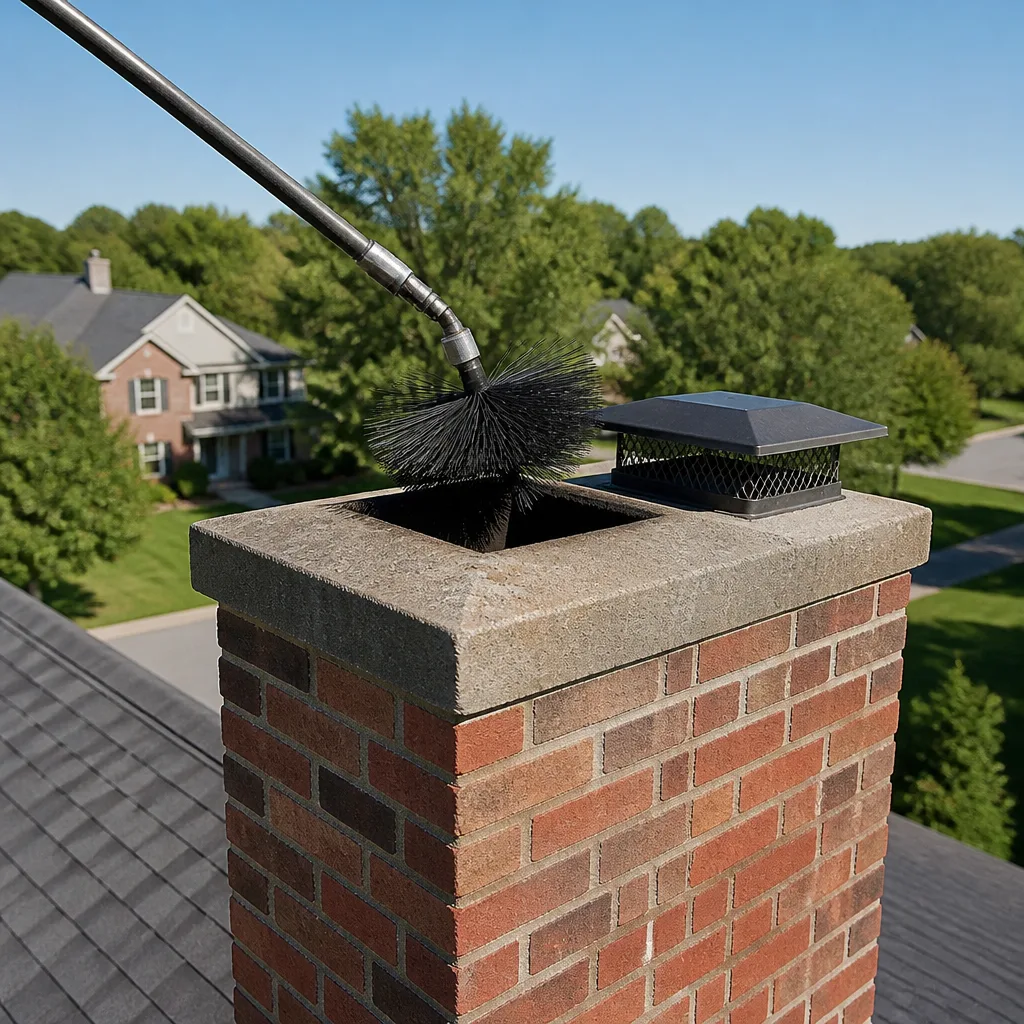 Sweep & inspection
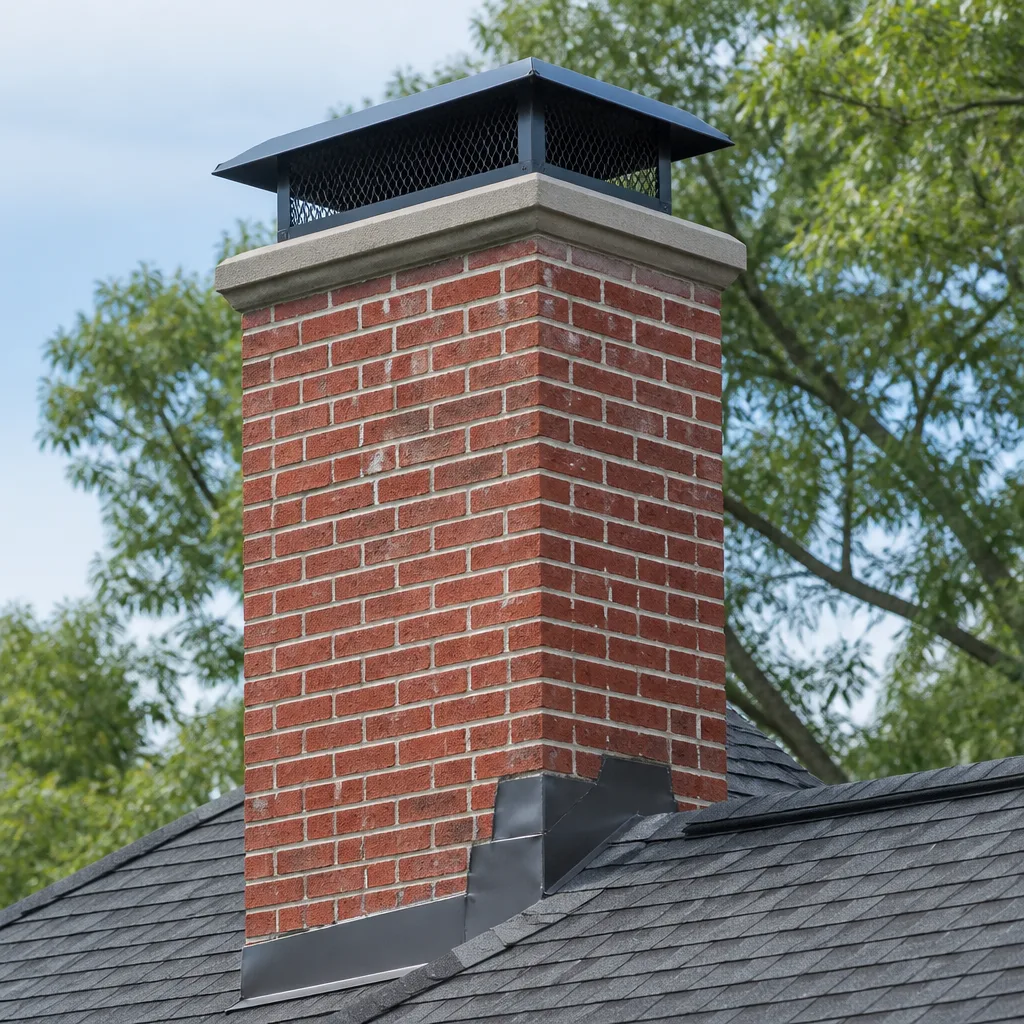 Caps & crowns
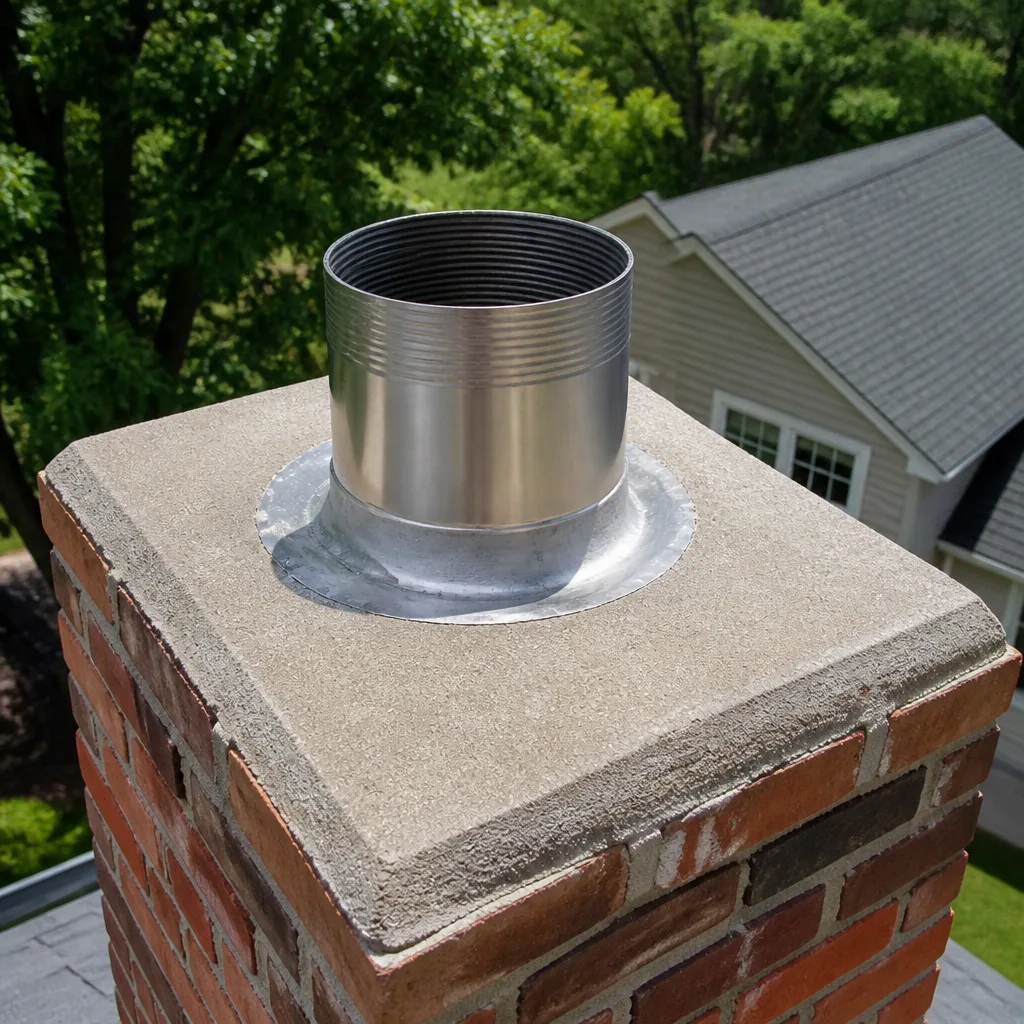 Flue relining
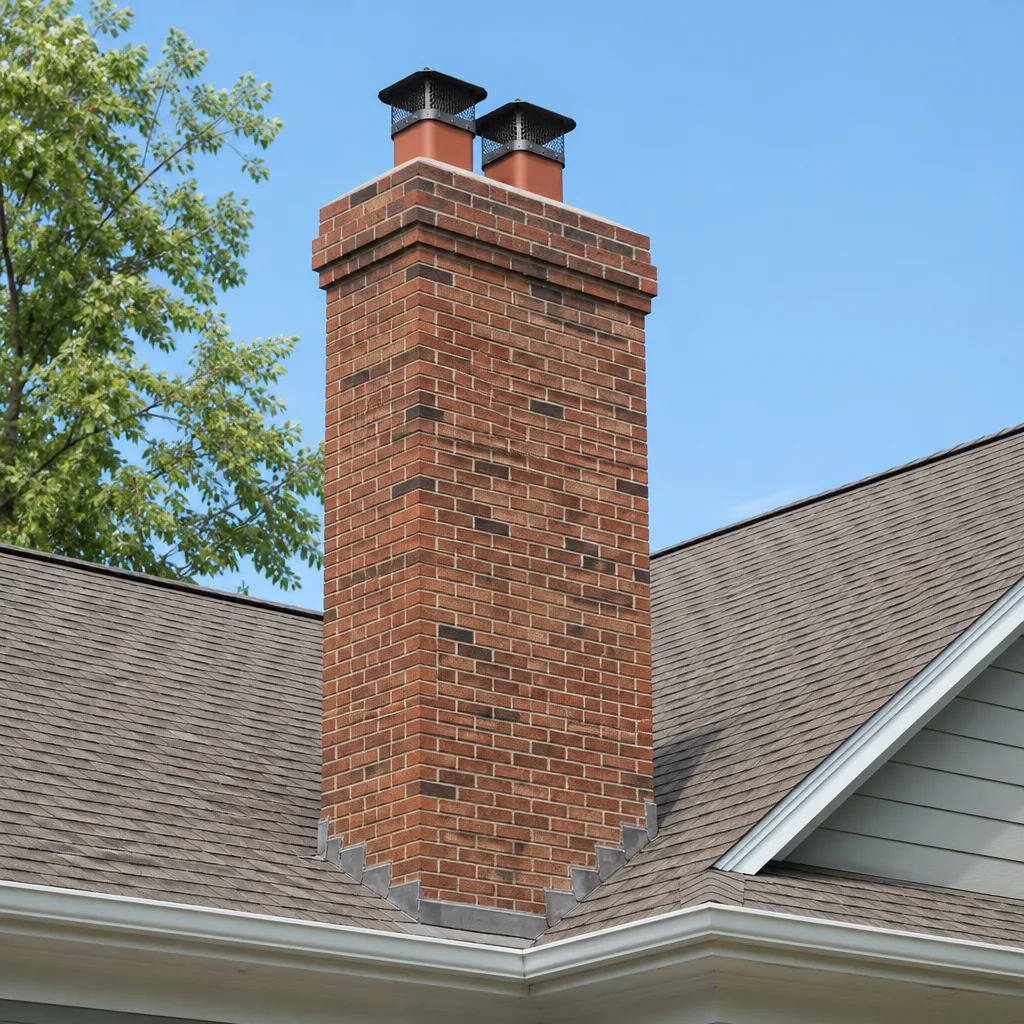 Masonry repair
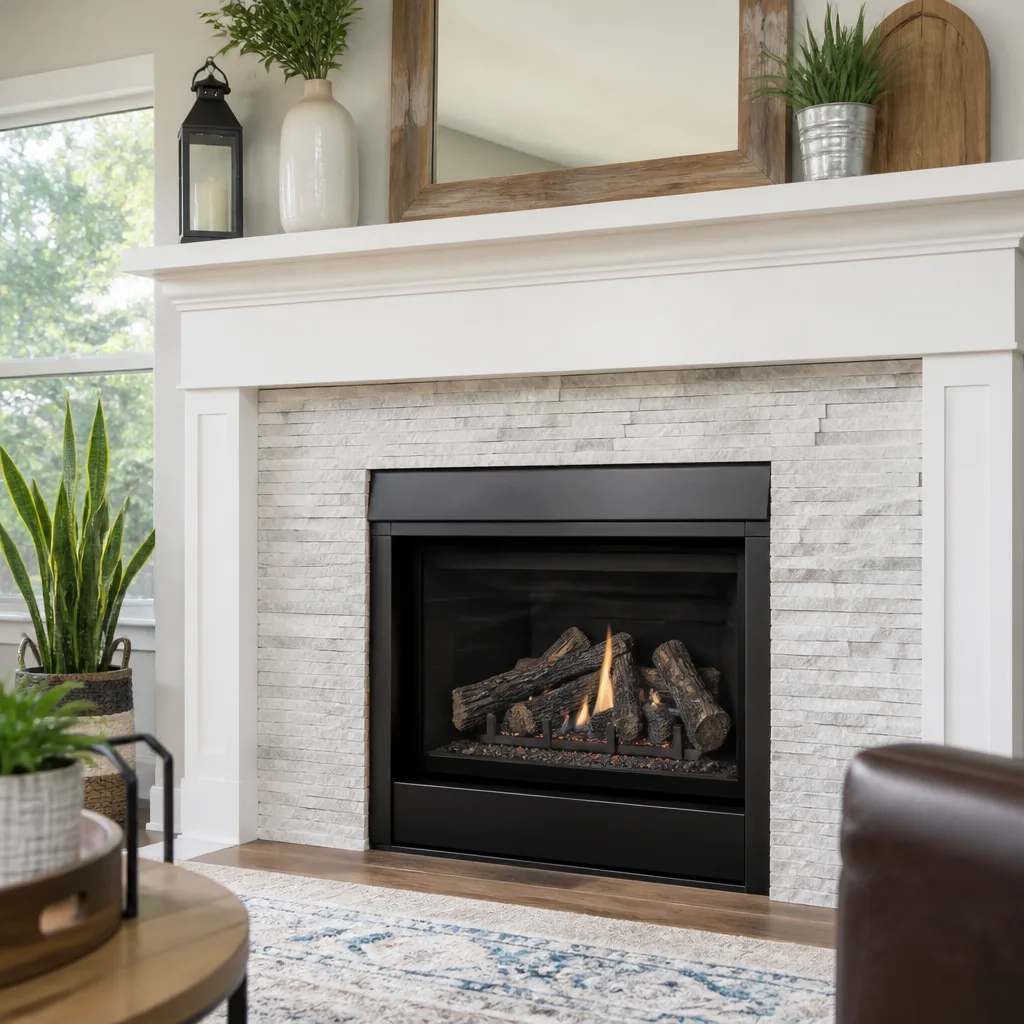 Gas fireplace service
Level 1 sweep and inspection to the NFPA 211 annual standard - flue, crown, cap, and flashing checked and photographed
Chimney sweep logs do not sweep chimneys. They loosen some creosote - which then falls where a brush and vacuum still have to collect it.
DIY vs Professional Chimney Cleaning: The Montecito Heights Homeowner’s Decision Guide
Here’s something most chimney cleaning guides won’t tell you: the brushes aren’t the hard part. Any homeowner in Montecito Heights can order a wire chimney brush online for forty bucks, run it up and down the flue a few times, and watch a satisfying cloud of soot fall into the firebox. The problem is that a proper chimney cleaning is only about 30% brushing. The other 70% is inspection, assessment, and catching problems before they become fires. You can’t see a cracked flue tile from the bottom of your fireplace. You can’t assess stage 3 creosote adhesion with a flashlight and optimism. This guide gives you the straight answer on what’s safe to do yourself, what isn’t, and where the real risks hide in Montecito Heights homes specifically. For how to hire a chimney cleaning contractor in Montecito Heights, see our step-by-step guide.
Styles & brands we work with
- Sweep & inspection
- Caps & crowns
- Flue relining
- Masonry repair
- Gas fireplace service
Quick Answer
DIY chimney cleaning in Montecito Heights is only advisable for light stage 1 creosote buildup in a flue you’ve had professionally inspected within the last 12 months. For anything more than a thin, dusty layer of soot, a professional sweep is the safer choice. The reason isn’t skill. It’s that professional cleaning includes the inspection that catches cracked liners, deteriorated mortar, and creosote accumulation patterns you can’t see from inside the firebox. For most Montecito Heights homeowners, the math works out to this: do the simple maintenance yourself, and call a professional for the actual cleaning.
Table of Contents
- What DIY Chimney Brushing Actually Removes (and What It Misses)
- The Three Stages of Creosote: Why Stage 2 and 3 Don’t Brush Off
- Specific Risks of DIY Cleaning in Older Montecito Heights Homes
- What Homeowners Can Legitimately Do Between Professional Cleanings
- The Equipment Math: What a Real DIY Setup Costs vs. a Professional Sweep
- The Liability Question: Insurance Claims After a Self-Performed Cleaning
- Common Mistakes to Avoid
- When to Call a Professional
- Frequently Asked Questions
- The Bottom Line
What DIY Chimney Brushing Actually Removes (and What It Misses)
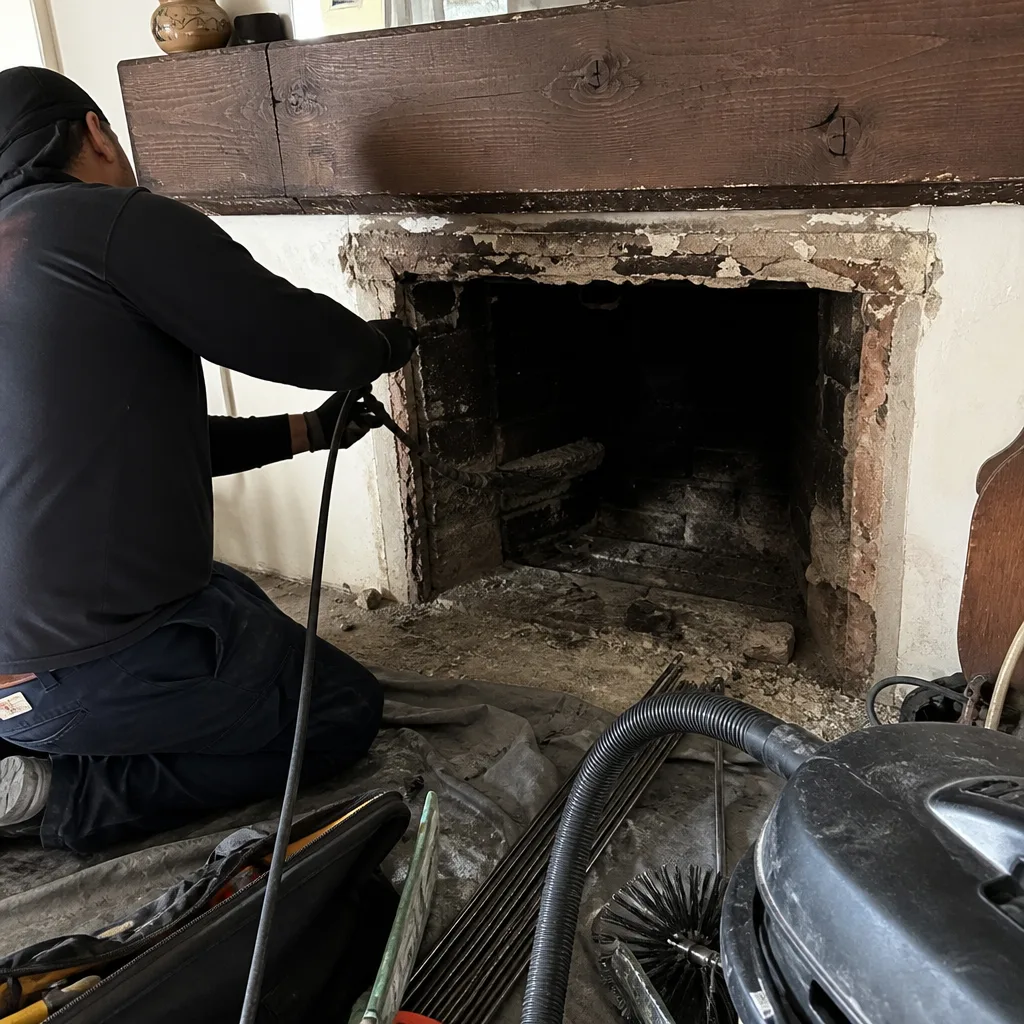
A wire chimney brush run up and down a flue does exactly one thing well: it knocks loose the dry, powdery soot that clings lightly to flue walls. That’s stage 1 creosote, and in a chimney that’s been cleaned within the last year, it’s often the only thing present. If your fireplace burns seasoned hardwood, you don’t over-fire the stove, and you had a professional sweep last season, a DIY brushing might be all you need between appointments. We’ve helped plenty of Montecito Heights homeowners understand this exact distinction: brushing maintains a clean chimney; it doesn’t restore a dirty one.
What a brush does not do is remove the tar-like glaze that forms when creosote has baked onto the flue. Stage 2 creosote is sticky and flaky. Stage 3 is a hard, shiny glaze that’s closer to tar than soot. Both require treatment a brush can’t deliver. In our experience with chimney sweeping in Montecito Heights, homeowners who try to brush a stage 2 flue typically end up frustrated, covered in soot, and with a fireplace that still smells like a campfire. Worse, they think the job is done because the brush came back dirty. The fire risk remains.
There’s also the matter of what brushing can’t reach. Your chimney is more than one vertical tube. The smoke chamber, a trapezoidal space above the damper and below the flue, is notoriously hard to access without the right tools and often collects creosote that a straight brush never touches. The smoke shelf, that flat area just above the damper, does the same. A DIY brushing from the bottom addresses the flue itself. That’s it. The other surfaces keep doing what they do, and the accumulation continues.
The Three Stages of Creosote: Why Stage 2 and 3 Don’t Brush Off
Creosote isn’t one material. It’s a scale of three distinct formations, and each one responds differently to mechanical cleaning. Understanding the difference is the single most useful piece of knowledge for deciding between DIY and professional service.
Stage 1 creosote is a fine, dusty, dark powder. It forms from efficient burns with plenty of air. This is the only stage a brush reliably removes. If you can see a thin layer of black dust you can wipe off with a finger, that’s stage 1, and it’s the territory where light DIY maintenance makes sense.
Stage 2 creosote is the result of incomplete combustion. It’s not powder anymore. It’s a granular, flaky substance that looks like thin, dry cornflakes sticking to the flue wall. It has structure, and it resists brushing. A wire brush will skip across it without dislodging much. This is the point where most DIY attempts fail and why professional-grade rotary cleaning tools exist.
Stage 3 creosote is a dense, hard glaze. It looks like shiny black tar and forms when the flue temperature fluctuates dramatically. It’s extremely difficult to remove even with professional equipment, often requiring chemical treatment or mechanical grinding. If you burn unseasoned wood or a lot of manufactured logs, you’re at higher risk for stage 3 formation. No brush from a hardware store is touching it.
In Montecito Heights, the mild winter climate creates a particular creosote pattern. Because homeowners burn fires on cooler evenings but don’t always get a strong draft going, flue temperatures can stay in the range that encourages stage 2 formation. The heat isn’t high enough to burn off residue, but it’s warm enough to bake it on.
Specific Risks of DIY Cleaning in Older Montecito Heights Homes
Montecito Heights has a housing stock that skews older. Many homes in the area were built between the 1920s and 1960s, and their chimneys often have clay tile liners that have been in place for half a century or more. This matters for one specific reason: old clay tiles can already be cracked. The crack may not be visible from the firebox, and the homeowner may never have known it was there. When you run a wire brush up a flue with a cracked liner, the brush can catch on the tile edge and chip it further, or knock a piece loose entirely. Now there’s a void in the liner, opening a direct path for heat to reach combustible framing. That’s how chimney fires start, and it’s a scenario we’ve seen regularly in older homes around Montecito Heights.
There’s also the question of appliance configuration. Many of these older homes have had their heating systems altered over the decades. A chimney that was originally built for a fireplace may now vent a furnace or water heater. Some chimneys vent both. If you’re brushing a flue you don’t fully understand, you may be agitating combustion byproducts in a system that was never meant to be brushed in that way. A professional sweep identifies which flues are in active use, which are orphaned, and what’s actually running through each one. That’s information a brush doesn’t give you.
And then there’s the simple truth that an older chimney has more places for creosote to hide. Mortar joints degrade over time. Gaps form between tiles. These are exactly the places where creosote collects and where a straight brush passes right over. A professional inspection includes looking at these joints, which is where the real fire risk accumulates in Montecito Heights’s older construction.
What Homeowners Can Legitimately Do Between Professional Cleanings
None of this means you should keep your hands off your chimney entirely. There’s a meaningful set of maintenance tasks that are safe and useful for a well-informed Montecito Heights homeowner. Here’s a clear list of what you can do between professional cleanings:
- Ash removal. Remove ashes when they pile up more than about two inches deep in the firebox. Use a metal container with a lid, and leave it outside away from the house for several days before disposal. In a dry, windy Montecito Heights summer, this precaution matters. Embers can smolder for days.
- Damper checks. Open and close your damper a few times each season. If it sticks or doesn’t seal, that affects both chimney performance and indoor air quality. You can identify the problem; a professional can fix it.
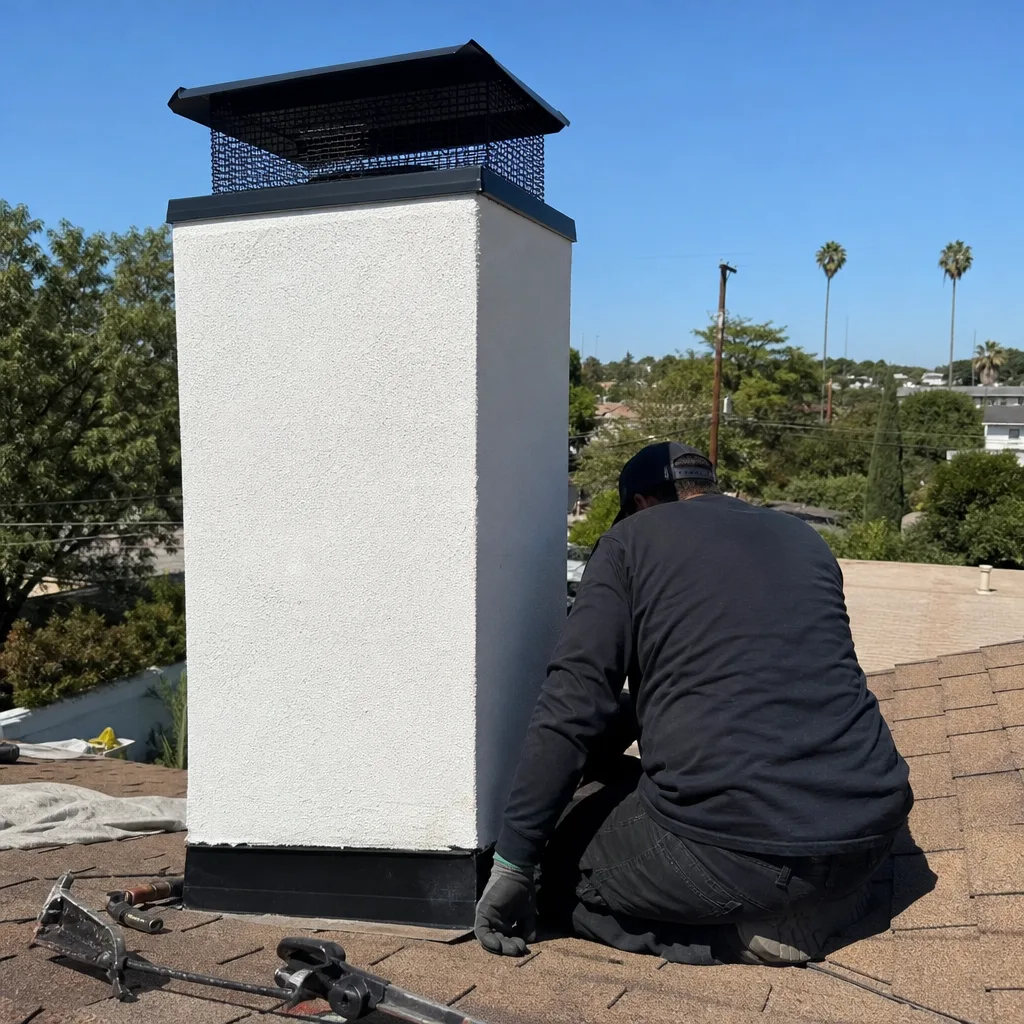
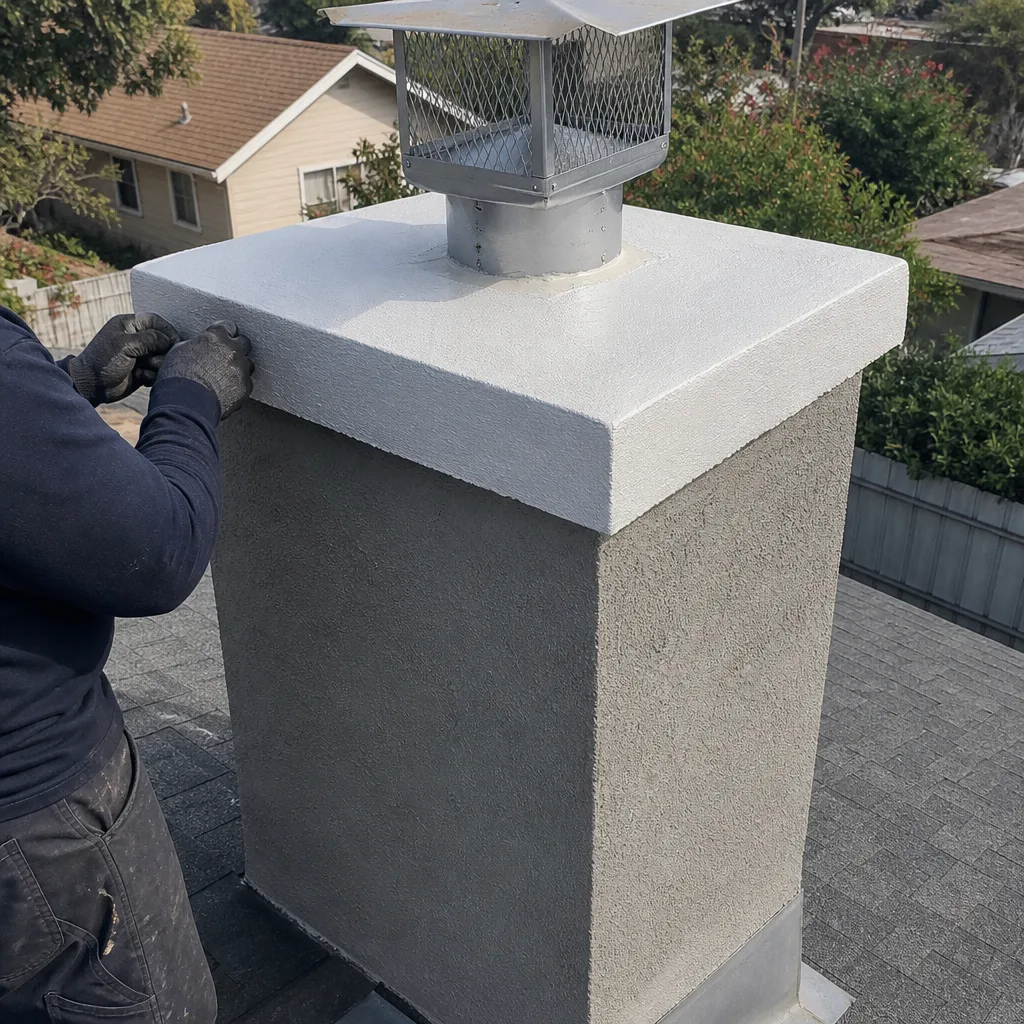
- Chimney cap visual inspection. From the ground, with binoculars, look at the cap and crown. Is the cap still in place? Is the crown cracked or spalling? You don’t need to get on the roof to see obvious issues.
- Burn quality monitoring. Watch for glass doors that fog abnormally, excessive smoke, or a fire that’s hard to start. These are symptoms of draft problems worth mentioning when you schedule your next professional cleaning.
- Seasonal awareness. In Montecito Heights, the post-Santa-Ana-wind period is a smart time to check for debris on the roof and around the chimney. Wind-driven branches can damage caps and crowns.
The key line is simple: you can manage what you can see and what doesn’t involve climbing on a roof. Anything that requires touching the flue interior or standing on the roof is better left to someone with proper equipment and fall protection. It’s not gatekeeping; it’s that the risk-reward math changes quickly when the alternative is a hospital visit.
The Equipment Math: What a Real DIY Setup Costs vs. a Professional Sweep
Let’s actually run the numbers, because most DIY-versus-professional articles skip this. A proper DIY chimney cleaning setup includes more than a brush. You need the brush sized for your flue, fiberglass or steel rods to extend it, a tarp or drop cloth to contain the mess in the room, a shop vacuum with a HEPA filter (regular vacs blow the fine soot right back into your house), safety glasses, a dust mask or respirator, and ideally a chimney inspection mirror. That’s a realistic outlay of $150 to $250 for functional equipment, not counting the time you’ll spend.
A professional chimney sweep service in the Montecito Heights area typically runs in the $180 to $350 range, depending on the chimney’s condition, level of creosote, and whether any additional components like a furnace flue are included in the service. For full details, see our chimney cleaning cost breakdown for Montecito Heights homeowners. The comparison isn’t just about the dollar figure. It’s about what the dollar buys. Your $250 DIY setup gets you equipment you’ll store in the garage and use once a year, plus the sweat equity of a dirty, awkward job. The professional service includes the sweeping, the inspection, the cleanup, and a set of trained eyes on the most fire-critical system in your home.
The math tilts further when you account for what happens if something is found. Your DIY setup can’t tell you that your liner has a crack forming. A professional can. And finding that early is the difference between a chimney repair in Montecito Heights that costs a few hundred dollars and a full rebuild that costs thousands. So the real question isn’t “should I clean my own chimney?” It’s “what’s the cost of cleaning my own chimney and missing the problem a professional would have found?” That’s the math nobody does.
The Liability Question: Insurance Claims After a Self-Performed Cleaning
This is the part most guides won’t touch. Here’s the honest answer: homeowners insurance policies generally cover chimney fires as a sudden and accidental event, even if the homeowner performed their own cleaning. You won’t automatically lose your coverage because you brushed your own flue. However, the claim process becomes significantly more complicated when there’s no professional inspection record.
Here’s how it plays out in practice. After a chimney fire, the insurer sends an adjuster. The adjuster’s job is to determine the cause. If the cause is determined to be neglect, meaning creosote accumulation that was allowed to reach dangerous levels, the insurer may deny the claim on the basis that the homeowner failed to maintain the property. Your defense in that situation is evidence. If you have a receipt from a professional cleaning within the last 12 months, you have documented maintenance. If you cleaned it yourself, you have no receipt, no inspection record, and no third-party verification that the chimney was actually safe. The burden falls entirely on you to prove you did it correctly.
There’s also the question of what a professional inspection provides beyond the cleaning. A professional chimney sweep documents the chimney’s condition at a point in time. If a fire occurs later, that record establishes that the chimney was in safe operating condition as of the last service. That’s evidence in your favor. No DIY job provides it. For a homeowner in Montecito Heights who’s just experienced a chimney fire, that documentation can be the difference between a covered claim and a personal financial crisis.
Common Mistakes to Avoid
- Thinking a clean brush means a clean chimney. The brush came back black, so the flue must be clean, right? Wrong. Hitting stage 2 creosote with a wire brush will blacken the brush while leaving the deposit largely intact. You can’t measure success by how dirty the tool gets.
- Using a regular shop vacuum. Standard shop vacs don’t filter the fine particles chimney cleaning creates. They blow it into the room. You need a HEPA filter, and most homeowners don’t have one. Breathing creosote dust isn’t a minor irritant, and in an older Montecito Heights home with potential lead dust mixed in, it’s a genuine health risk.
- Brushing an unknown flue. If you don’t know what’s venting through that chimney, you shouldn’t be brushing it. Homes in Montecito Heights frequently have multiple appliances sharing a flue, and disturbing the wrong one creates a carbon monoxide hazard.
- Ignoring the roof access problem. Top-down cleaning requires being on the roof. A steep pitch on an older Montecito Heights roof with no fall protection is not the place to learn. The hospital bill will exceed any cleaning savings many times over.
- Treating creosote removal as a seasonal preference. It’s not. Accumulation is a function of burn volume and fuel quality. Waiting “until it looks bad” means waiting until it’s already dangerous. Inspection reveals accumulation before it becomes visible from below.
- Buying the cheapest brush that fits. A poorly sized brush either misses deposits or wedges in the flue. Both outcomes are bad, and a stuck brush assembly in an older chimney can cause damage that requires professional repair.
- Overlooking the dryer vent. This may feel like a tangent, but it’s the same logic. The leading cause of dryer fires is lint accumulation in the vent, which is the same mechanical problem as creosote: material builds up where you can’t see it. Ironwood Chimney Sweep handles dryer vent cleaning in Montecito Heights for exactly this reason. The fire hazard most people ignore and the one they see in the living room are managed by the same discipline.
When to Call a Professional
Some situations don’t have a meaningful DIY alternative. If you see glossy, tar-like deposits inside your flue, that’s stage 3 creosote and it requires professional treatment. If you notice crumbling mortar, cracked tiles, or debris falling into the firebox when you use the fireplace, stop using it and schedule an assessment. If you’ve just bought your Montecito Heights home and don’t know its chimney history, the first cleaning should be professional. If you can’t get the damper to seal properly or the fireplace drafts faintly even when closed, those are symptoms of a system problem, not a cleanliness problem. And if your chimney hasn’t been professionally inspected in over two years, the inspection is overdue regardless of how often you burn. Ironwood Chimney Sweep offers free estimates throughout the Montecito Heights area. Call (866) 282-3944 to schedule one.
Frequently Asked Questions
Yes, the recommendation to clean annually is based on time and material accumulation, not just burn volume. Even occasional fires in Montecito Heights, particularly with the area’s mild climate patterns that create moderate flue temperatures, can deposit stage 2 creosote over the course of a season. The fewer fires you burn, the less accumulation, which means you may be able to extend the interval slightly, but the inspection component remains important because chimneys degrade even when unused. It’s not just creosote in the flue, but moisture intrusion, cracked caps, and animal nests that a professional identifies.
You can attempt it, but the risk profile depends entirely on what stage of creosote you have and what condition your liner is in. If you’ve had a professional inspection within the last year and know you have only stage 1 creosote, a do-it-yourself brushing is reasonable. If you don’t know the liner condition or you burn unseasoned wood, you’re brushing blind. The brush may remove some material while missing the deposits that actually matter. In an older Montecito Heights home, you’re also risking liner damage if the brush catches on a cracked tile.
A standard chimney sweep in the Montecito Heights area typically runs between $180 and $350, depending on the chimney’s size, the level of creosote accumulation, and whether additional flues or appliances are being serviced. Additional work, such as a liner inspection with a camera, may add to the total. The most accurate way to get a number for your specific chimney is to schedule a free estimate with a professional who can assess the chimney’s actual condition. Call (866) 282-3944 for a no-obligation quote from Ironwood Chimney Sweep.
Creosote continues to accumulate until it either restricts the draft, drops debris into the firebox, or ignites. The ignition threshold for stage 3 creosote is significantly lower than most homeowners realize, and a chimney fire can burn hot enough to crack a liner and threaten the surrounding framing. Even if the fire doesn’t happen, restricted airflow means smoke spilling into the living space and reduced heating efficiency. The risk is not hypothetical, and the accumulation compounds over time, making the eventual cleaning more difficult and more expensive.
Ironwood Chimney Sweep stocks and installs materials from recognized industry manufacturers including Olympia Chimney, DuraFlex, and Copperfield. Our repair approach means using purpose-built systems for the chimney’s specific needs, not improvised materials from a big-box store. For liner replacement or resurfacing, we work with HeatShield and DuraFlex systems because they’re engineered for the temperatures and chemical conditions your flue actually experiences. The benefit is that repairs are done once, correctly, with materials designed to outlast the cheaper alternatives.
We handle the full venting safety picture, which includes chimney sweeping, chimney repair, and dryer vent cleaning. The logic is simple: your chimney and your dryer vent are both fire hazards if ignored, and they’re both venting systems. Many Montecito Heights homeowners call us for their chimney and then realize nobody has inspected their dryer vent in years. One call covers both. Our use of Famco products extends into dryer vent systems specifically, which is a category most chimney companies don’t even address.
The Bottom Line
The DIY chimney cleaning question solves itself when you separate cleaning from inspection. You can handle basic maintenance tasks: ash removal, damper checks, visual cap inspections. You can even do a light brushing if you’ve had a recent professional inspection and you know your creosote situation. What you cannot do from inside the firebox is assess the condition of your liner, the integrity of your mortar joints, or the accumulation in your smoke chamber. A professional sweep includes that assessment, and it’s the reason the cost is justified. For Montecito Heights homeowners with older homes and real fire safety concerns, the path forward is clear: handle the simple stuff yourself, and leave the actual chimney cleaning to someone who can see what you can’t. Explore more guides & resources on keeping your home safe.
Written by the team at Ironwood Chimney Sweep, serving Montecito Heights since 2013.
See the difference
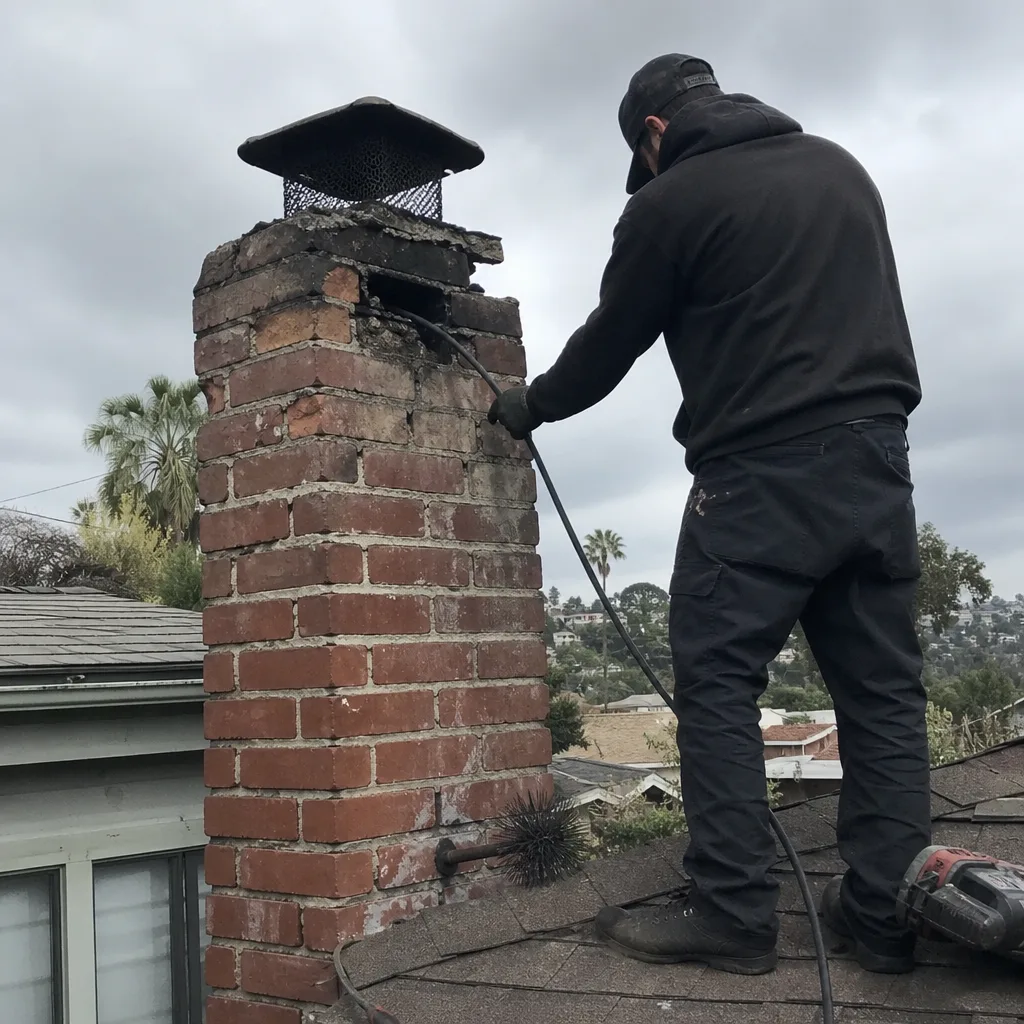 Before
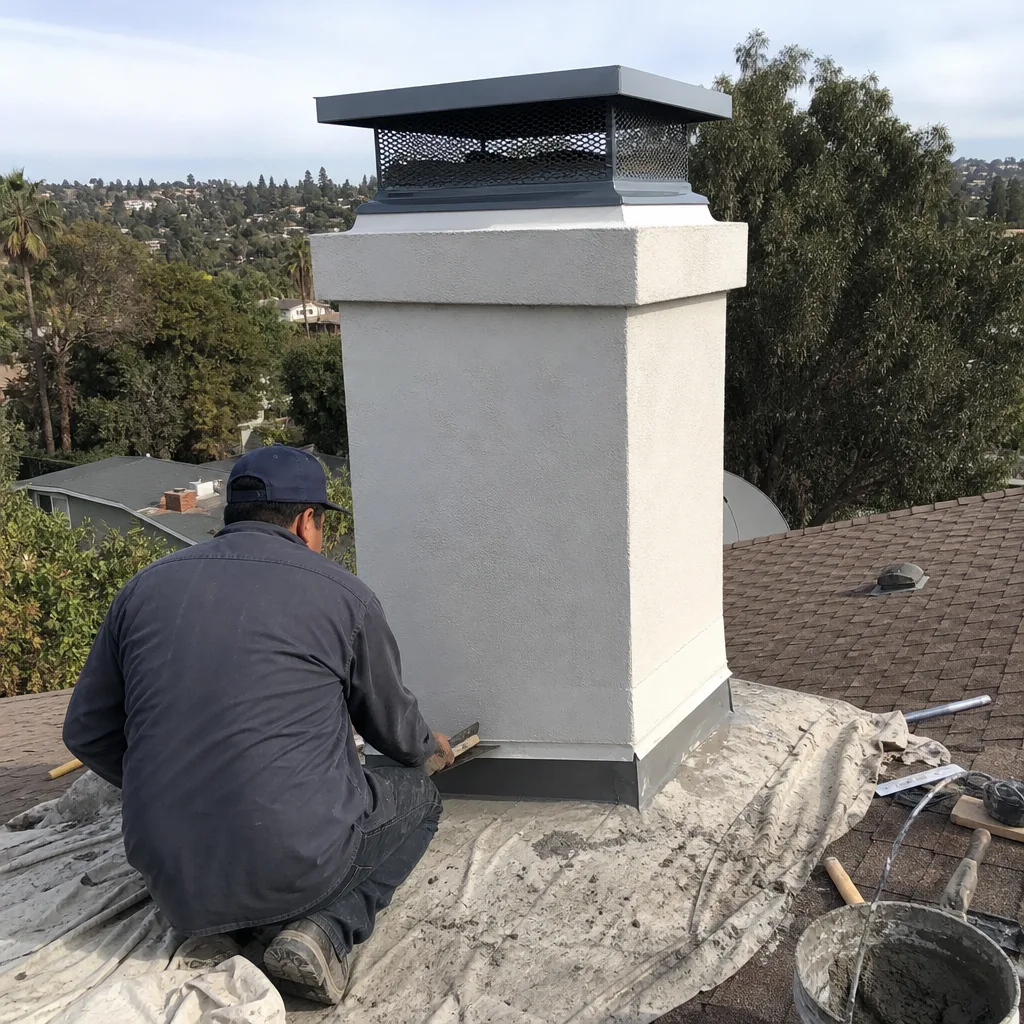 After
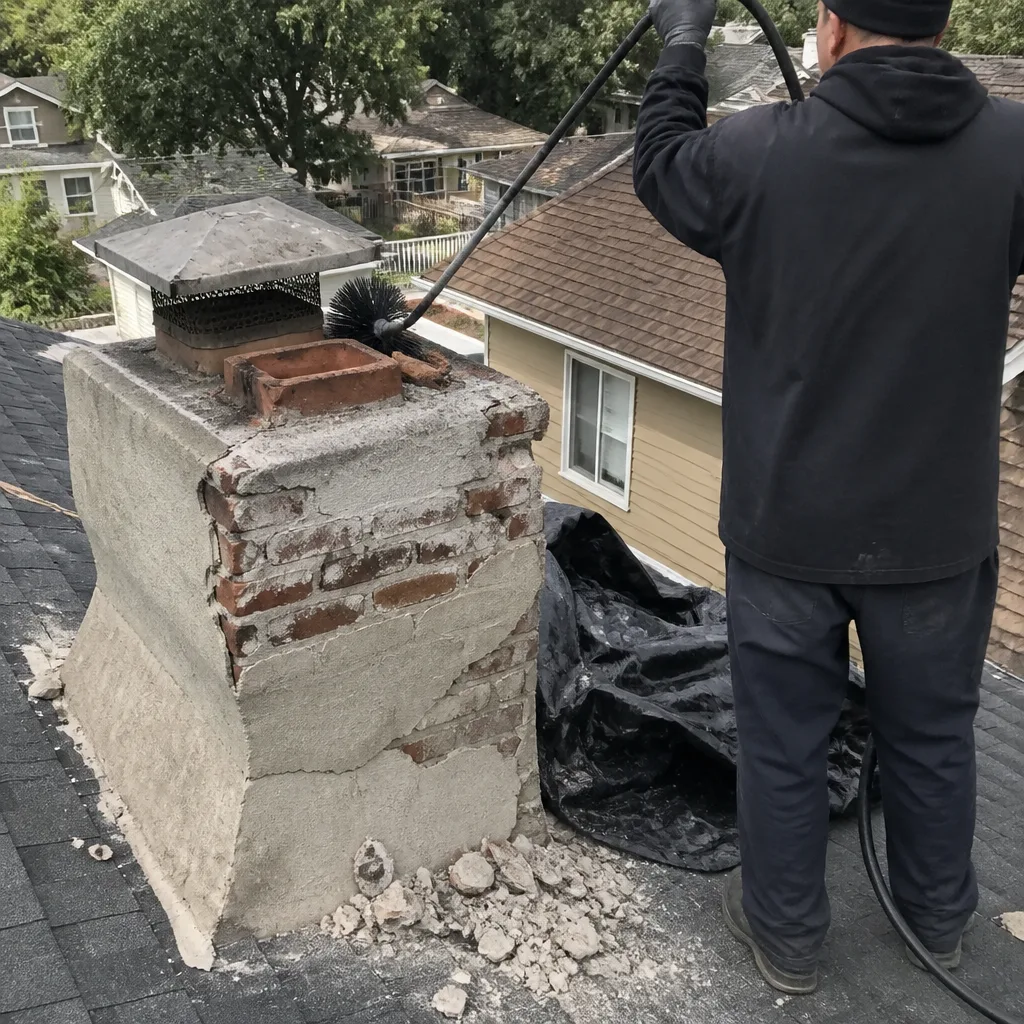 Before
 After
 Before
 After