
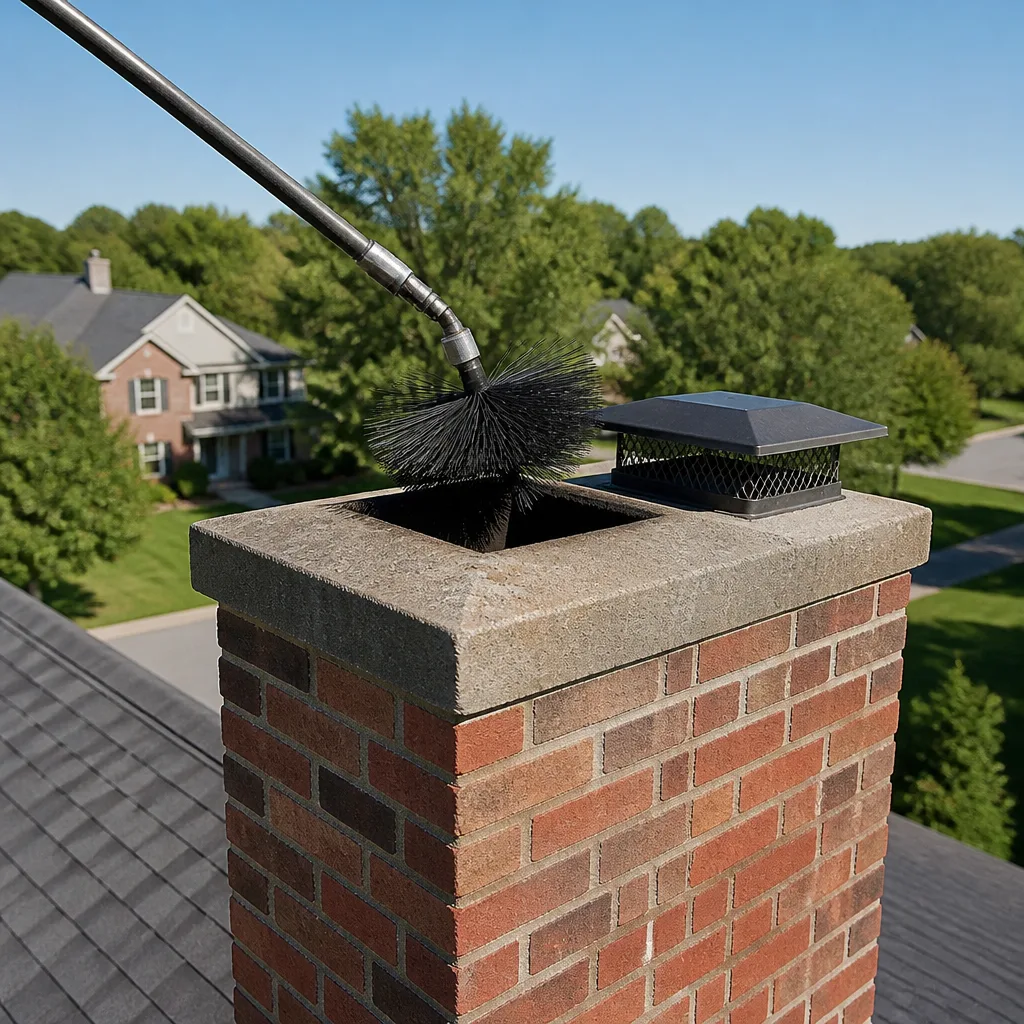
 Sweep & inspection
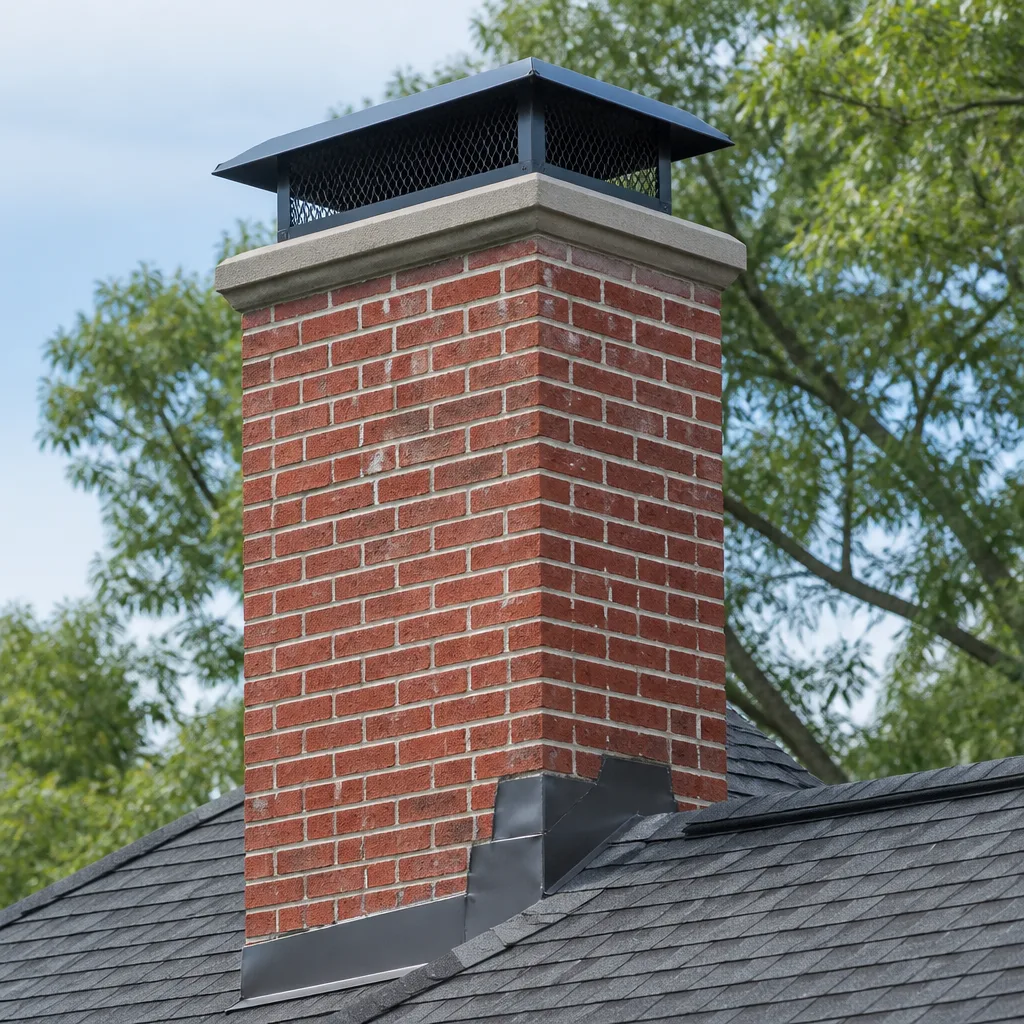 Caps & crowns
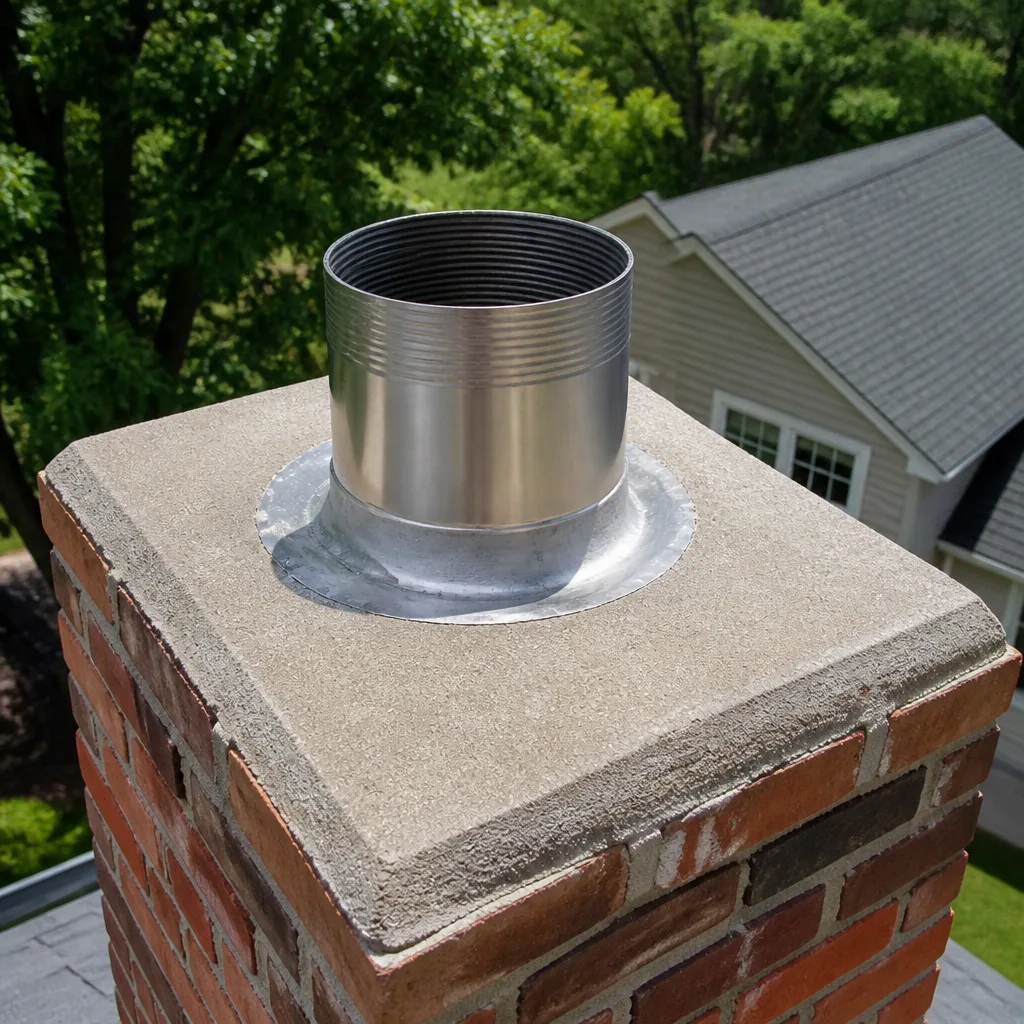 Flue relining
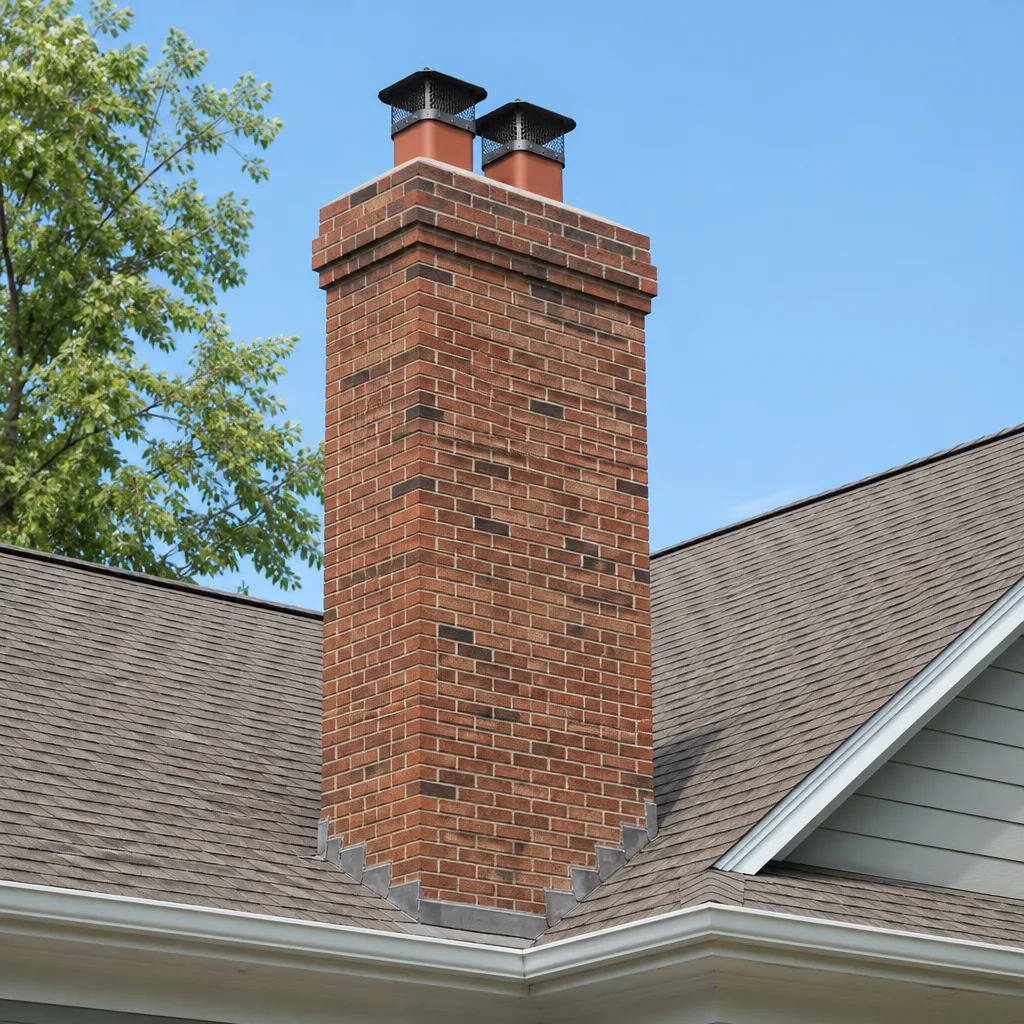 Masonry repair
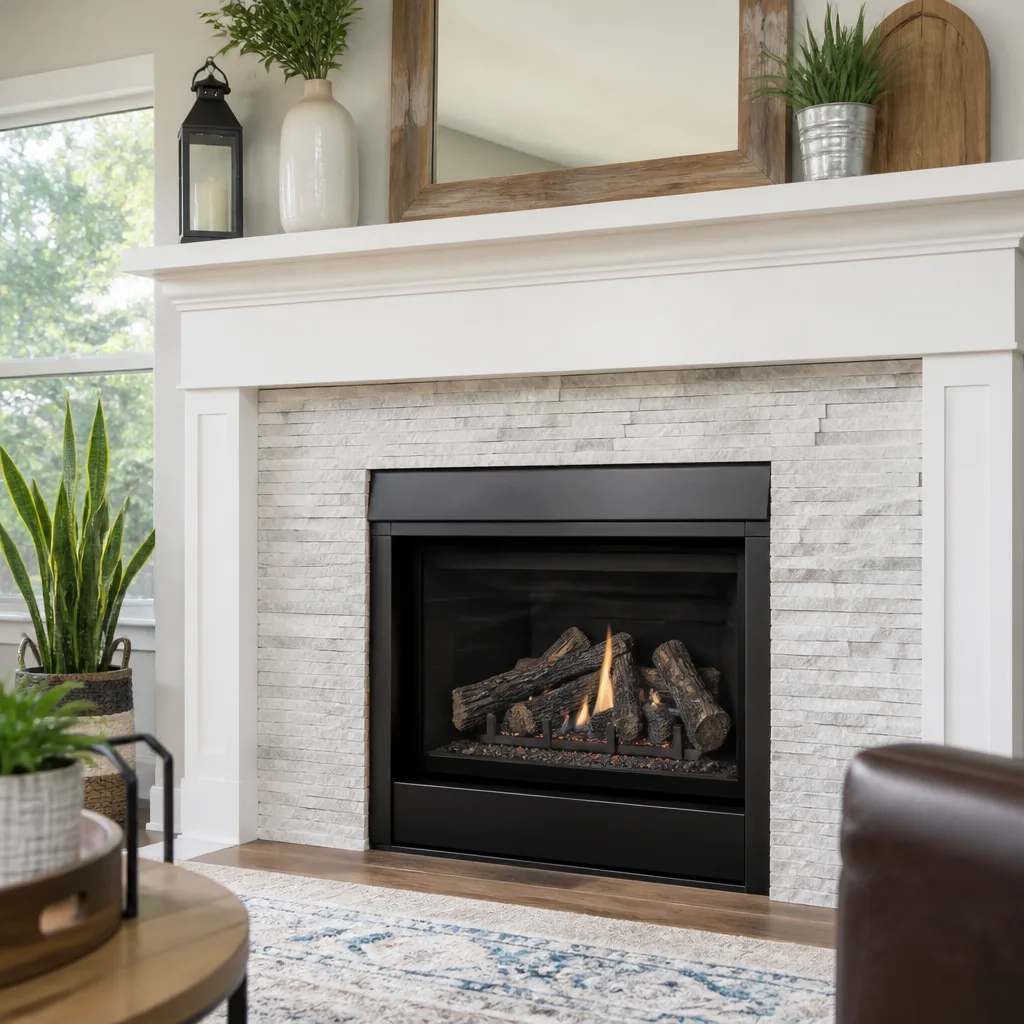 Gas fireplace service
Level 1 sweep and inspection to the NFPA 211 annual standard - flue, crown, cap, and flashing checked and photographed
Chimney sweep logs do not sweep chimneys. They loosen some creosote - which then falls where a brush and vacuum still have to collect it.
HeatShield Chimney Cleaning in Downtown Los Angeles, CA
We provide independent HeatShield chimney cleaning and inspection throughout our Chimney Sweep in Downtown Los Angeles, and the work here looks different than it does anywhere else in the county. Most Downtown LA calls involve sealed decorative fireplaces in 1900s-1920s loft conversions, where the flue terminates on a roof shared with HVAC stacks and building engineers route us through rooftop access instead of the unit itself. So the job is less about scraping creosote and more about camera-scoping old masonry flues and deciding whether the HeatShield liner is still bonded or needs recertification. Call (866) 282-3944 for a free estimate. Our crew knows the rooftops of the 90013 Historic Core better than most delivery drivers know the streets.
If you own or manage a unit in a converted brick building downtown, read on. This page explains what HeatShield service actually involves when the fireplace hasn’t been used since the last remodel, and what conditions in Downtown Los Angeles specifically do to these liners over time. This is not generic chimney advice.
Why Downtown Los Angeles Residents Choose Us for HeatShield Service
We’re not a franchise and we’re not manufacturer-affiliated. We’re an independent chimney company that works with HeatShield ceramic and refractory mortar systems because the product works when it’s installed correctly, and we’ve spent enough hours on Historic Core rooftops to know where it gets installed incorrectly. Noel Castañeda, our owner, grew up in Montecito Heights and trained in building systems at Los Angeles Trade-Technical College before spending the better part of two decades inspecting and relining chimneys across downtown and the hillside neighborhoods. He’s the person property managers call when a sealed fireplace gets flagged before escrow closes.
Three things matter most to the buildings we serve: we carry genuine HeatShield ceramic and refractory components, we know how to work with rooftop access constraints and building management sign-off, and we document everything with camera footage so no one has to take our word on a liner failure. We’re licensed and insured, and we quote flat prices before work begins.
Downtown Los Angeles building stock is specific: early-1900s brick and masonry commercial buildings converted to residential lofts, six to twelve stories tall, with flues embedded in original walls and terminated on shared rooftops. That’s where HeatShield sales & service expertise matters, because the product’s bonding chemistry behaves differently on century-old soot-glazed brick than it does on modern clay tile.
Styles & brands we work with
- Sweep & inspection
- Caps & crowns
- Flue relining
- Masonry repair
- Gas fireplace service
Common HeatShield Chimney Cleaning Problems We Solve in Downtown Los Angeles
- Debonded HeatShield coating over soot-glazed brick. The original 1910s-era brick in Historic Core buildings was never sealed, and years of wood smoke left a glaze that standard bonding agents don’t grip. We see coatings installed in the 1990s and early 2000s that have separated from the host masonry within a few seasons.
- Shrinkage cracks and spalling in old HeatShield liners. Where the original mortar in the flue was already friable, the liner has no stable substrate. Downtown’s dry climate doesn’t help. The liner shrinks, cracks at the joints, and pieces flake into the flue.
- Liner separation in wall-embedded flues of converted lofts. Many fireplaces were sealed at build-out, so no one notices the liner separating until a rooftop camera inspection shows the gap between the HeatShield shell and the original brick.
- Deteriorating refractory mortar wash at the flue throat. Decorative fireplaces that get occasional no-burn-day-compliant use still cycle heat and cool, and the throat mortar is the first place edge lift and smoke spillage appear.
- Failed bonding in SRO hotel conversions. Single-room occupancy buildings converted without proper surface prep show HeatShield coatings that are fully debonded. We clean, recoat, and recertify rather than tear out the whole stack.
None of these are problems a visual inspection from the firebox will catch. Half the time the fireplace face is sealed and the only sign of trouble is a faint smoke smell in a neighboring unit.
HeatShield Service in Downtown Los Angeles: What Local Conditions Mean for Your Equipment
The thing that separates Downtown Los Angeles from every other market we work in is simple: here, HeatShield in Fashion District and surrounding areas is driven by rooftop-access inspections and sealed decorative fireplaces, not by heavy creosote removal. The South Coast Air Quality Management District restricts wood burning on most winter days, so fireplaces in 90013 are decorative or occasional-use fixtures. Decades pass between actual burns. That means the creosote buildup suburban chimney sweeps talk about barely exists here. What builds up instead is neglect: the 1910s brick flue behind a sealed fireplace face was never inspected after the conversion, the original HeatShield coating from a previous retrofit is quietly debonding, and the first time anyone looks is when a building engineer notices staining around the roof penetration.
On Spring Street near Little Tokyo HeatShield service in the 90013 Historic Core, a building manager asked us to inspect a sealed decorative fireplace in a 1910s loft conversion. The only access was a rooftop hatch beside the HVAC stacks. From the roof we scoped the original brick flue, found the old HeatShield coating debonded over soot-glazed brick, and rebuilt the crown before applying a fresh HeatShield ceramic liner. The unit passed a Level 2 certification the same week. That’s the normal workflow downtown. It requires a contractor who can coordinate with building management, bring camera equipment to a roof, and explain the findings to a homeowner who may have never seen their own flue.
If you haven’t had it looked at, you don’t know what’s up there.
HeatShield Models & Products We Service in Downtown Los Angeles
We stock and install the full HeatShield product line: the HeatShield Ceramic Flue Relining System, HeatShield Refractory Mortar in Medium-Duty formulation, HeatShield Insulation Mix, and HeatShield Resurfacing Compound. We use genuine HeatShield components on every relining job because the cure chemistry and thickness tolerances are not things we’re willing to gamble on with aftermarket knockoffs. When a flue is structurally sound and the existing liner passes a Level 2 camera inspection, we clean and recoat. We don’t push replacement unless the camera evidence says it’s necessary.
For Downtown Los Angeles turnaround, we keep the common ceramic and refractory components on the truck or in our local stock, so we’re not waiting on a distributor in another state when a Historic Core building has a certification deadline before escrow.
See the difference
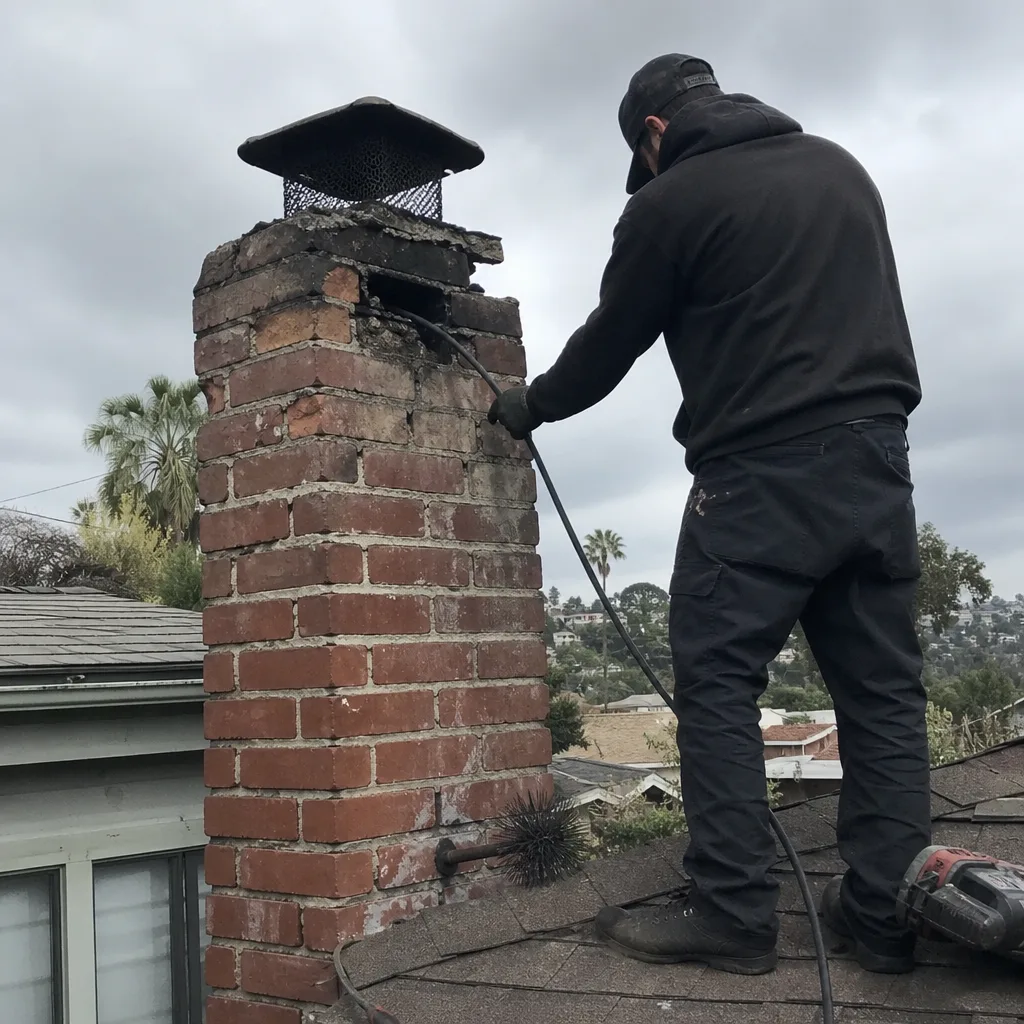 Before
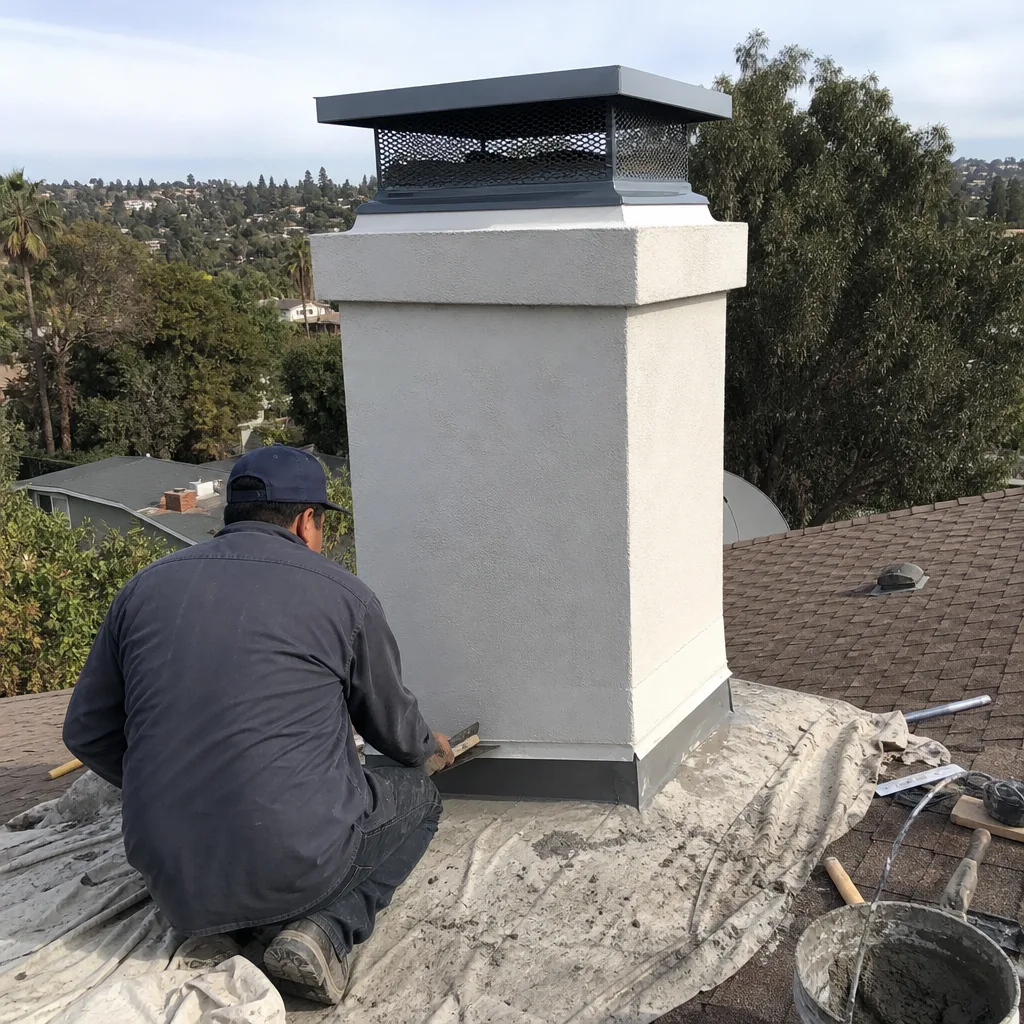 After
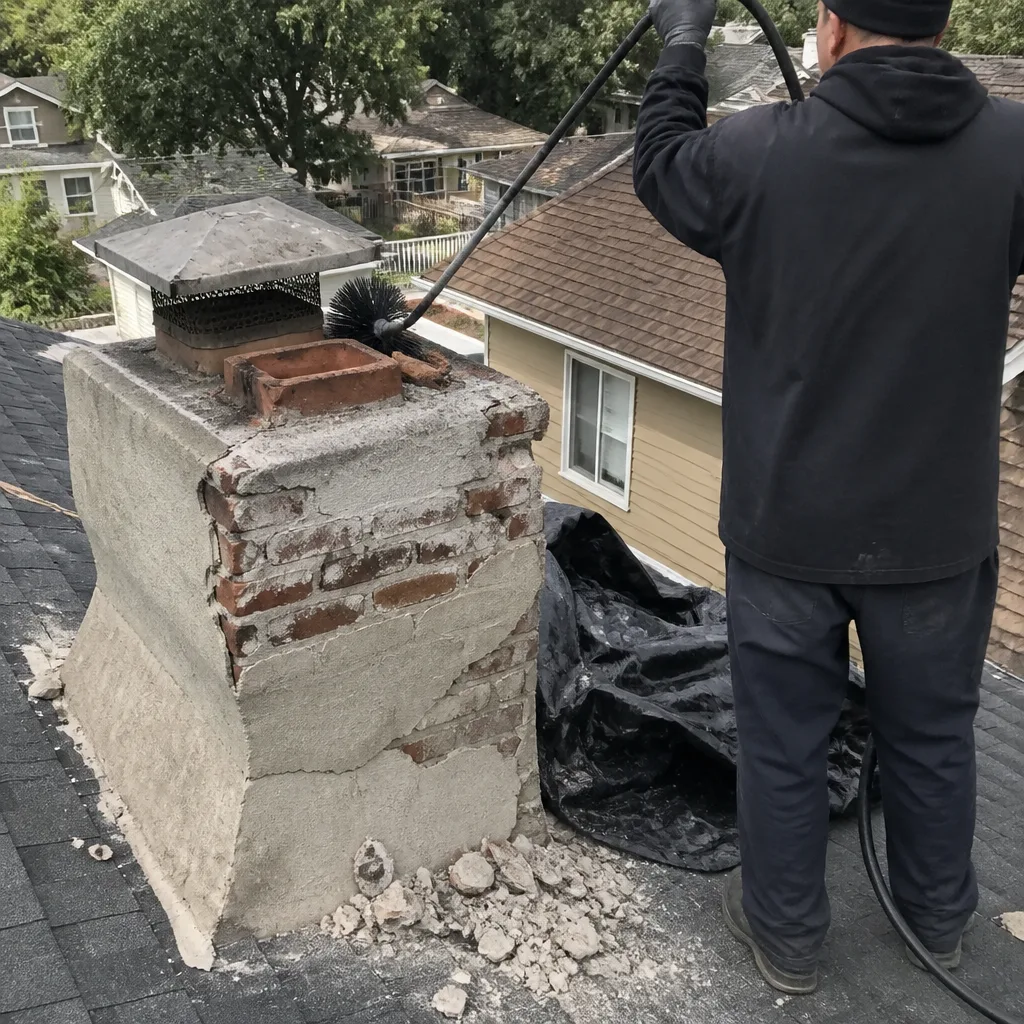 Before
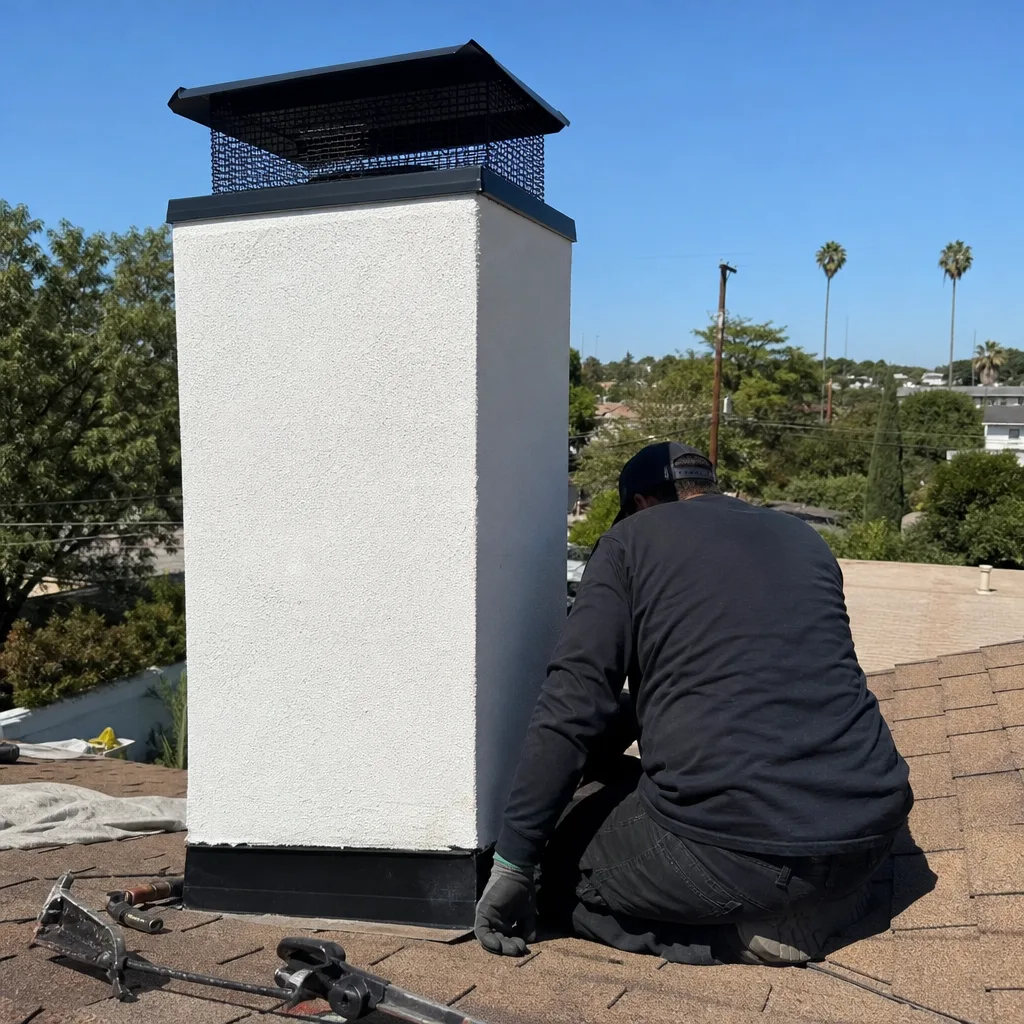 After
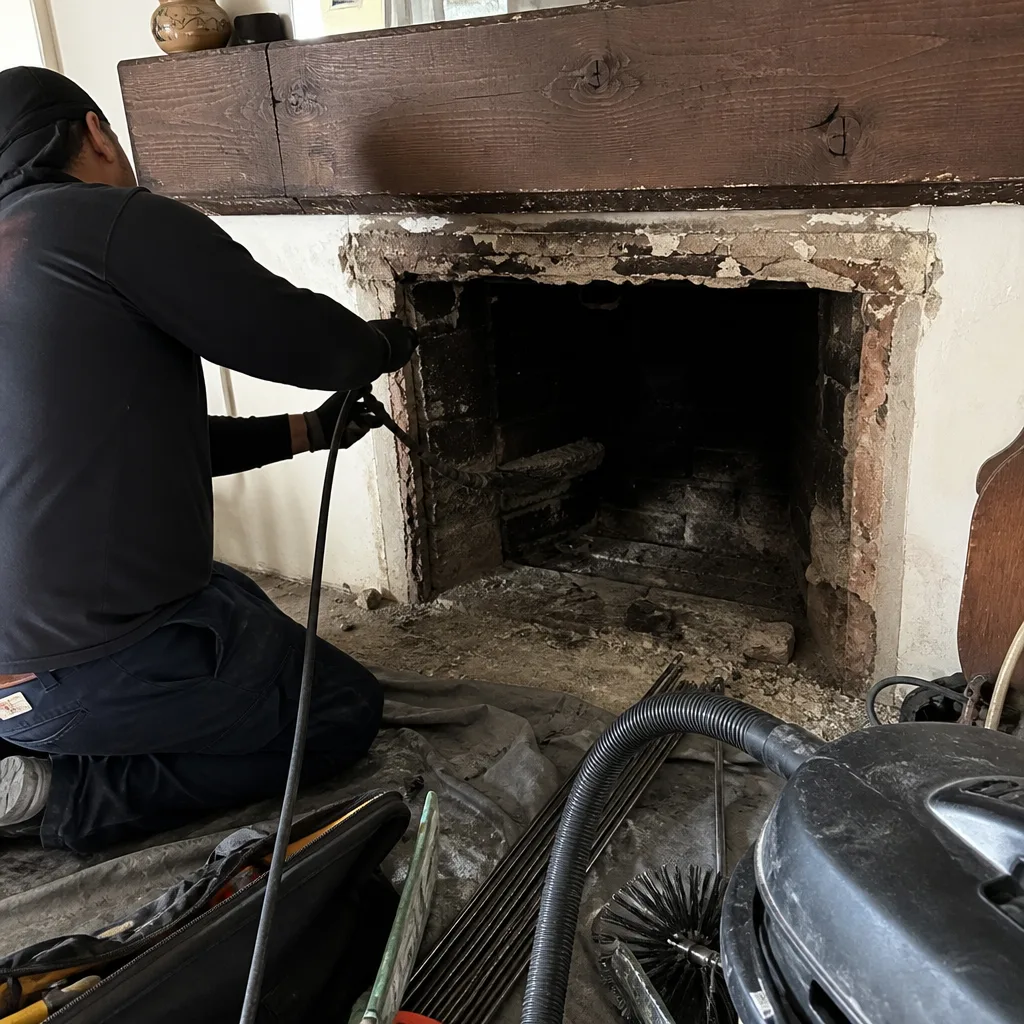 Before
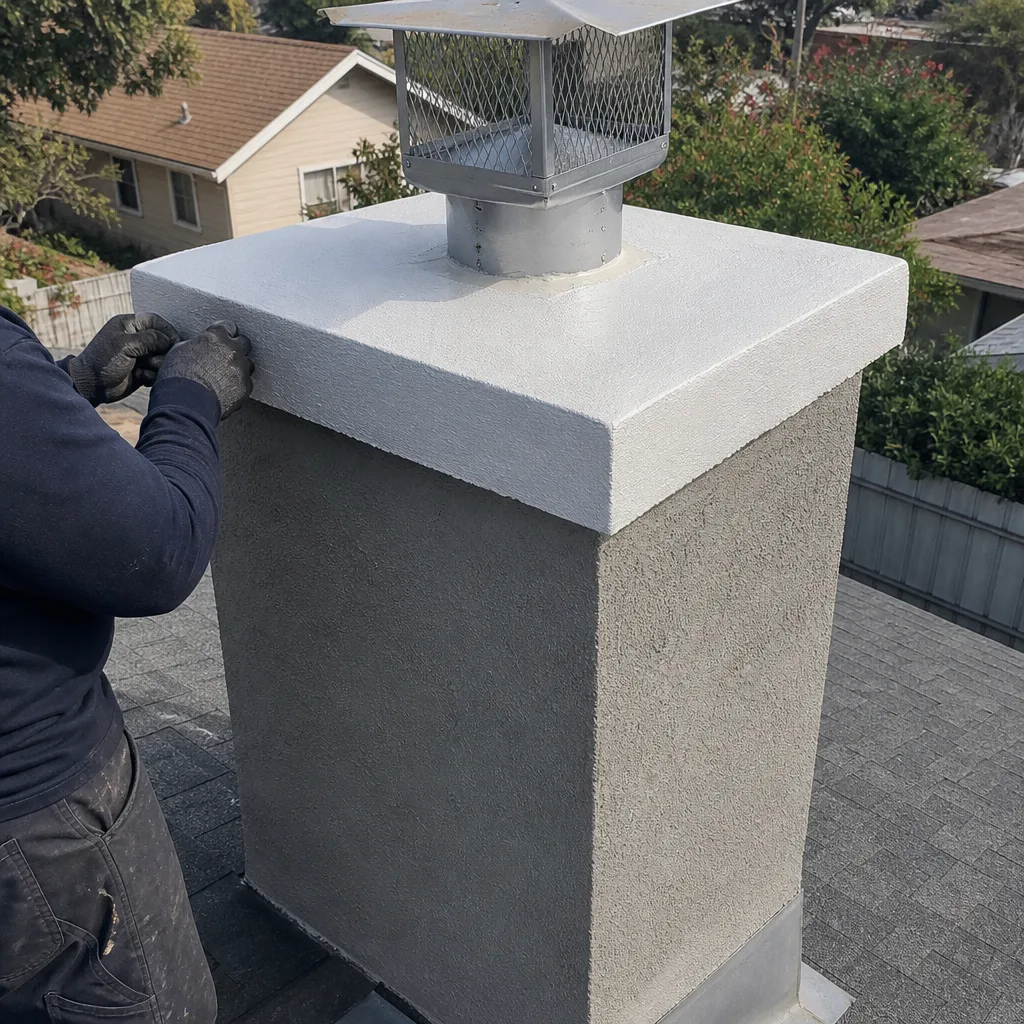 After
HeatShield Service Pricing in Downtown Los Angeles
HeatShield chimney cleaning and inspection in Downtown Los Angeles typically runs $185 to $340 depending on rooftop access requirements, flue condition, and whether building management requires documentation beyond standard reporting. A Level 2 camera inspection adds $150 to $300. Full HeatShield relining of a 1910s brick flue in 90013 generally lands between $2,800 and $6,500, driven by liner thickness, access constraints, and the amount of original brick that needs repointing before the ceramic can bond.
Your estimate is free and it’s specific to your building. We don’t quote over the phone without seeing the rooftop condition, because two identical floor plans in the same Historic Core building can have completely different flue situations. Call (866) 282-3944 and we’ll schedule a time to look.
Serving Downtown Los Angeles, CA – Our Local Coverage Area
We’re based in the Downtown Los Angeles area and know this community well. Use the map below to see our service coverage – if you’re nearby, we can almost certainly help.
FAQs – HeatShield Chimney Cleaning in Downtown Los Angeles
Can you inspect a sealed fireplace in a Downtown LA loft if the building won’t let you access it from inside?
Yes, and that’s actually the standard situation in the Historic Core. We access the flue from the rooftop penetration, run a camera down through the masonry, and document the liner condition from above. Building engineers routinely require this approach in 90013, and we coordinate directly with management to get roof access arranged before we arrive. Call (866) 282-3944 to start the process.
Does my 1910s brick flue in 90013 need a HeatShield liner before I can legally burn wood?
In almost every case, yes. The original brick in these buildings was never intended to handle direct wood-burning heat without a liner, and most Downtown Los Angeles conversions sealed fireplaces rather than reline them at build-out. If you open a sealed fireplace and want to burn on allowed days, a HeatShield ceramic liner is the standard fix. We’ll confirm with a Level 2 camera inspection and show you the footage before quoting the reline.
How does Downtown LA’s no-burn-day pattern affect HeatShield liner wear?
It reduces creosote accumulation dramatically, but it introduces a different problem: long idle periods. The liner goes through heat-cool cycles only a handful of times per year, which can accelerate debonding if the original surface prep was marginal. The dry climate also pulls moisture out of the refractory mortar over years of disuse. That’s why we recommend an inspection even if you barely use the fireplace. Call (866) 282-3944 for a free estimate on a rooftop inspection.
Can you rebuild a spalling brick chimney on a 1920s Historic Core building without replacing the whole stack?
Usually, yes. Spalling at the crown and the top courses doesn’t require a full teardown. We repoint the masonry, replace the crown, and apply the HeatShield ceramic liner to the interior. The structural integrity of the stack is what determines whether partial rebuilding is enough, and that’s something we assess on-site with camera footage to back up the recommendation.
What does a HeatShield relining project involve when the flue is shared or wall-embedded in a loft conversion?
It starts with rooftop access, not the unit. We scope the flue from the top, determine the liner path through the wall, and coordinate with building management on the work window. The relining happens from the roof down or through a designated access point, depending on the building’s stack configuration. Shared flues that serve multiple fireplaces are common in older conversions, and those require more coordination but the HeatShield system handles them well. Call (866) 282-3944 for specifics on your building.
Service Areas Near Downtown Los Angeles
We work throughout Downtown Los Angeles and the surrounding neighborhoods, including Montecito Heights, Mount Washington, Rosemead, Baldwin Park, Arcadia, and San Gabriel. For Downtown Los Angeles service area details, or if you’re nearby and looking for HeatShield service in Altadena or HeatShield service in Historic Core, call us and we’ll tell you when we’re in your area.
Book Your HeatShield Service in Downtown Los Angeles Today
We schedule Chinatown HeatShield service and inspections throughout Downtown Los Angeles every week. Rooftop access, building management coordination, and sealed fireplace scoping are all standard for us. Call (866) 282-3944 for a free estimate, and we’ll get you on the schedule before burning season restrictions loosen.
Written by Noel Castañeda, Owner at Ironwood Chimney Sweep, serving Downtown Los Angeles and the surrounding neighborhoods.