
Last updated November 3, 2026
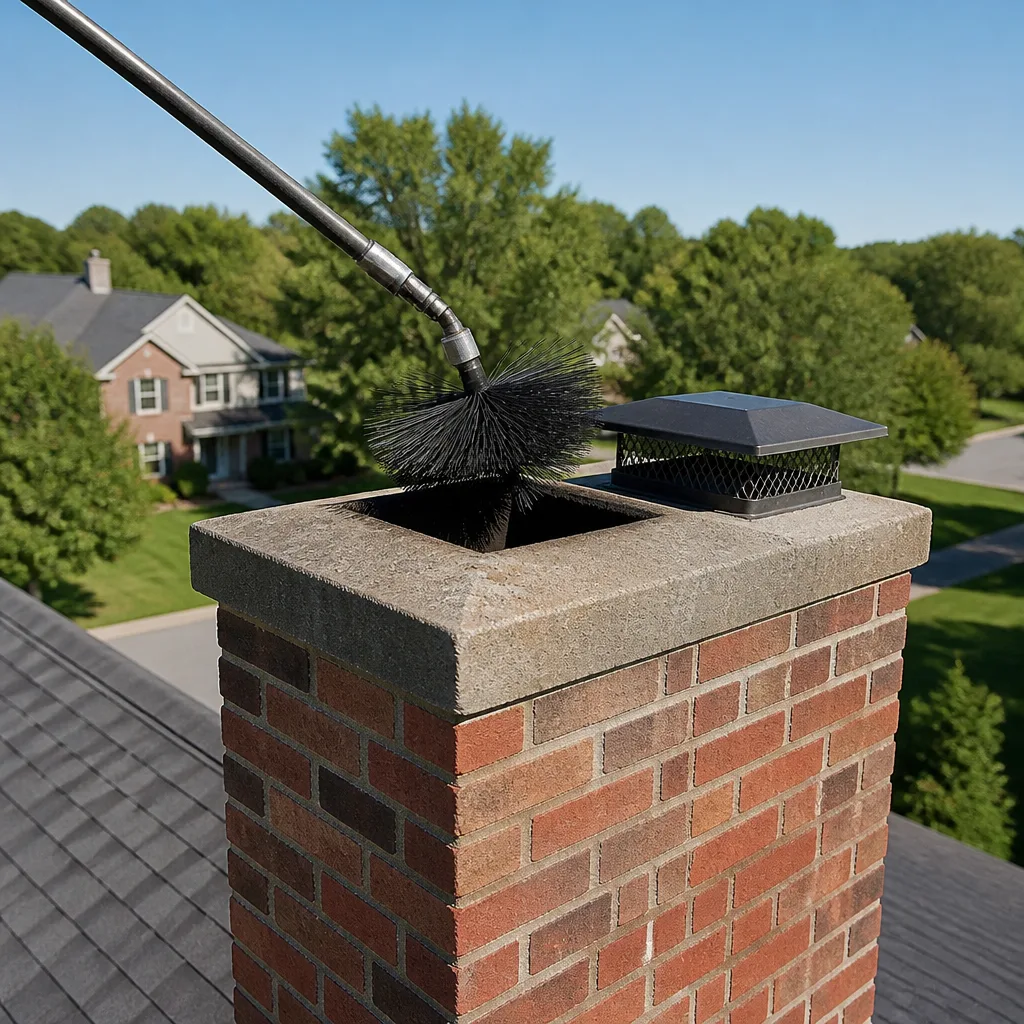 Sweep & inspection
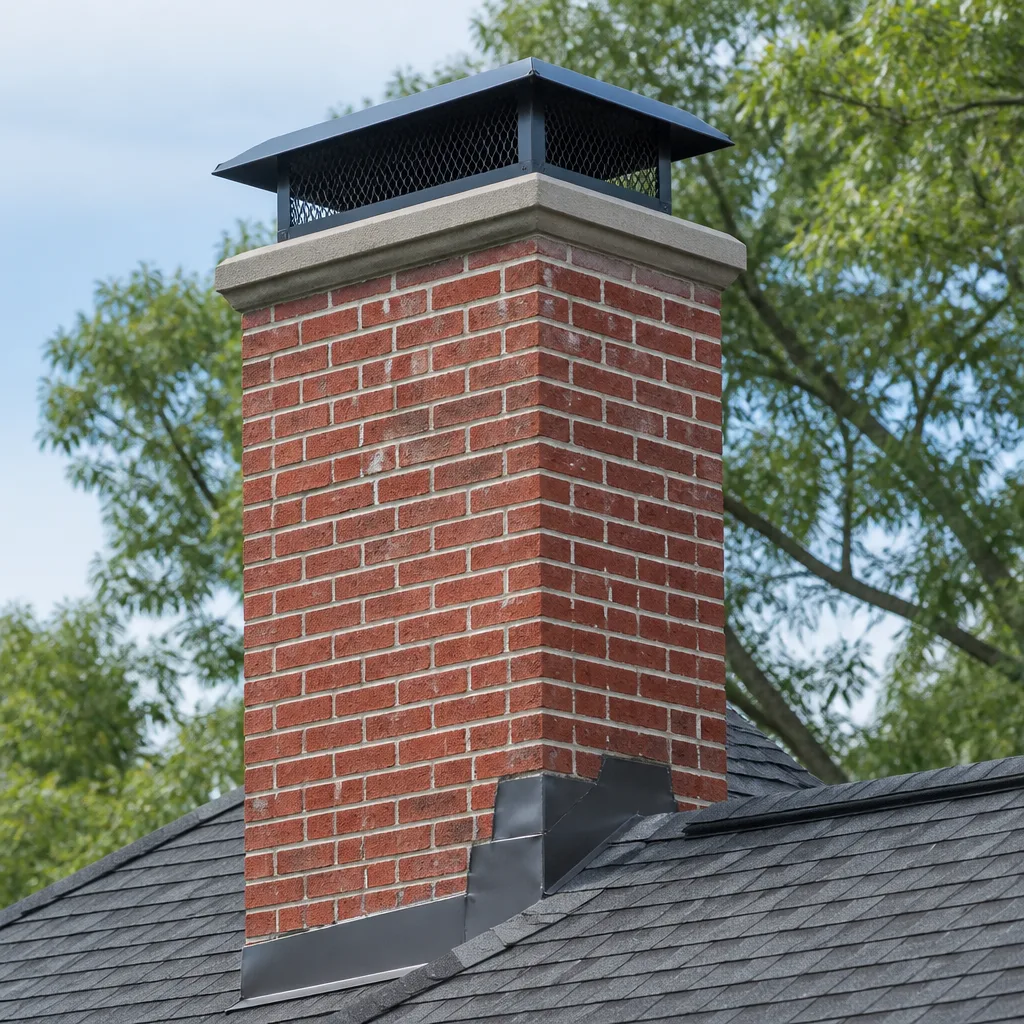 Caps & crowns
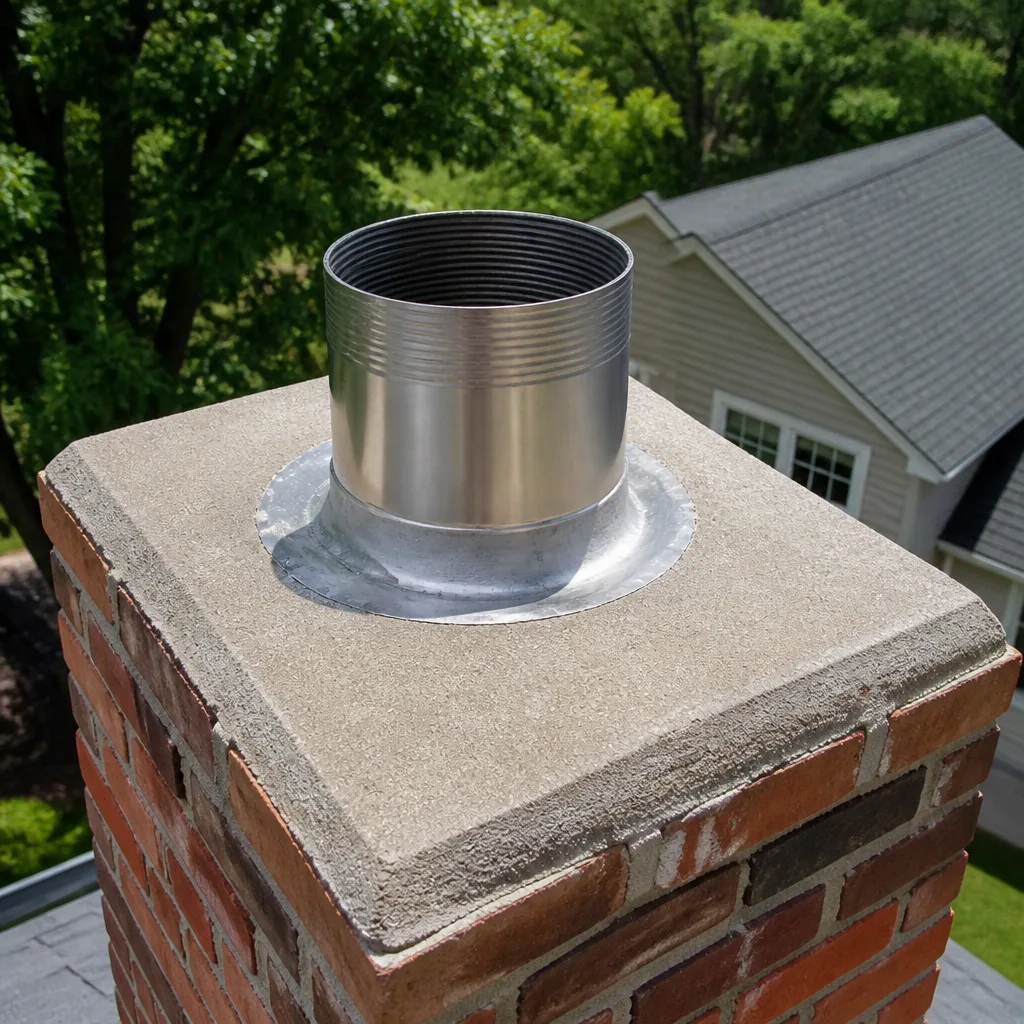 Flue relining
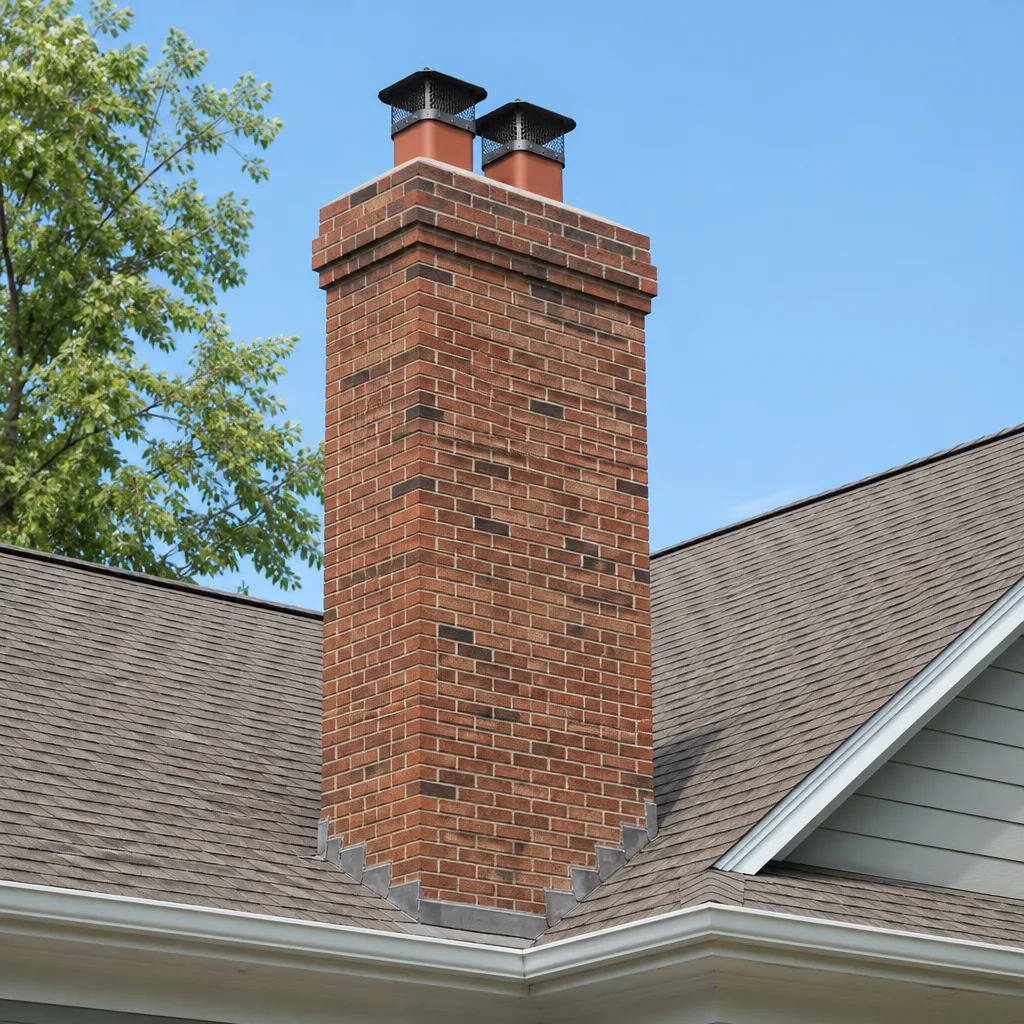 Masonry repair
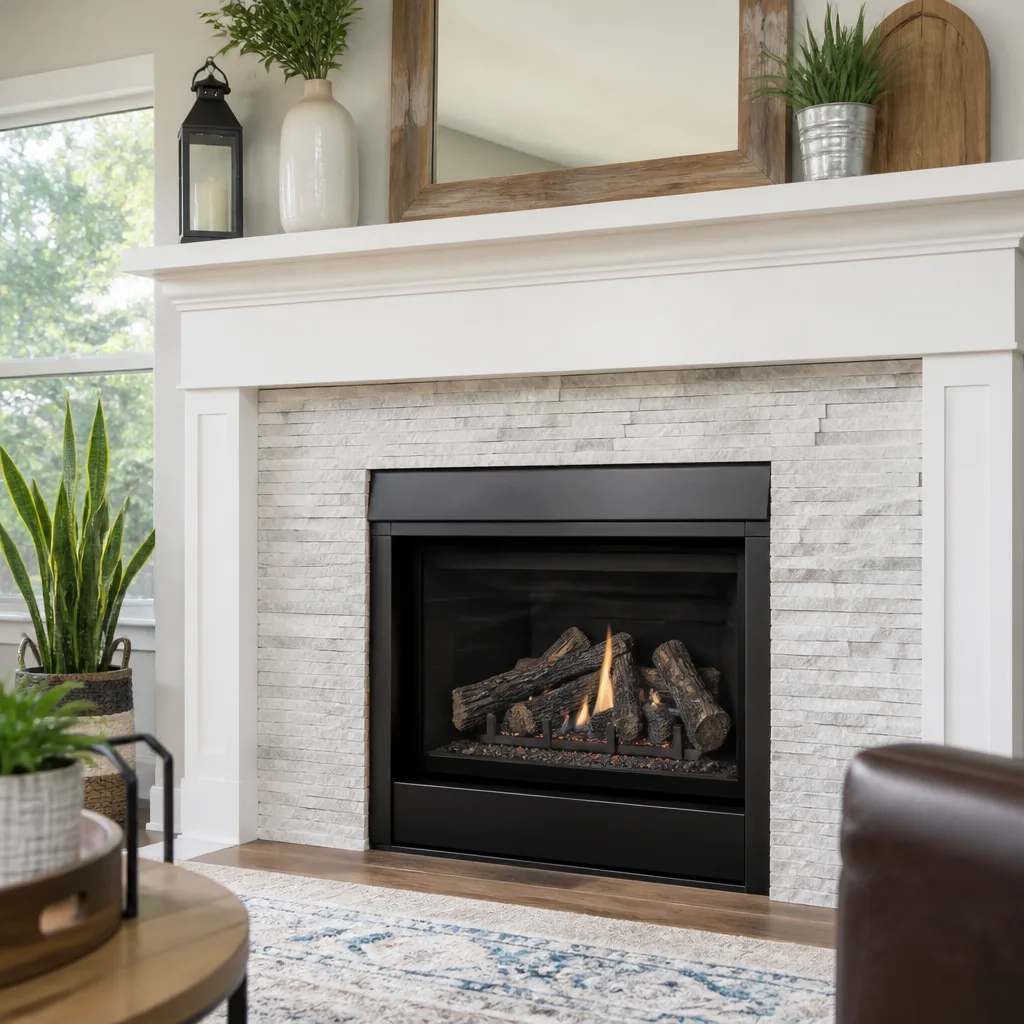 Gas fireplace service
Level 1 sweep and inspection to the NFPA 211 annual standard - flue, crown, cap, and flashing checked and photographed
Chimney sweep logs do not sweep chimneys. They loosen some creosote - which then falls where a brush and vacuum still have to collect it.
The Complete Chimney Sweep Guide for Montecito Heights Homeowners
Montecito Heights sits at an elevation where coastal moisture and canyon drafts intersect, a combination that accelerates creosote formation faster than most LA neighborhoods and that a one-size-fits-all sweep schedule simply doesn’t account for. If you’ve been treating your chimney like a set-it-and-forget-it feature, the hillside slopes, marine layer, and older masonry flues in this neighborhood are working against you in ways most national guides never mention. This guide explains what actually happens inside your flue between sweeps, what your Montecito Heights home specifically demands, and how to catch a five-figure repair before it becomes one.
Styles & brands we work with
- Sweep & inspection
- Caps & crowns
- Flue relining
- Masonry repair
- Gas fireplace service
Quick Answer
Chimney sweeping in Montecito Heights should happen at least once per year for wood-burning fireplaces, and more often if you burn more than two cords per season or notice visible creosote. The neighborhood’s elevation band traps moisture against older mortar joints, which means sweep frequency here is as much about inspecting for water damage as it is about fire safety. A complete visit includes our Chimney Sweep services, a camera inspection of the flue liner, cap and crown evaluation, and firebox refractory check.
Table of Contents
- Why Montecito Heights Is Different From the Rest of LA
- What a Chimney Sweep Actually Includes
- How Often Should You Sweep Your Chimney in Montecito Heights?
- Creosote Staging: What Builds Up and Why It’s Dangerous
- Moisture and Masonry Damage on the Hill
- Liner Inspection: The Repair You Don’t Want to Defer
- A Southern California Maintenance Calendar
- How to Choose a Chimney Sweep in Montecito Heights
- Common Mistakes to Avoid
- When to Call a Professional
- Frequently Asked Questions
Why Montecito Heights Is Different From the Rest of LA
Montecito Heights isn’t a flat, predictable neighborhood. The homes climb. Streets like Griffin Avenue and Avenue 43 angle upward, and with that elevation comes a specific weather pattern. Moisture from the LA Basin floor rises in the late afternoon and catches against the hillside. That means your chimney sees more wet-dry cycling than a chimney in Echo Park or Lincoln Heights below.
Here’s why that matters. Every chimney in Montecito Heights faces two forces that flatland homes don’t. First, the marine layer reaches this elevation band with enough persistence that outdoor masonry stays damp longer. Second, canyon drafts push air through flues unevenly. When a chimney runs hot one evening and sits in damp air the next, the mortar joints in older brick flues expand and contract at different rates than the brick itself. Micro-cracks form. Water gets in. The cycle accelerates.
In our experience, we see more efflorescence, the white powdery mineral deposits that signal water movement through masonry, on Montecito Heights chimneys than in most surrounding areas. It’s not that the homes are built poorly. It’s that the location demands more attention.
This matters for two reasons beyond cosmetic concern. Wet creosote and water-damaged flue tiles are a fire risk. And a chimney that’s quietly pulling moisture into your walls eventually becomes a structural problem, not just a maintenance item.
What a Chimney Sweep Actually Includes
A real sweep is not a guy with a brush on a stick. At minimum, a complete service visit in Montecito Heights should cover five inspection points beyond the sweeping itself, as detailed in The Complete Guide to Chimney Cleaning in Montecito Heights. If your sweep skips any of these, you’re not getting what you paid for.
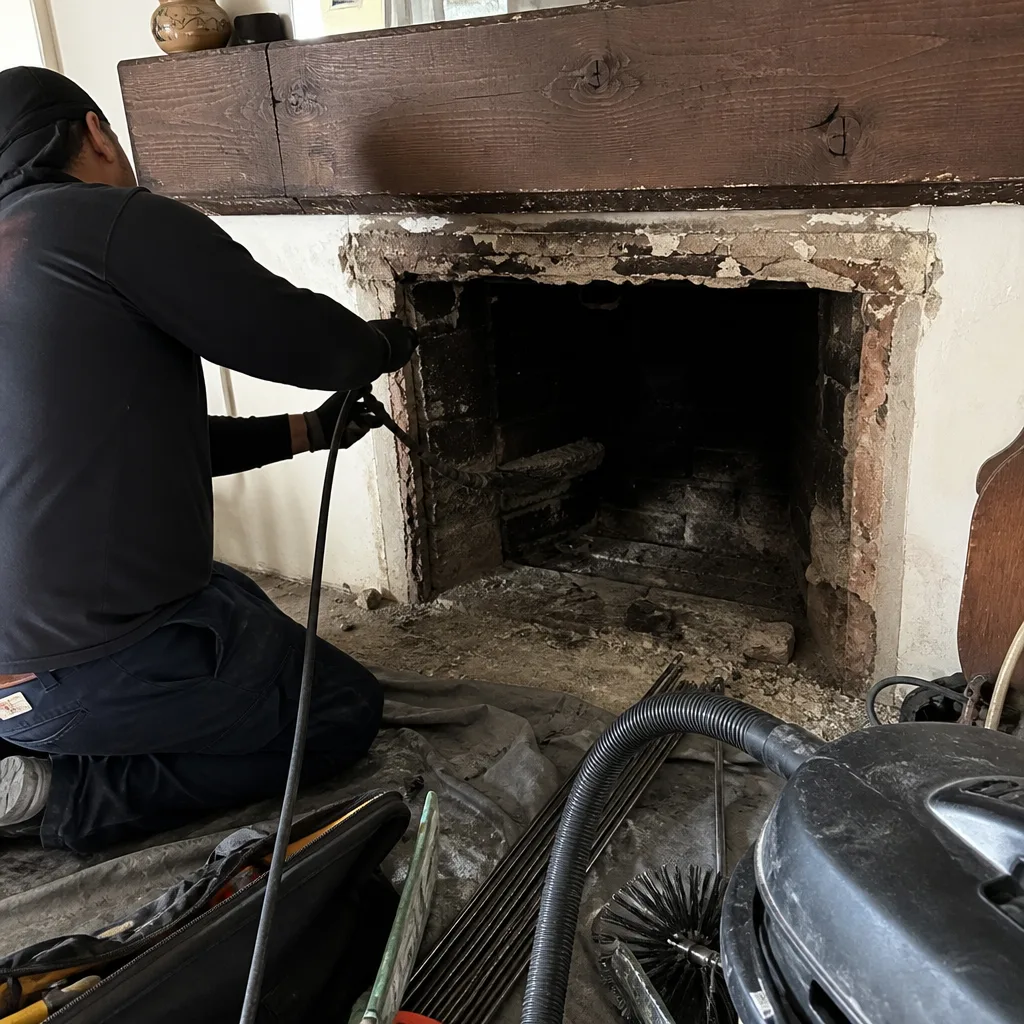
- Flue brushing and creosote removal. The mechanical removal of built-up creosote from the flue walls using properly sized brushes. This is the baseline service.
- Camera inspection of the liner. A camera run through the flue to check for cracks, gaps, or missing mortar joints in the liner. This is how you catch a $4,000 repair before it becomes a $12,000 one.
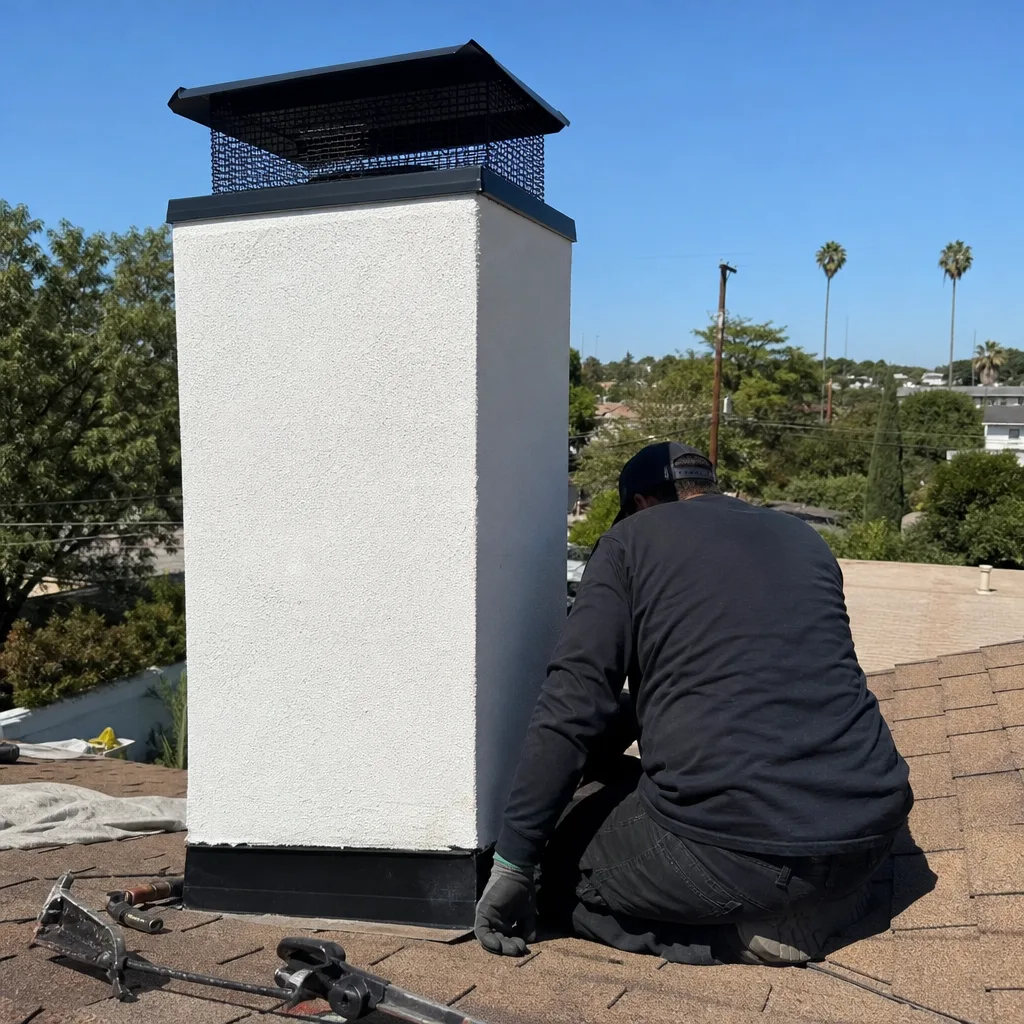
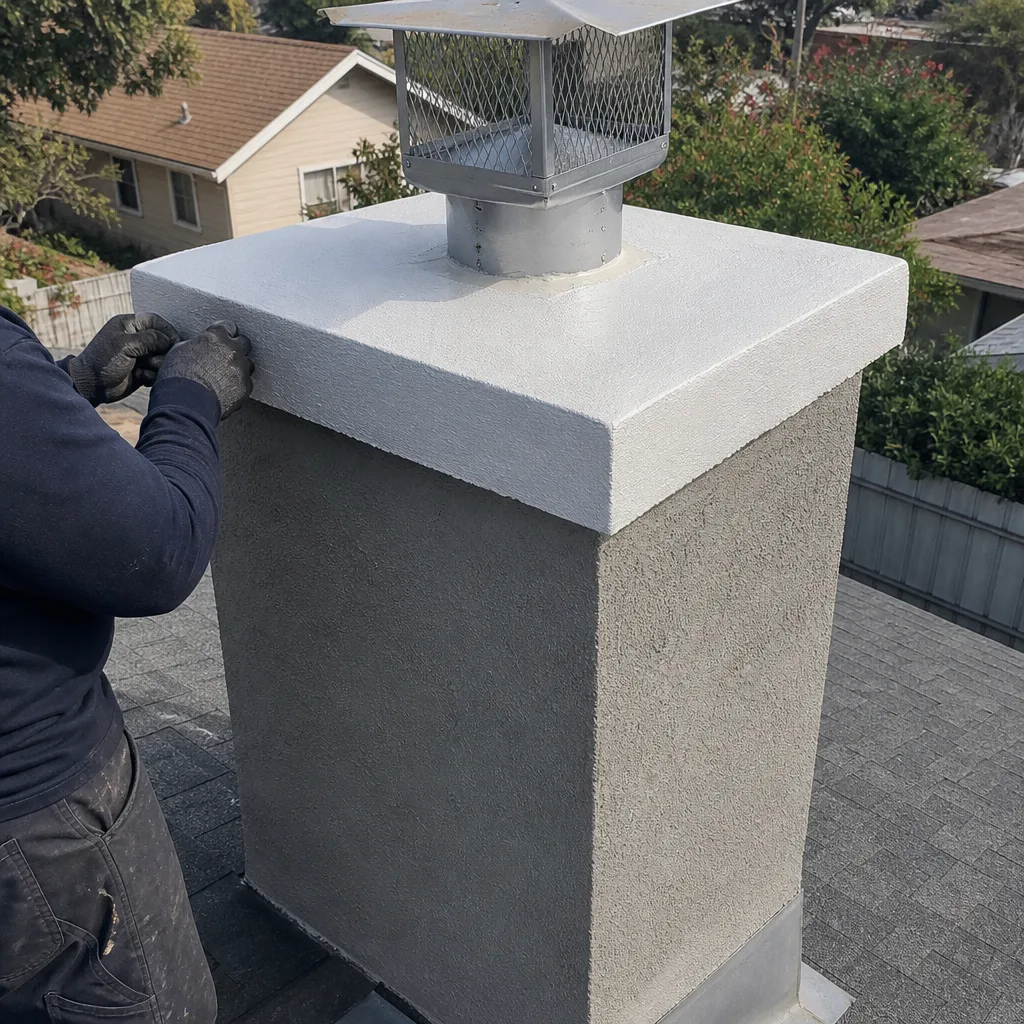
- Cap and crown evaluation. The chimney cap keeps rain and animals out. The crown is the concrete or mortar surface at the top that sheds water. Both fail on hillside homes faster due to wind and moisture exposure.
- Firebox refractory check. The firebox is the area where the fire actually burns. Refractory panels and mortar joints in the firebox take direct heat and degrade. A cracked refractory panel is a common code violation and fire hazard.
- Smoke chamber inspection. The angled transition area above the firebox and below the flue. Creosote and soot accumulate here heavily, and many older Montecito Heights chimneys have unparged or deteriorating smoke chambers.
If you’re scheduling a sweep, don’t be shy about asking whether all five of these points are included. A $99 “sweep special” often means the brush work only, and the inspection points that catch real problems get skipped.
How Often Should You Sweep Your Chimney in Montecito Heights?
The National Fire Protection Association says to sweep when creosote reaches 1/8-inch thickness. That’s a technical standard that means almost nothing to a homeowner. Here’s a practical rule for Montecito Heights specifically.
Sweep once per year if you burn seasoned hardwood for occasional evening fires, fewer than 20 fires per season.
Sweep twice per year if you burn more than two cords of wood, burn any amount of softwood like pine or fir, or notice a campfire-like smell coming from the fireplace even when it’s not in use.
Sweep immediately if you see shiny, tar-like creosote (stage 3) on the flue walls, hear crackling in the flue during a fire, or smell smoke inside the house when the fireplace is running.
The hillside factor matters here. Draft pressure in Montecito Heights homes is less consistent than in flat neighborhoods. On some days the wind pushes down the flue and slows your fire’s exhaust. Incomplete burns mean more creosote per fire than a flatland home would produce under the same conditions. If your fires smolder and smoke more than they used to, that’s not just an annoyance. It’s a sign the flue is loading up faster than the annual schedule assumes.
For most Montecito Heights homeowners who burn regularly, a six-month check is actually the safer interval. You can read more about what goes into a proper Chimney Sweep in Montecito Heights visit and how we approach each job.
Creosote Staging: What Builds Up and Why It’s Dangerous
Creosote forms in three distinct stages, and knowing which stage you’re dealing with changes the urgency. Homeowners in Montecito Heights should be able to spot the difference.
- Stage 1: Flaky, sooty dust. This is normal combustion byproduct and brushes off easily. It’s what a routine sweep removes.
- Stage 2: Crunchy, tar-like flakes. This is what happens when the flue runs cool and the creosote condenses rather than burns off. The marine layer and canyon drafts in Montecito Heights contribute to this by making fires burn cooler and less efficiently.
- Stage 3: Shiny, glassy, tar-like coating. This is concentrated fuel. Stage 3 creosote burns at over 2,000 degrees Fahrenheit and can ignite from a single spark. It sometimes requires chemical treatment or rotary removal rather than standard brushing.
Creosote doesn’t build evenly. The smoke chamber and the top portion of the flue, where the gases cool fastest, accumulate first. That’s why a visual check of the firebox alone tells you nothing. The dangerous buildup is usually higher up, where you can’t see it.
The point is this: annual sweeping is not a formality. In Montecito Heights, the conditions that produce stage 2 and stage 3 creosote are present more often than they are in the flatter parts of the city. The inspection is the product, not just the brushing.
Moisture and Masonry Damage on the Hill
Here’s a sequence we see on older Montecito Heights homes that most guides don’t explain. The chimney crown, the sloped mortar surface at the top, develops a hairline crack. Rainwater slips in. The water runs down the inside of the flue. It dissolves small amounts of the mortar and soaks into the flue liner tiles. At night, the marine layer keeps everything damp. Then a fire is lit. The water inside the masonry heats, expands, and pushes outward. The crack grows.
What starts as a $300 crown repair becomes a $3,000 flue reline, and eventually a $15,000 partial chimney rebuild. The entire progression is moisture-driven, and Montecito Heights’ elevation band is the accelerant.
The pre-1960s housing stock in this neighborhood has a specific vulnerability. Many of these chimneys were built with unlined masonry, or with terra cotta flue tiles that have since cracked. Mortar this old loses its bond over decades of thermal cycling. We commonly find deteriorated mortar joints, missing flue tiles, and water-stained fireboxes in the Spanish Revival and Craftsman homes that make up much of Montecito Heights.
If you own one of these older homes, the chimney should be inspected even if you’ve never used it. Water damage doesn’t care whether you burn fires. It happens regardless.
Liner Inspection: The Repair You Don’t Want to Defer
The flue liner is the most expensive single component of your chimney, and it’s also the one most homeowners never look at. In Montecito Heights, liner condition directly affects both fire safety and your home’s structure.
An intact liner contains heat and combustion gases, directing them out of the home. A cracked or deteriorated liner lets heat reach the surrounding masonry and framing. That’s how chimney fires spread into house fires. It also lets moisture into the chimney structure, accelerating the masonry decay described above.
When we inspect flues in older Montecito Heights homes, we look for three specific things:
- Missing mortar joints between terra cotta tiles. The mortar wears away first, leaving gaps where heat and gases can escape.
- Spalled flue tile. Thin shards of tile that have flaked off and fallen into the smoke chamber or firebox. This is a sign of internal damage.
- Unlined flues in pre-war construction. Some older chimneys in this area were never lined at all. Building codes changed decades ago, but the chimneys remain.
When a liner needs replacement, we spec the right system for the specific flue rather than the cheapest option that fits. Homes with existing masonry often benefit from resurfacing with HeatShield, a purpose-engineered ceramic system that restores the interior surface without a full teardown. Homes requiring a complete liner replacement typically get a DuraFlex stainless system sized to the flue dimensions and the appliance it serves. Neither approach is a patch job. Both are long-term solutions, and we explain the difference when we show you the camera footage.
For a full picture of how liner inspection fits into our broader repair scope, see Chimney Repair in Montecito Heights.
A Southern California Maintenance Calendar
Most chimney maintenance checklists online are written for Midwestern or Northeastern climates, where the priorities are snow, ice, and furnace efficiency. Montecito Heights has a different calendar. Here’s what actually matters here, with more guides & resources available on our blog.
September: Pre-season inspection and sweep. This is the single most important month. Wildfire season peaks in September and October in Southern California, and a clean flue with an intact spark arrestor is a real safety factor. Schedule before the first cold evening, not after.
October: Cap and crown check before winter rains. If a repair is needed, do it now. Once the rainy season starts, a small crack becomes a water intrusion problem.
November through February: Burning season. Monitor for smoke smell inside the home, excessive soot, or fires that struggle to draft. Any of these means a mid-season sweep or inspection is warranted.
March: Post-season evaluation. This is a good time to address any issues that showed up during burning season, before the summer heat and before contractors get busy with fire season prep.
April through August: Repair window. Liner replacement, masonry work, and crown repairs are easier to schedule and cure properly in dry, warm weather. Avoid deferring structural repairs into the fall.
If you only do one thing per year, schedule the September sweep. If you do two things, make the second one a cap and crown check in October.
How to Choose a Chimney Sweep in Montecito Heights
The chimney sweep industry has a low barrier to entry, which means the gap between a thorough professional and a guy with a brush is wide. Here’s what separates them in this specific neighborhood.
Ask about camera inspection. A sweep that doesn’t include a camera run through the flue is not inspecting anything. You’re paying for brushing and a guess. The camera footage is your evidence. If a sweep can’t show you what your flue looks like, that’s a red flag.
Ask what materials they specify for repairs. Professional-grade companies work with recognized industry brands. At Ironwood Chimney Sweep home, our repair work uses DuraFlex, HeatShield, Gelco, Olympia Chimney, and Copperfield products. A sweep who quotes “some kind of stainless liner” without naming the brand is signaling that they’ll use whatever’s cheapest and available. In a Montecito Heights hillside home, the wrong liner or resurfacing material becomes a problem the next time the marine layer rolls in.
Ask about the full fire-safety picture. Your chimney and your dryer vent are both potential fire sources in the same house. A contractor who only handles one is leaving a hazard unaddressed. That’s why our three-service scope exists: sweep, repair, and Dryer Vent Cleaning in Montecito Heights. One call covers your chimney and your dryer vent.
Ask for the report. After the service, you should have something in writing or digital form: what was found, what was done, what to watch, and when to schedule next. A professional leaves a trail. A handyman leaves a receipt.
Common Mistakes to Avoid
- Burning unseasoned wood, especially softwood. Wet or resinous wood burns cool and incomplete, producing creosote at several times the rate of dry hardwood. In Montecito Heights’ draft-variable conditions, the effect is worse. Use seasoned hardwood with a moisture content below 20 percent.
- Assuming an unused chimney doesn’t need attention. Moisture intrusion, animal nesting, and masonry decay happen whether you burn or not. If you have a chimney, it needs an annual visual, at minimum.
- Closing the damper too early after a fire. This traps warm, moisture-laden smoke in the flue, where it condenses and adds to creosote deposits. Wait until the fire is completely out and the embers are cold.
- Skipping the spark arrestor. In fire-prone Southern California, a chimney without a spark arrestor is a real problem. If your cap is damaged or missing, replace it before burning season.
- Ignoring draft problems. A fireplace that smokes into the room, smells when not in use, or struggles to keep a fire lit is telling you something about the flue. These are not quirks. They’re symptoms.
- Choosing a sweep based on price alone. The $99 special often excludes camera inspection, cap evaluation, and firebox checks. You’re not saving money. You’re deferring the inspection that catches real problems.
- Burning wrapping paper, cardboard, or treated lumber. These materials burn hot and fast, produce large amounts of creosote, and can ignite flue deposits. Fireplaces are for seasoned firewood, not household waste.
When to Call a Professional
Schedule a sweep if you notice any of these: a strong smell coming from the fireplace when it’s not in use, visible black or shiny deposits on the flue walls, smoke entering the room during a fire, water stains on the ceiling or walls near the chimney, or animals nesting in the flue. Any one of these means something inside the chimney has changed and should be looked at before the next fire. If you’ve never had the chimney inspected since buying your home in Montecito Heights, that’s also a reason to call. For DIY vs Professional Chimney Cleaning: The Montecito Heights Homeowner’s Decision Guide, see our comparison. Ironwood Chimney Sweep offers free estimates in Montecito Heights. Call (866) 282-3944 to schedule a sweep or inspection.
Frequently Asked Questions
A standard sweep and inspection in Montecito Heights typically costs between $180 and $340 depending on the accessibility of the roof, the height of the chimney, and the amount of creosote buildup. Add-on services like camera inspection, cap replacement, or stage 3 creosote removal cost more. Call (866) 282-3944 for an exact quote for your specific chimney, and estimates are free.
Once per year is the minimum for wood-burning fireplaces in Montecito Heights. If you burn more than two cords of wood per season, burn softwood, or notice a campfire smell from the fireplace between uses, schedule a second sweep mid-season. The hillside’s moisture and draft patterns accelerate creosote buildup compared to flatter LA neighborhoods.
Only if the camera footage shows it. A cracked terra cotta liner, missing mortar joints between tiles, or an unlined flue is a legitimate fire and moisture risk. If a sweep recommends a liner replacement, ask to see the camera images. Any professional will show you. We spec DuraFlex stainless liner systems or HeatShield resurfacing based on what the flue actually needs, and we show you the footage before any work is approved.
Creosote accumulates in the flue. Eventually it reaches a thickness where a spark or high-temperature fire ignites it. A chimney fire can reach 2,000 degrees Fahrenheit and crack the flue liner, which then lets heat reach the home’s framing. At the same time, an uninspected chimney may be taking on water through a cracked crown or damaged masonry, which causes its own slow-motion structural damage. Neither problem announces itself until it’s expensive.
Lint buildup in a dryer vent is one of the leading causes of house fires in the US. If your dryer is on an interior wall with a long or angled vent run, the risk goes up. Montecito Heights homes with older construction often have dryer vent runs that have never been cleaned. We handle this as part of the same service call as your chimney sweep. Call (866) 282-3944 to add dryer vent cleaning to your visit.
The marine layer reaches Montecito Heights at a specific elevation band and lingers longer than it does in lower-lying neighborhoods. Older brick chimneys hold that moisture, and the wet-dry cycle weakens mortar joints over time. Add canyon winds that force inconsistent draft pressures, and the result is a chimney that works harder and degrades faster than one in a flat, dry part of the city.
The Bottom Line
Montecito Heights homeowners deal with a chimney environment that’s different from the rest of Los Angeles. The moisture, the hillside drafts, and the age of the housing stock all point to the same conclusion: annual inspection is the floor, not the ceiling. A proper sweep includes camera inspection, liner evaluation, cap and crown checks, and a look at the firebox refractory, and it ends with you knowing exactly what your chimney needs and what it doesn’t. Deferred chimney maintenance in this neighborhood doesn’t just cost more later. It creates a fire hazard in the meantime. Schedule your pre-season sweep, ask for the camera footage, and if you’re near Montecito Heights, call (866) 282-3944 for a free estimate.
Written by the team at Ironwood Chimney Sweep, serving Montecito Heights since 2013.
See the difference
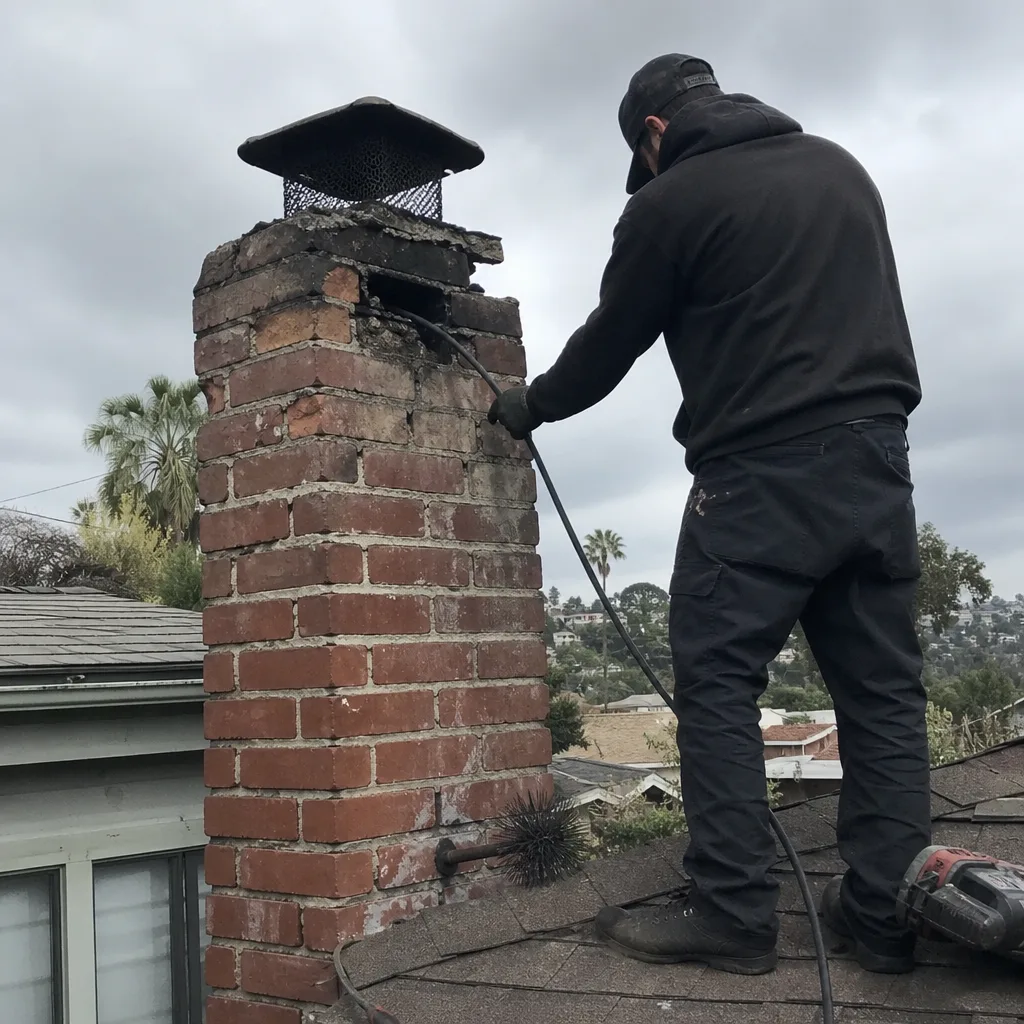 Before
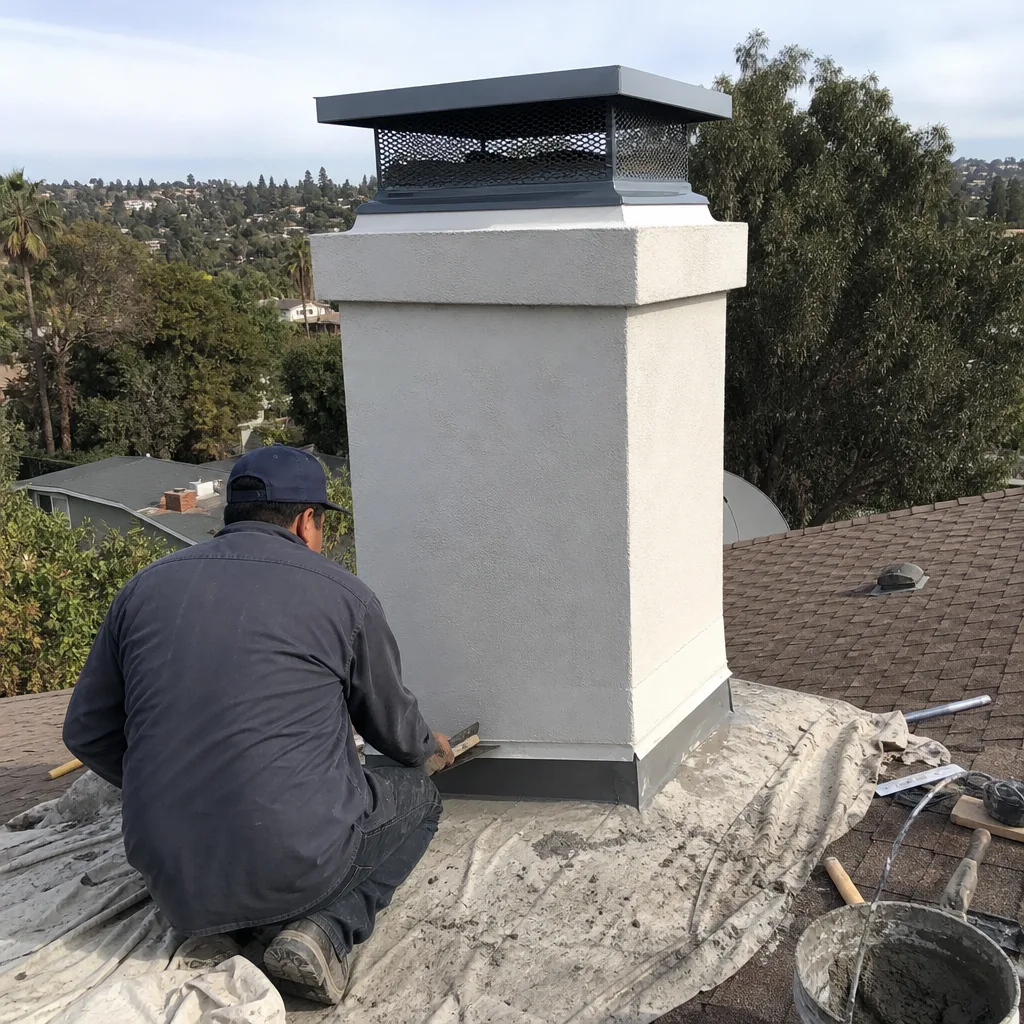 After
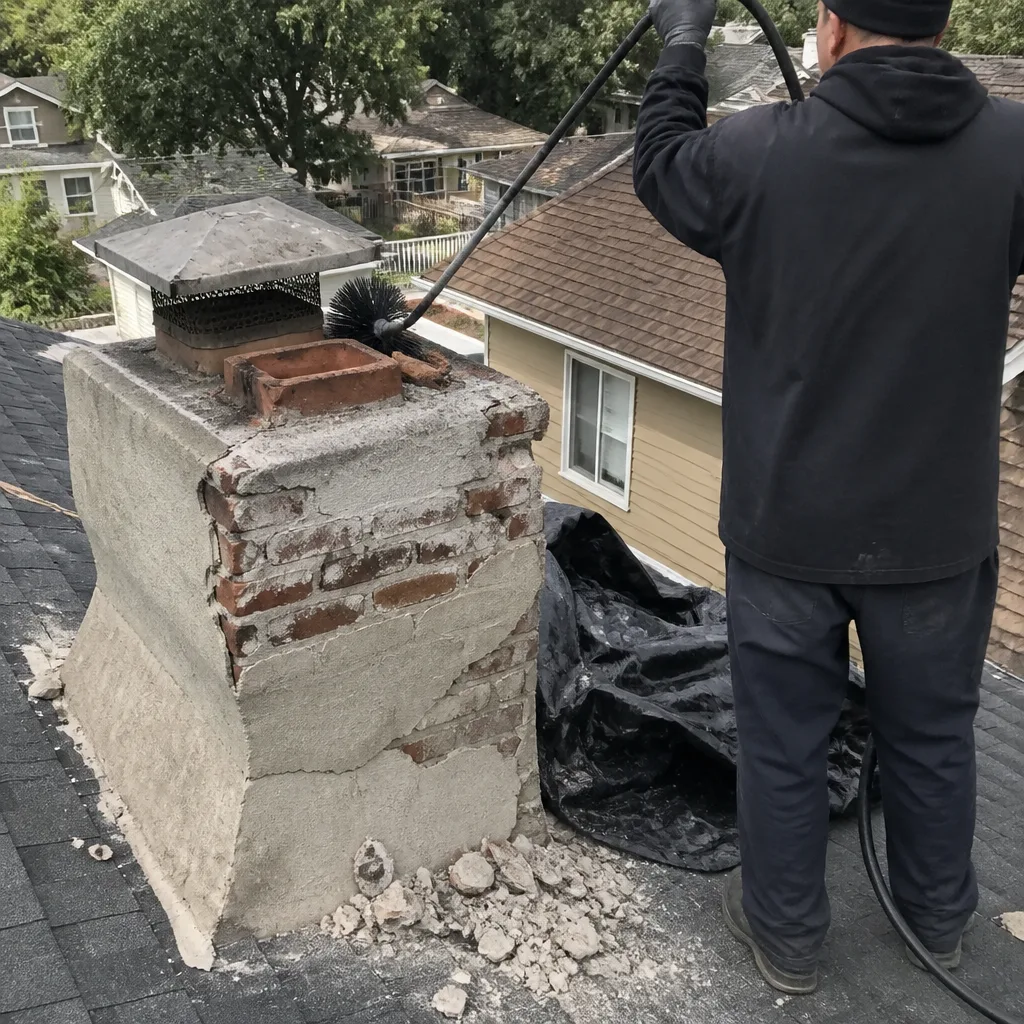 Before
 After
 Before
 After