
Last updated November 2, 2026
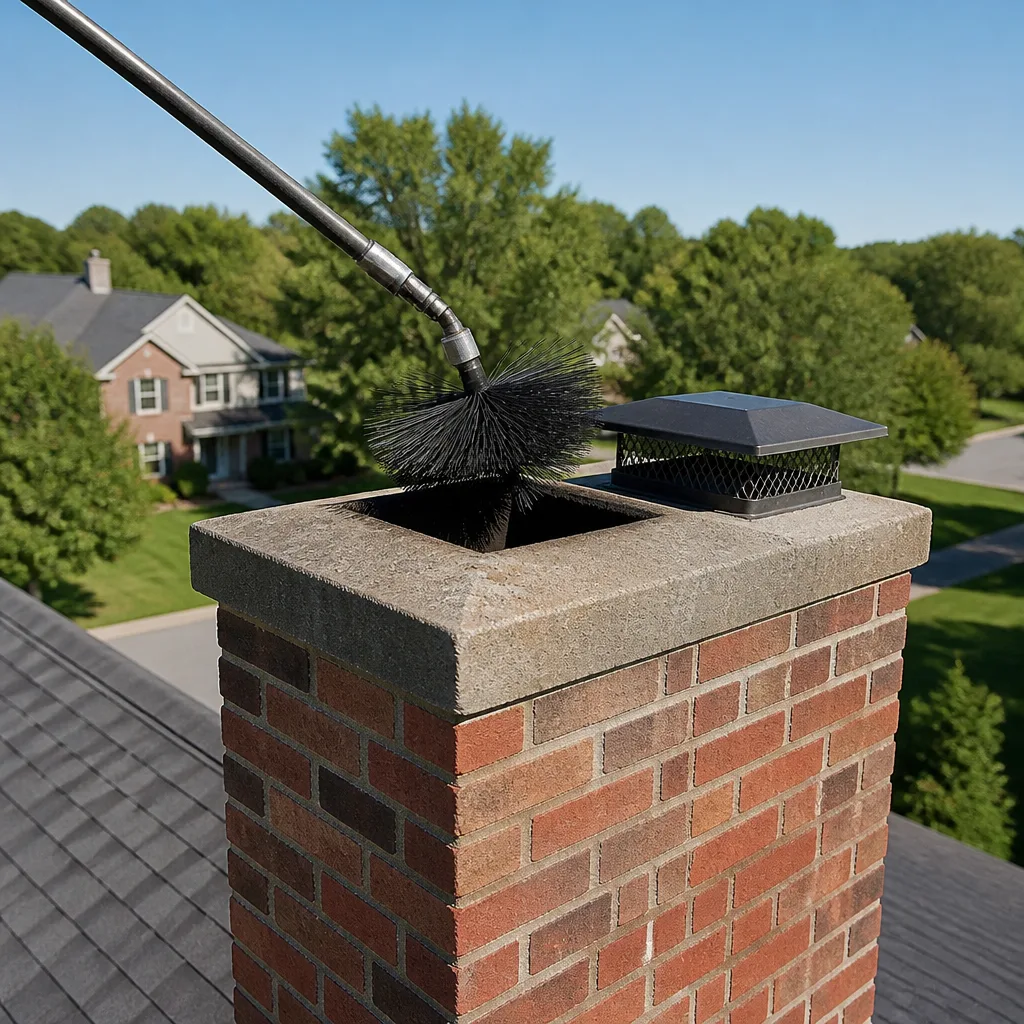 Sweep & inspection
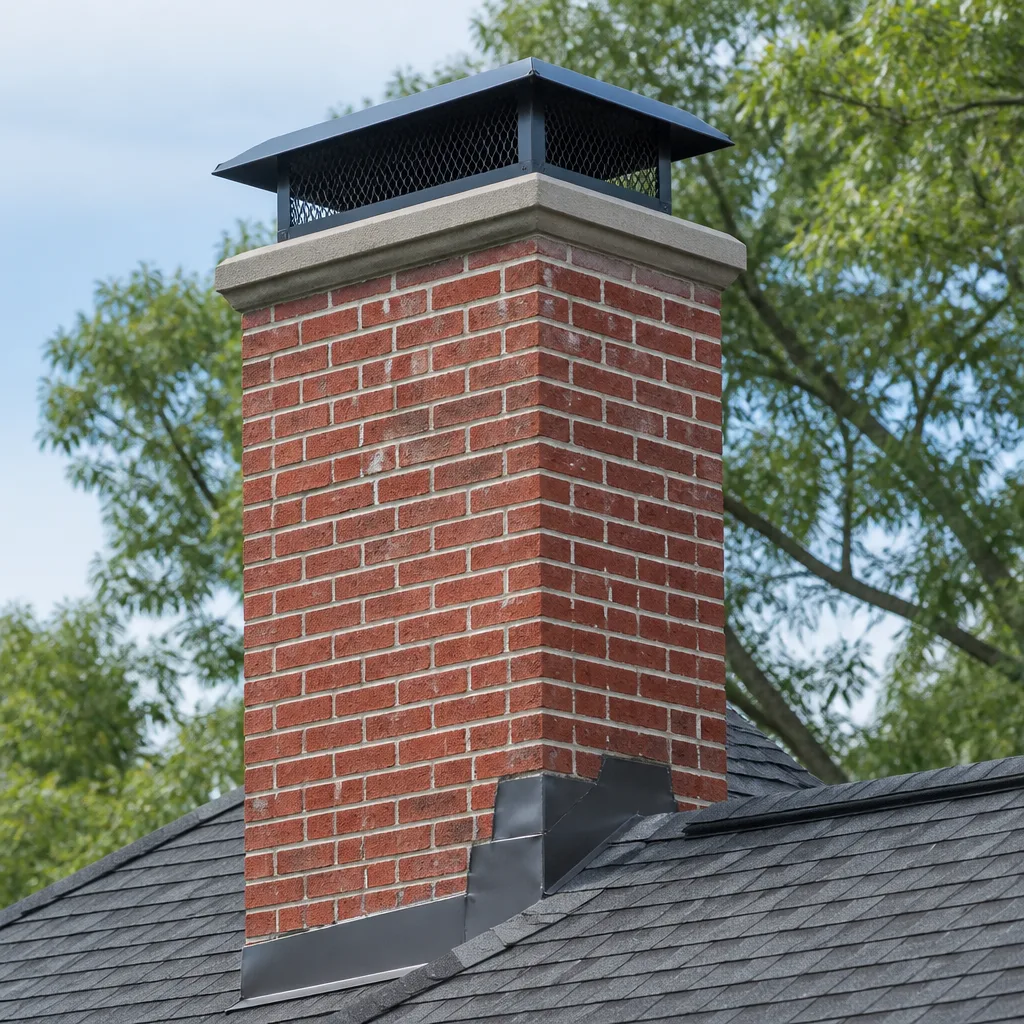 Caps & crowns
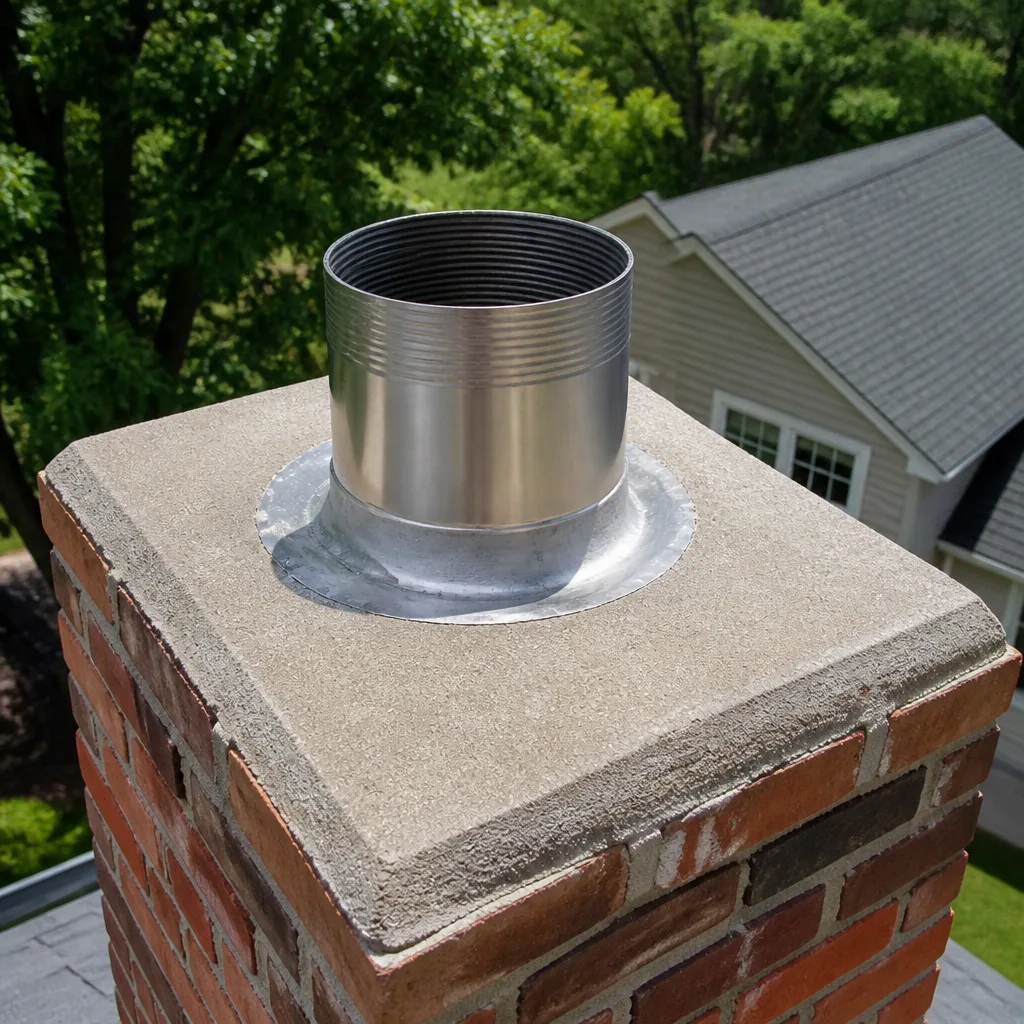 Flue relining
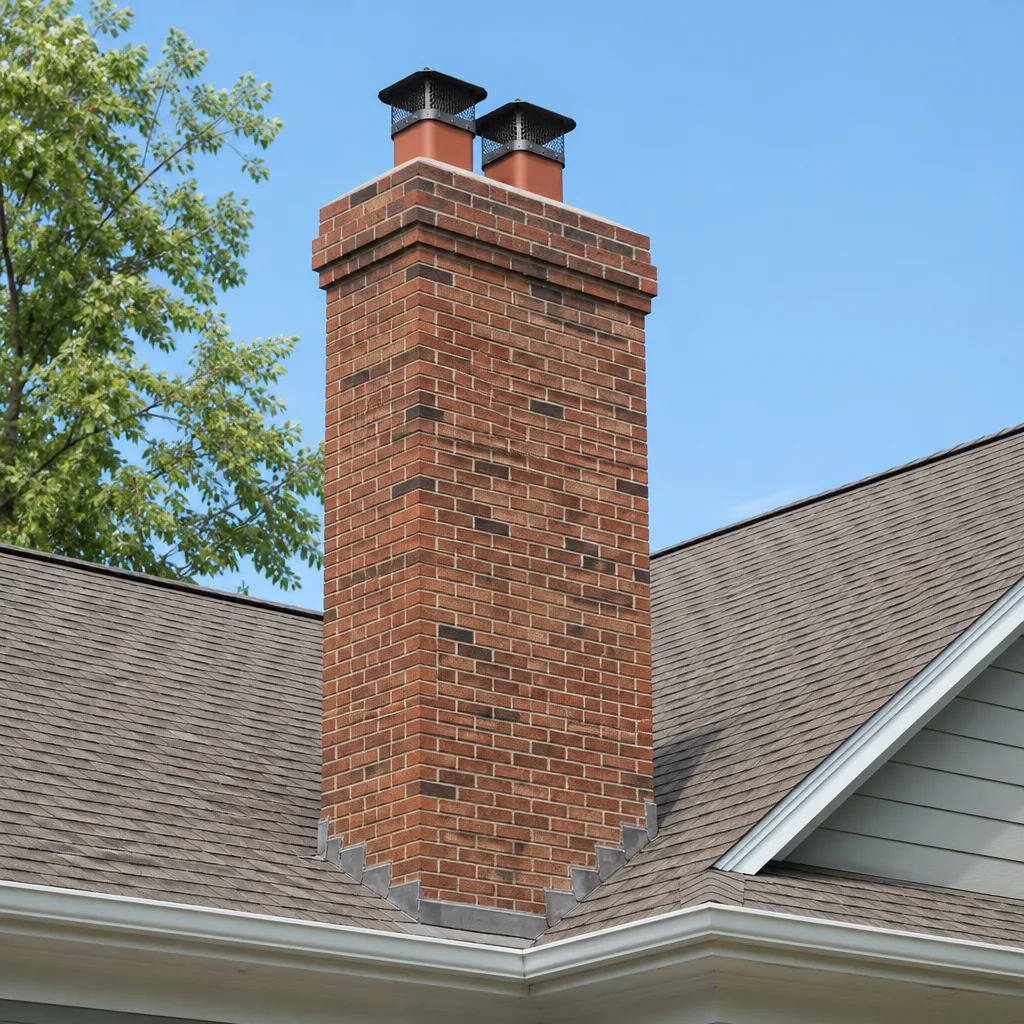 Masonry repair
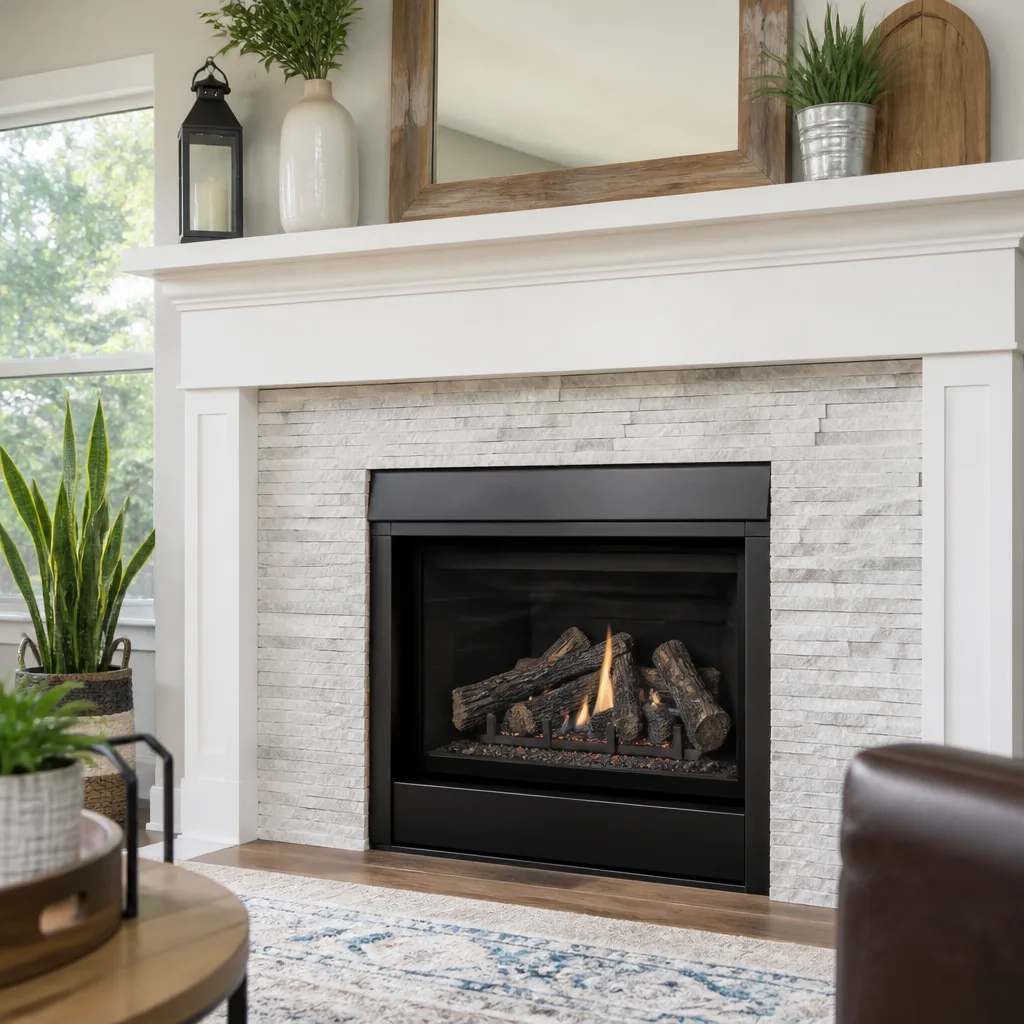 Gas fireplace service
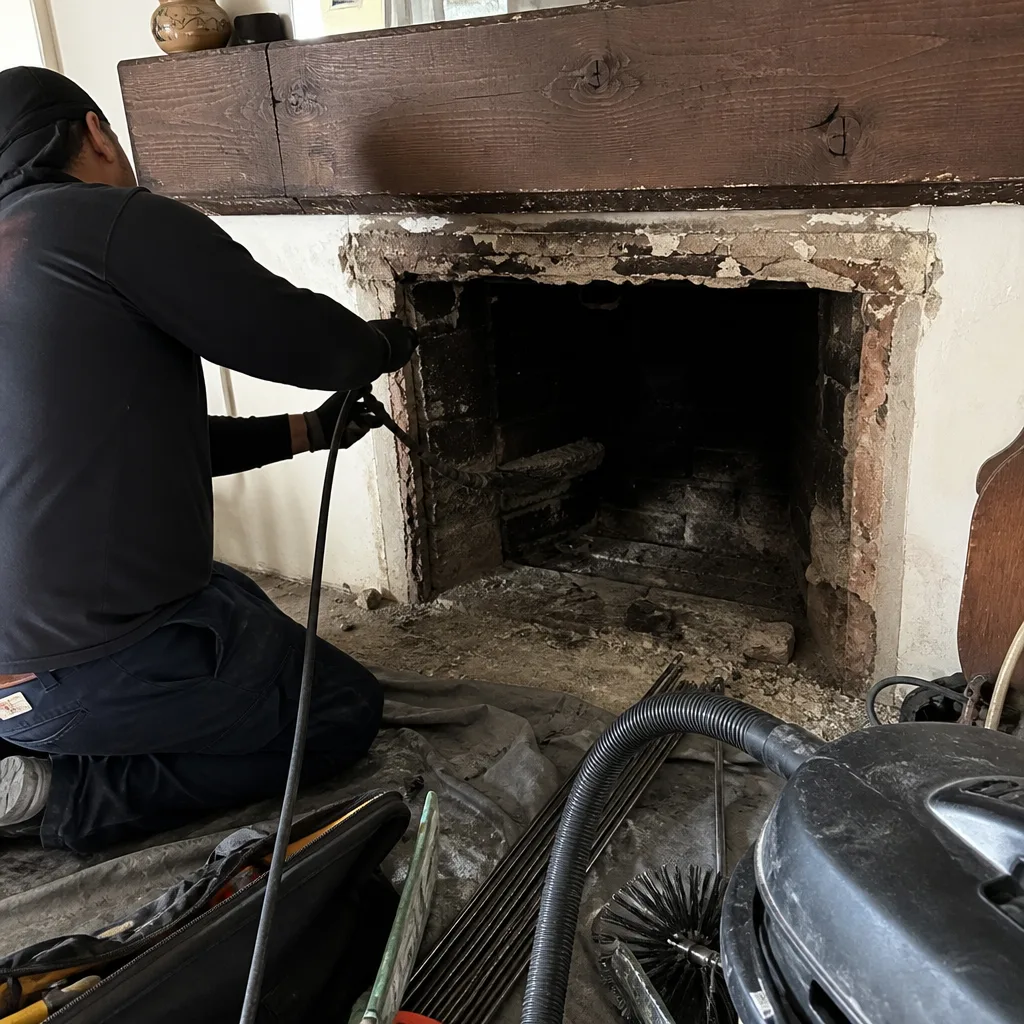
Level 1 sweep and inspection to the NFPA 211 annual standard - flue, crown, cap, and flashing checked and photographed
Chimney sweep logs do not sweep chimneys. They loosen some creosote - which then falls where a brush and vacuum still have to collect it.
Seasonal Chimney Cleaning Care for Montecito Heights: Year-Round Homeowner’s Guide
Most chimney care guides assume four seasons, a harsh winter, and a fireplace that burns daily for months. Montecito Heights doesn’t work that way. We get maybe ninety days of intermittent fire use, about fifteen inches of rain that all arrives within eight weeks, and a fire season that no longer has a clear end date. This guide is built around what actually happens to chimneys in this neighborhood: Santa Ana winds, dry air, steep hillside lots, and the reality that a fireplace sitting unused for eight months can fail just as thoroughly as one that burns every night.
You’ll learn what to do in each season, when it’s safe to skip a step, when skipping becomes a fire hazard, and how to read the early warning signs your chimney gives you before a problem becomes a five-thousand-dollar repair. Written from a Montecito Heights perspective, with the specific climate patterns and housing stock of this neighborhood in mind, and designed as a companion to our more guides & resources.
Quick Answer
The single most important chimney maintenance task in Montecito Heights is an annual sweep and inspection scheduled in late September or early October, before Santa Ana season and before the fireplace season opens, and understanding the Chimney Cleaning Cost Breakdown: The Montecito Heights Homeowner’s Reference for 2026 helps you budget for it. It’s the cheapest insurance you’ll buy for your home: under $250 for a routine sweep, compared to $2,000 – $8,000 for a liner replacement or $10,000+ for major masonry repair after a chimney fire. Year-round, the critical checks are: cap and crown integrity (especially after Santa Anas), mortar joints (through summer heat), and flue condition before the first winter fire. If you do nothing else, do the October inspection.
Styles & brands we work with
- Sweep & inspection
- Caps & crowns
- Flue relining
- Masonry repair
- Gas fireplace service
Table of Contents
- Fall: October Is the Month That Matters Most
- Winter: What to Watch During Active Burn Season
- Spring: The Post-Season That Prevents Summer Damage
- Summer: What Dry Heat Does to Your Chimney
- Year-Round: Wildfire Smoke and Your Flue
- Safe DIY Inspections You Can Do Between Sweeps
- Common Mistakes to Avoid
- When to Call a Professional
- Frequently Asked Questions
Fall: October Is the Month That Matters Most
In Montecito Heights, October is not just another month on the chimney care calendar. It’s the entire window. Santa Ana winds typically begin in October and strengthen into November. Once they arrive, we see two things happen quickly: chimney caps get dislodged or damaged by wind, and every chimney company in Northeast LA gets booked solid. If you wait until the first cold night in November, you’re competing for an inspection slot with thousands of other homeowners who did the same thing.
What should a Montecito Heights homeowner do in October?
- Book the annual sweep and inspection. A routine sweep takes forty-five minutes to an hour and typically costs $180 – $300 in this market. The inspection that comes with it is what actually matters: it checks the flue liner for cracks, the cap for physical damage, the crown for hairline fractures, and the damper for proper function.
- Check the spark arrestor screen on your chimney cap. Santa Anas carry debris and can tear fine mesh. A torn screen means embers can escape onto your roof, or birds and rodents can enter the flue.
- Test your damper before you need it. Open and close it. Stiffness is normal after a summer of disuse. A damper that won’t close at all, or that has visible warping, needs attention before you start burning.
- Walk the roof line if it’s safe to do so and look for cracked or missing mortar on the chimney crown. Don’t climb a roof on a windy day or if your roof is steep. A set of binoculars from the yard works fine for a visual check.
We’ve seen the consequences of skipping this month in Montecito Heights too many times to count: a family lights their first fire of the season in December, the flue has a crack from last year’s late-spring dampness, and smoke starts seeping through the walls. That’s a call we don’t want you making under emergency conditions. The Chimney Sweep in Montecito Heights page explains what a full inspection covers, but the takeaway here is simple: October is when it happens.
One more fall-specific note, because it’s rare in most guides but common here: October can still deliver 90-degree days. Don’t let the heat convince you winter is far away. The flip happens fast. One good rainstorm or a cold snap in mid-November, and suddenly your fireplace is the most used appliance in the house. By then, chimney crews are two weeks out minimum.
Winter: What to Watch During Active Burn Season
Montecito Heights winter burning is fundamentally different from what happens in colder parts of the country. We burn for a few hours in the evening, maybe on weekends, maybe only when the temperature drops below fifty. That pattern, while it seems gentle, creates its own set of problems that daily burners never see.
The biggest issue: incomplete combustion. When fires are short and occasional, the flue never reaches the sustained high temperatures that push water vapor and unburned carbon all the way out. The result is a cool, lazy fire that deposits creosote faster than a hot, roaring fire does. Homeowners in Montecito Heights often assume their occasional fires mean less buildup. The reality is the opposite: sporadic, low-temperature fires are among the fastest creosote producers we see. If you burn twice a week and only for three hours each time, you may have more creosote by March than a Vermont homeowner who burns twelve hours a day all winter.
Signs of incomplete combustion during the burn season:
- A smoky smell in the house during or after a fire
- Black, tar-like streaks running down the inside of the firebox
- A fire that’s hard to start and dies quickly, even with dry wood
- Visible smoke from the chimney that’s thick and dark instead of thin and pale
- Dampness around the damper or mysterious rust stains in the firebox
If you see any of these, stop burning and schedule an inspection before the next fire. A chimney fire doesn’t always look like the dramatic event people imagine. Many chimney fires burn quietly inside the flue at high temperature, cracking the liner and damaging the masonry without flames ever visible from outside. They sound like a distant freight train or a low rumble. If you ever hear that sound while burning, call 911 first, then call us after.
Winter rain is another Montecito Heights specific. When it rains, look for water streaks or dampness inside the firebox within twenty-four hours. That indicates a crown or cap problem. Rain water that makes it down the flue mixes with creosote to form an acidic slurry that eats away at mortar and liner materials. A damp firebox after rain is never “just from the weather.” In our experience, it’s almost always a cap or crown failure at the top. The Chimney Repair in Montecito Heights page covers crown repair options if you catch it early, before the water damage compounds.
Spring: The Post-Season That Prevents Summer Damage
March in Montecito Heights is when most homeowners stop thinking about their chimneys entirely. Fireplace goes dark. Doors close. The chimney becomes an architectural detail again. But the spring transition, April through May, is exactly when moisture and pest damage takes hold, quietly, all summer long.
The key spring task is a post-season sweep. Most homeowners skip this because they’d rather spend the money in October. Here’s the thing: creosote left in the flue all summer doesn’t just sit there. It’s hygroscopic, meaning it absorbs moisture from the air. Over six hot months, that creosote goes through cycles of absorbing early-morning moisture and drying out in afternoon heat. Each cycle lets it expand, contract, and slowly work its way into the pores of your flue liner or mortar. By October, the residue is more difficult to remove and has done more damage than it would have if removed in April. A post-burn-season sweep means a cleaner, safer flue going into the long dry season, and honestly, it makes the October inspection faster and cheaper.
Spring is also pest season in Montecito Heights, and chimneys are the front door. Raccoons in the hills above the neighborhood, chimney swifts, squirrels, and even bees will find an open flue or a missing cap fast. Signs of pest entry: scratching sounds in the walls near the chimney, droppings in the ash pit, or the distinct smell of a nest positioned at the top of the flue. A properly functioning cap with an intact spark arrestor screen solves almost all of this. If your cap is damaged, even slightly, spring is when you’ll learn about it.
What to do in spring if you burn at all during winter:
- Open the damper and visually scan the firebox and lower flue area with a flashlight
- Look for rust, white efflorescence (salt deposits from water), or crumbling mortar
- Check the exterior chimney from the yard for new cracks, spalling bricks, or cap damage
- If you burned more than ten fires between November and March, book a post-season sweep
- If you didn’t burn at all, skip the sweep but still do the visual inspection
We don’t recommend a full post-season sweep for everyone. If you burned three fires all winter, the buildup is minimal and October will be fine. But if you used your fireplace regularly, even twenty short fires, a spring sweep will remove acidic creosote before it has six months to lodge itself into your flue. You also go into fire season with one less hazard inside your house.
Summer: What Dry Heat Does to Your Chimney
Montecito Heights doesn’t get the brutal summers of the Inland Empire or the Desert, but we get something equally destructive: long, dry stretches with low humidity, relentless sun exposure, and temperature swings between hot afternoons and cool canyon nights. For a chimney, that’s a stress test. Masonry expands in the heat of the day and contracts at night. The crown, mortar joints, and brick faces all move slightly, every single day, for five or six months straight.
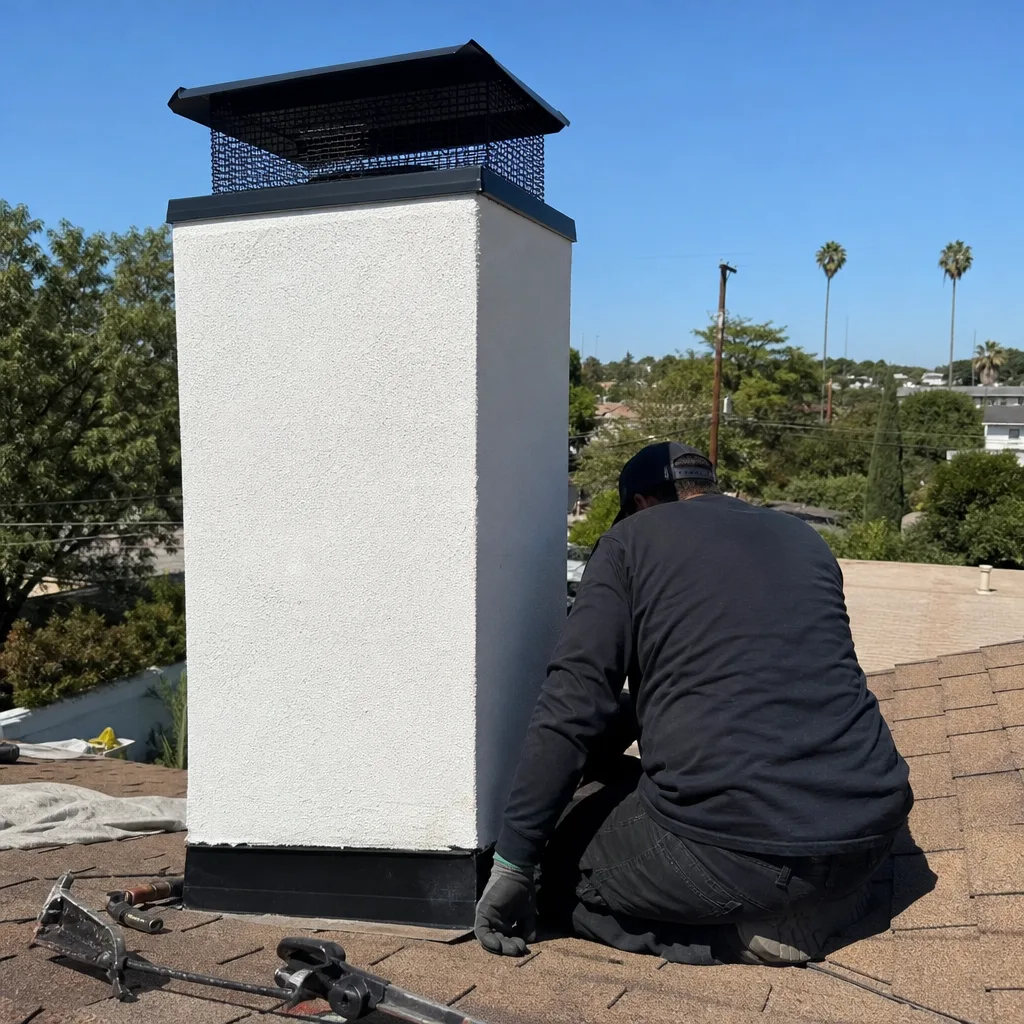
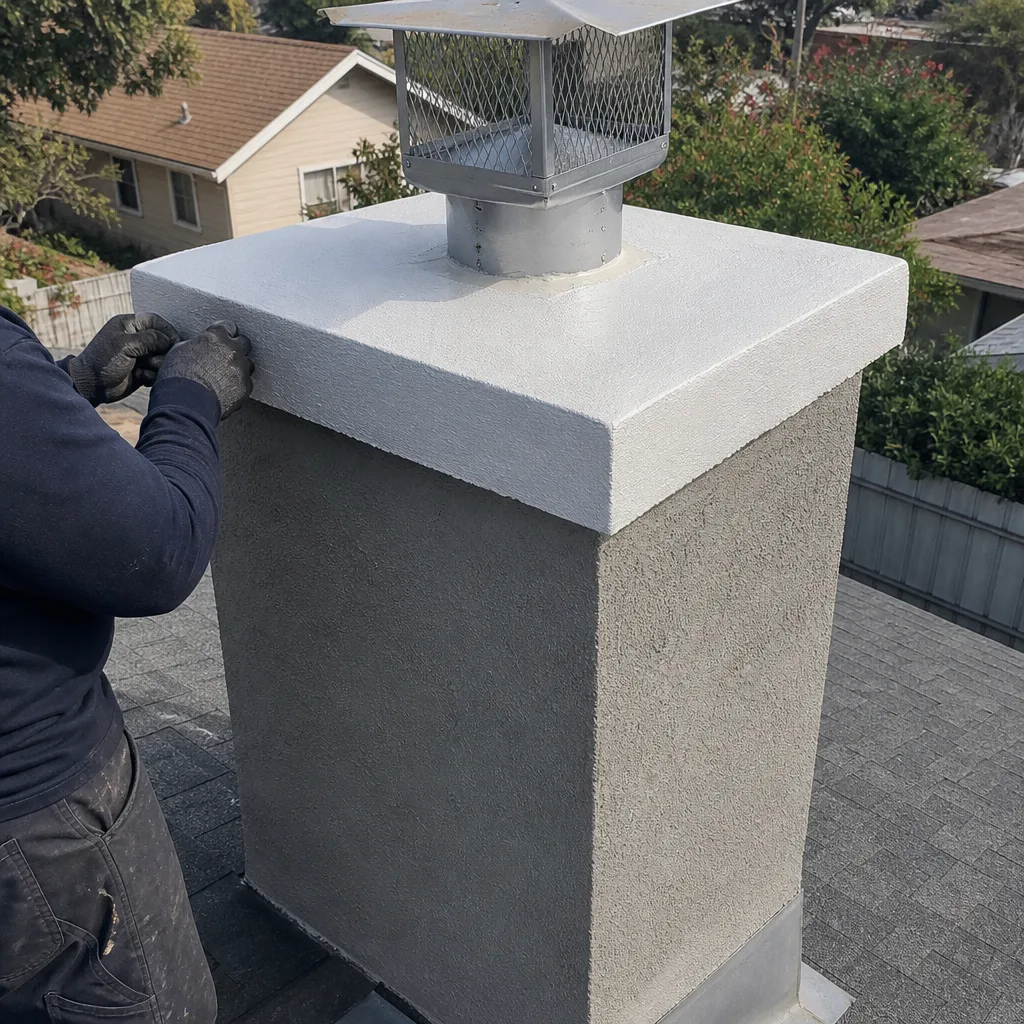
What fails first in LA heat? The crown. The chimney crown is the concrete surface at the top of the chimney that sheds water off the sides. It’s exposed to more direct sun than any other exterior masonry surface on your home. After a decade of Montecito Heights summers, most crowns show hairline cracks from thermal expansion. Those hairline cracks let water in during winter rains. The water carries dissolved minerals into the mortar. Then the next summer’s heat expands the moisture, and the cracks widen. This is the classic cycle that turns a $400 crown repair into a $4,000 masonry rebuild.
Prefabricated metal chimneys aren’t immune. Summer heat can warp thin metal chase covers and drip pans. If you have a wood-framed chimney chase with a metal top, check the top surface in July or August for sagging, rusting, or screws that have backed out. High heat can also dry out and crack the silicone sealant around the pipe flashing on your roof. Those failures are silent. You won’t know anything is wrong until the first real rain of November and suddenly there’s a water stain on the ceiling near the fireplace.
What to do in summer:
- Use binoculars to inspect the crown for new hairline cracks (look for a spiderweb pattern)
- Check for spalling: small pieces of brick face flaking off onto the roof or ground
- Inspect the flashing where the chimney meets the roof for lifted or cracked sealant
- Look inside your home near the fireplace for any new water stains or musty smell
- If you have an older house with unlined terra cotta flue tiles, summer is a good time for a camera inspection; heat-expanded clay tiles crack without producing any visible sign from outside
Summer is also when we recommend our dryer vent check for Montecito Heights homes, and Dryer Vent Cleaning in Montecito Heights walks through that process. Dryer vents and chimneys fail in the same summer way: lint and residue bake in place during the dry season, becoming compacted and harder to clear, and the first fall use of the dryer or fireplace pushes air past an obstruction that’s had months to harden. Summer is the perfect off-season for both services, because there’s no urgency, no backlog, and the work gets done right.
Year-Round: Wildfire Smoke and Your Flue
Montecito Heights sits in an urban wildland-adjacent zone. We’re not in the heart of the burn zone, but we’re downwind of it. When fires burn in the Angeles National Forest, the San Gabriels, or the Verdugos, our neighborhood gets smoke for days, sometimes weeks. That smoke doesn’t just make the air hazy. It passes through your chimney, especially if you have a natural draft pulling air down the flue into the house.
Wildfire smoke is not the same as chimney smoke from a fire in your firebox. Wildfire smoke carries fine particulates, localized high levels of carbon, resins from burning vegetation, and in some years, residue from burned structures. When that smoke moves through your flue and cools on the way down, it leaves a fine powdery film on the flue walls. Over months of recurring smoke events, that film accumulates. It’s not creosote, but it changes the chemistry inside the flue. It reduces the clear passage area. And if you then have an actual fire in your fireplace, that smoke residue can ignite at a lower temperature than expected, contributing to a chimney fire risk that didn’t exist before.
Does every wildfire smoke event require a sweep? No. But if you’ve had notable smoke exposure in Montecito Heights, the fall pre-season inspection should include a note to the sweep technician that your home was downwind of smoke events. A technician who knows that will do a more careful camera inspection and evaluate not just creosote but any film or particulate buildup in the flue. We see this in our work regularly. Homes in the hills closer to Debs Park or the Arroyo Seco get more wildfire smoke drainage than homes further west.
Year-round wildfire smoke also means checking your chimney cap for ember intrusion. During active fire events, embers can travel surprisingly far. A cap with an intact spark arrestor screen is your first line of defense against airborne embers entering the flue and finding a nest, a creosote deposit, or worse. If you ever hear ash falling into the firebox during a wind event, even without a nearby fire, that’s a sign your cap has failed and is no longer filtering particulate properly.
There’s a broader point here. Most chimney guides are written for places with distinct winters and predictable burn seasons. Montecito Heights homeowners have to be thinking about the chimney year-round because the risk factors here operate year-round. Wildfire season now effectively overlaps with everything else. The guide that serves homeowners in this neighborhood is the one that doesn’t treat the chimney as a seasonal appliance at all.
Safe DIY Inspections You Can Do Between Sweeps
There’s real value in knowing what to look for yourself, without ever climbing on a roof or touching a flue. A homeowner in Montecito Heights who knows the early warning signs will catch problems a full year before a homeowner who only thinks about the chimney in October. Here’s what you can safely do between professional inspections.
Step 1: The Ground-Level Exterior Check
Stand in your yard or across the street and use binoculars to inspect the chimney from top to bottom. Look for: missing or cracked bricks, white salt-like staining (efflorescence), dark vertical streaks, a tilted or dented cap, or vegetation growing out of the mortar joints. Any of these is a reason to call.
Step 2: The Firebox Interior Check (Flashlight Only)
Open the damper and shine a bright flashlight up into the flue. You’ll see a few feet at most. Look for: thick black or brown shiny buildup (creosote), white crusty deposits, any flaking material, or debris obstruction at the base. If you see shiny black residue thicker than a nickel, that flue needs a sweep before the next fire. Don’t stick your head in the firebox. Don’t touch residue. Just look.
Step 3: The Rain Test (Fall and Winter Only)
After a rainstorm, check inside the firebox within twenty-four hours. Any moisture, dampness, dripping, or water staining on the back firebox wall means water is entering from above. Note the location. That information helps a technician diagnose whether the problem is crown, cap, flashing, or masonry porosity.
Step 4: The Light Test (For the Top of the Flue)
On a clear day, with the damper fully open and the room darkened, look up the flue from the firebox. You should see a small patch of daylight at the very top. If you see no light, there’s an obstruction: a bird nest, a collapsed flue tile, or accumulated creosote. This is an immediate call situation, not a wait-until-October situation.
These four checks take fifteen minutes total and require nothing but your eyes and a flashlight. All the genuinely dangerous work, anything involving a ladder on a hillside lot, anything involving rope access, any interior flue cleaning beyond a visual, should be left to someone with the training and equipment. Chimney work on Montecito Heights hillside homes is not a DIY category. We’ve been called out to homes after a well-meaning homeowner slipped on a steep roof or dropped a brush down the flue and couldn’t retrieve it. The Ironwood Chimney Sweep home page covers all three of our service areas: sweep, repair, and dryer vent.
Common Mistakes to Avoid
- Waiting until the first cold night to book an inspection. In Montecito Heights, that means calling during peak scheduling backlog. The crew you want is booked. The one available immediately is available for a reason. October is when the window is still open. By Thanksgiving, you’re either waiting or compromising.
- Assuming occasional fires mean less maintenance. This bears repeating. Short, low-temp fires produce proportionally more creosote than long, hot fires do. Burning “just on weekends” is not a maintenance reduction. In some flues, it’s a maintenance multiplier.
- Neglecting the cap because it’s “just a cover.” The cap is the most exposed component on your chimney and the most commonly damaged by Santa Ana winds. A damaged cap invites water, pests, and embers. It’s the single most frequent repair we do after windy months.
- Painting over water stains on the ceiling near the chimney. That stain is diagnostic. Painting over it hides the evidence. Find the leak source first. Interior water damage near a chimney is almost always a flashing, crown, or cap failure at the roof line, even if the stain doesn’t appear until months after the rain.
- Skipping the dryer vent because “it’s not a chimney.” Dryer vents are the leading fire hazard most homes ignore. A lint-clogged vent is more likely to start a fire than a dirty chimney in most modern homes. If you’re scheduling a chimney sweep and your dryer vent hasn’t been cleaned in more than two years, you’re leaving the more dangerous fire source unaddressed.
- Assuming a masonry chimney is permanent and doesn’t move. Montecito Heights gets thermal expansion stress every day year-round. Mortar joints, crowns, and brick faces are slowly degrading even when the fireplace sits unused. That’s not a flaw in construction. It’s physics. The fireplace not being used doesn’t mean the chimney doesn’t need attention.
When to Call a Professional
Some things are obvious: smoke backing up into the house, visible water inside the firebox, debris falling into the fireplace. Those are calls you make today, not next season. Other signs are less dramatic but just as urgent: a musty smell from the chimney even when dry, white staining on exterior bricks, a damper that won’t close, rust inside the firebox. If you heard a low rumble from the chimney during a fire, call a professional before using the fireplace again, even if the fire seemed fine afterward. A chimney fire can leave hairline cracks in the flue liner that create an invisible hazard for the next fire. When in doubt, call. Ironwood Chimney Sweep offers free estimates in Montecito Heights, call (866) 282-3944.
Frequently Asked Questions
Annually for any fireplace used more than ten times per season. In Montecito Heights, we recommend the sweep happen in the fall, before Santa Ana season and before burn season. If you burn heavily or notice black shiny buildup during a flashlight check, a second spring sweep is worth booking. This market’s short, sporadic burn pattern produces creosote faster than many homeowners expect.
A routine sweep and inspection in this market typically costs between $180 and $300, depending on flue height, accessibility, and whether animal nesting or major creosote removal is needed. A Level 1 inspection is usually included. A camera inspection, if recommended, runs higher. Repairs, if needed, are priced separately. For an exact quote for your specific chimney and roof access situation, call (866) 282-3944 for a free estimate.
Creosote builds up on the flue walls. In sporadic burners, that buildup is stickier and more voluminous than in daily burners. Once the layer exceeds about a quarter inch, any spark can ignite it. A chimney fire burns hot enough inside the flue to crack terra cotta tiles, damage steel liners, and spread to the house through the framing. It’s a risk that compounds every season the sweep is skipped, not a binary failure that happens all at once. Call us at (866) 282-3944 if you’ve skipped more than one season; don’t let the second skip become the third.
You only need a new liner if the existing one is cracked, perforated, or no longer rated for the appliance you’re using. A good sweep company will show you camera evidence of the damage before recommending any replacement. At Ironwood, we recommend liner replacement only when there’s video proof of a failure, and we spec the right system for the flue, whether that’s a DuraFlex stainless liner for a wood-burning fireplace or a HeatShield resurfacing for masonry that’s still sound. If a company won’t show you camera footage before quoting a liner, get a second opinion. Estimates are free, call (866) 282-3944 and we’ll put a camera in the flue and show you exactly what we’re seeing.
No. Dryer vents are the leading cause of house fires that homeowners consistently ignore. A dryer vent clogged with lint is a contained fire just waiting for a spark. If your dryer takes more than one cycle to dry a normal load, if the dryer feels excessively hot to the touch, or if you can’t remember the last time the vent was cleaned, that vent needs attention. We handle both your chimney and your dryer vent under one call, because both are fire hazard points in the same house and both fail silently.
This neighborhood’s combination of hillside lots, older housing stock, Santa Ana exposure, and proximity to wildfire zones changes the maintenance picture. Rooftop work on hillside homes often requires more careful access. Santa Anas damage caps and crowns more aggressively here than in flatter neighborhoods. Wildfire smoke drifting through the neighborhood deposits residue in flues even for homes that never use their fireplace. And the thermal cycling on older Montecito Heights masonry is more extreme because of the temperature swings over the canyon. It’s not just about burning.
The Bottom Line
What matters in Montecito Heights is not the traditional seasonal rhythm but a year-round awareness. Book the sweep in October before Santa Anas close the window. Watch for incomplete combustion through the burn season, especially if your fires are short. Do a spring visual to catch crown and cap damage before summer heat stress compounds it. Use the dry months for off-season dryer vent service and camera inspections. If you do those four things, your chimney will outlast the house around it. If you do none of them, the first sign of trouble will arrive as an emergency. Call (866) 282-3944 for a free estimate and get on the calendar before the October rush.
Written by the team at Ironwood Chimney Sweep, serving Montecito Heights since 2013.
See the difference
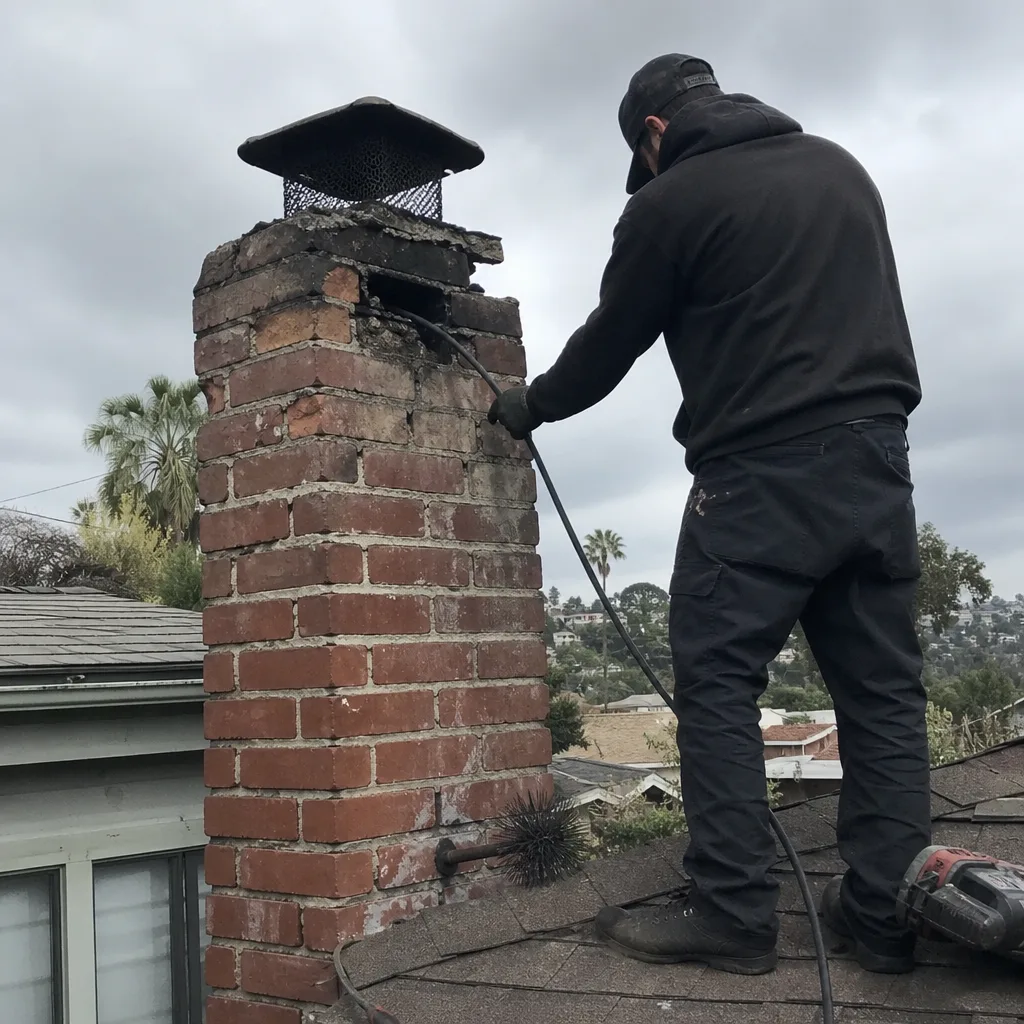 Before
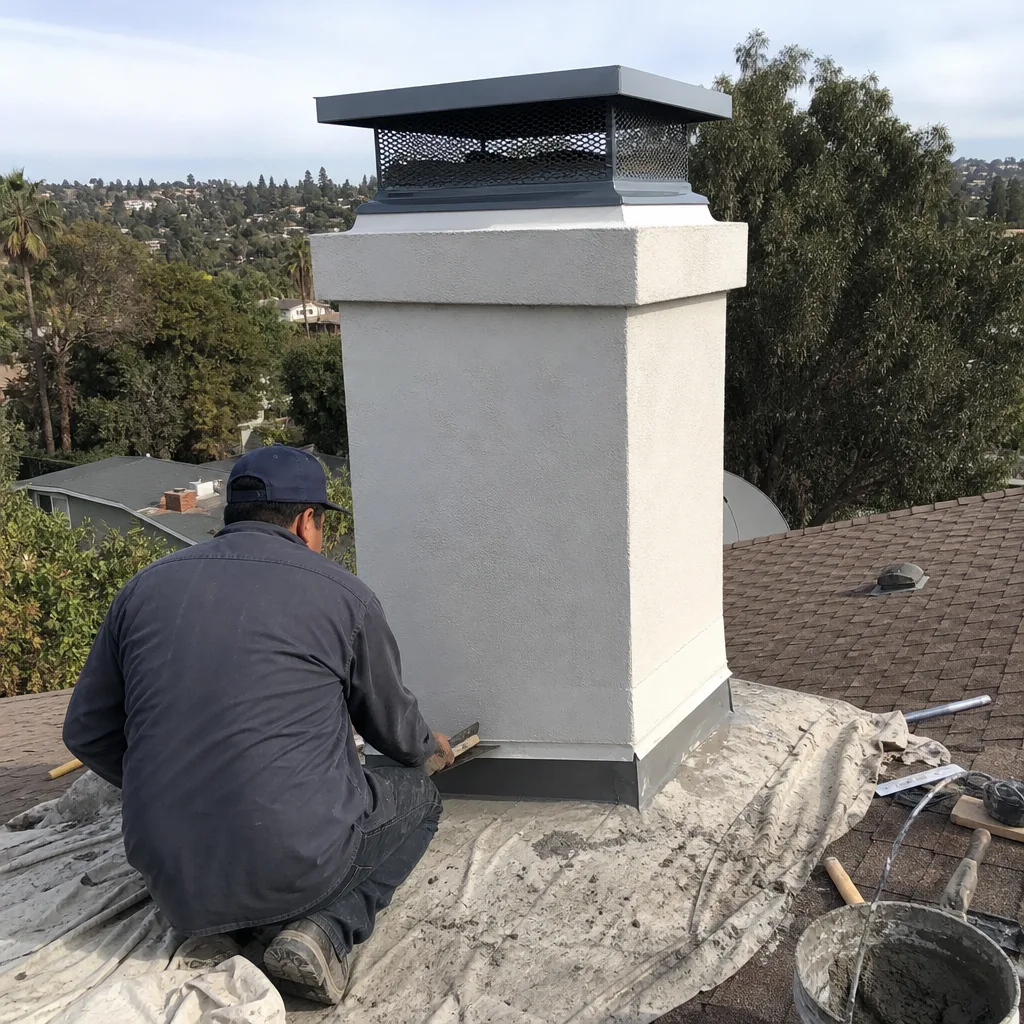 After
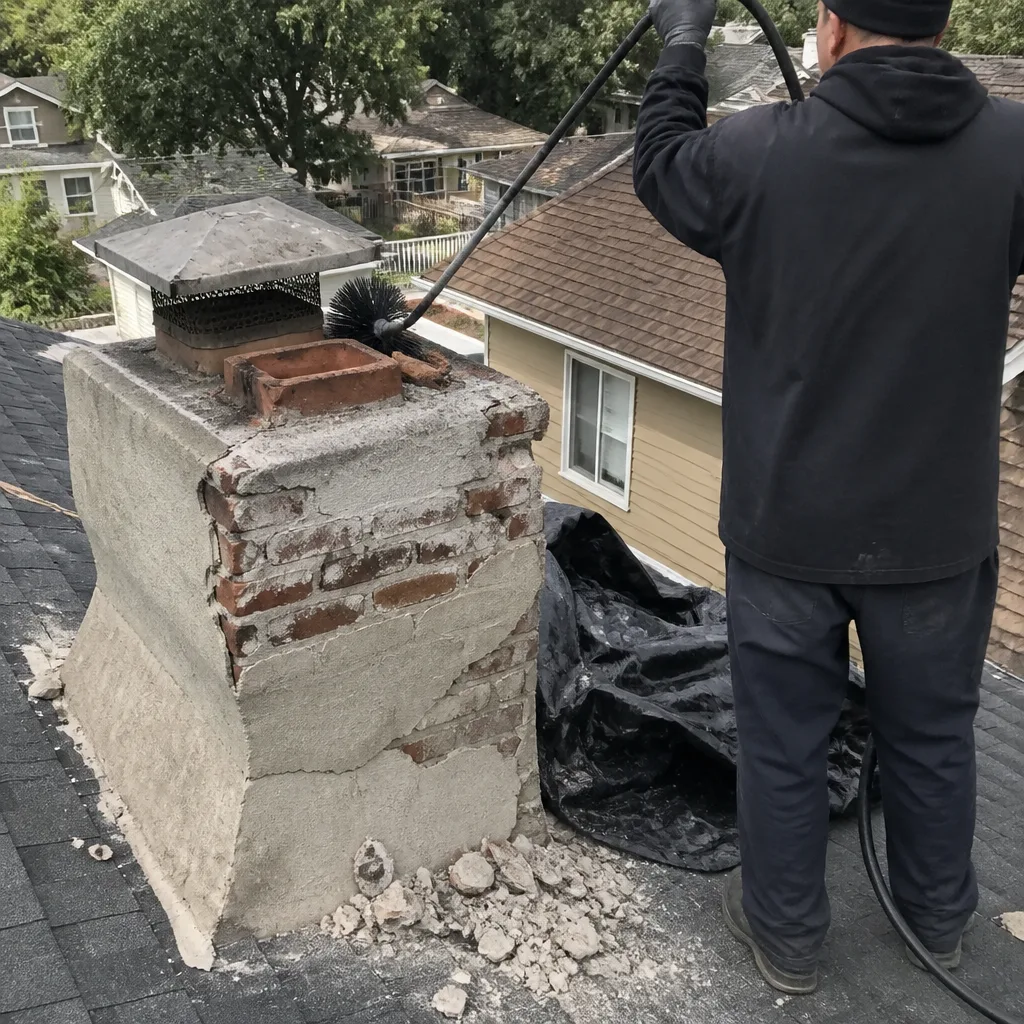 Before
 After
 Before
 After