
Last updated November 2, 2026
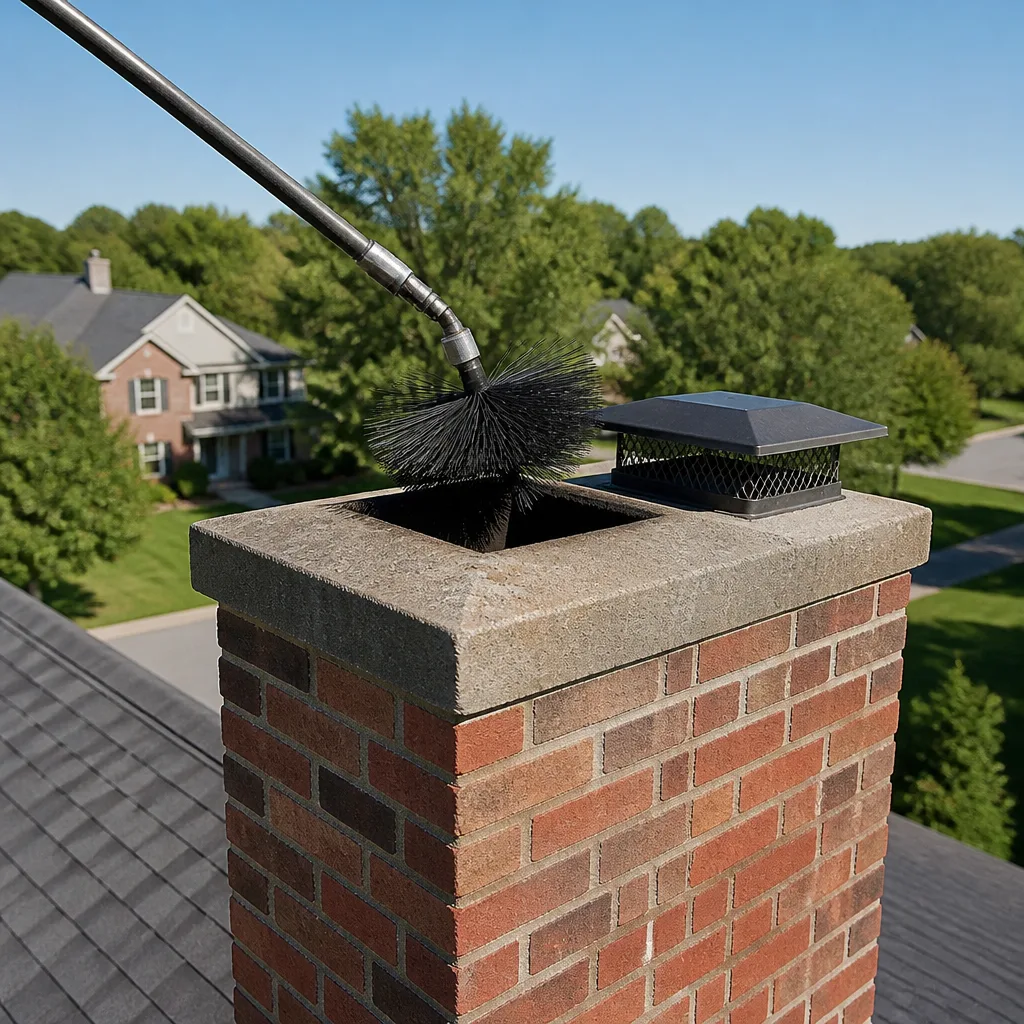 Sweep & inspection
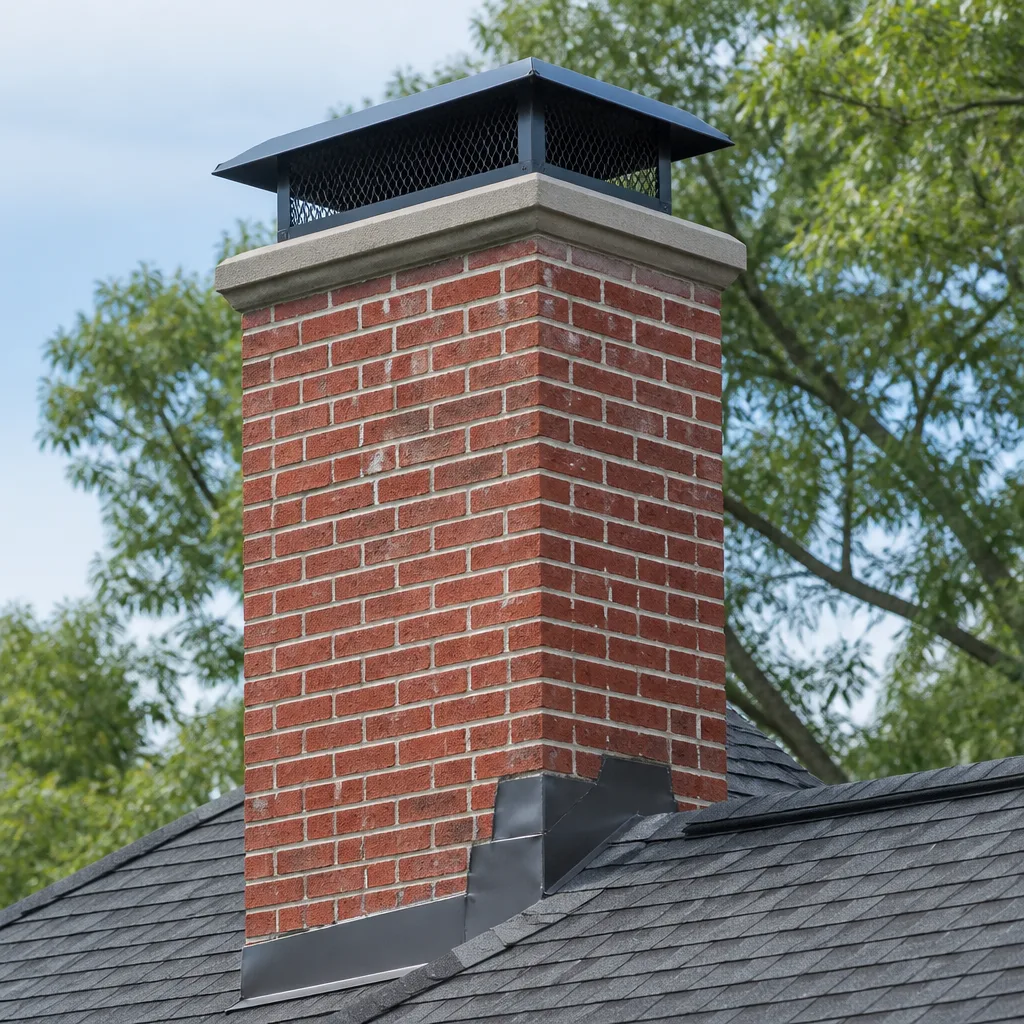 Caps & crowns
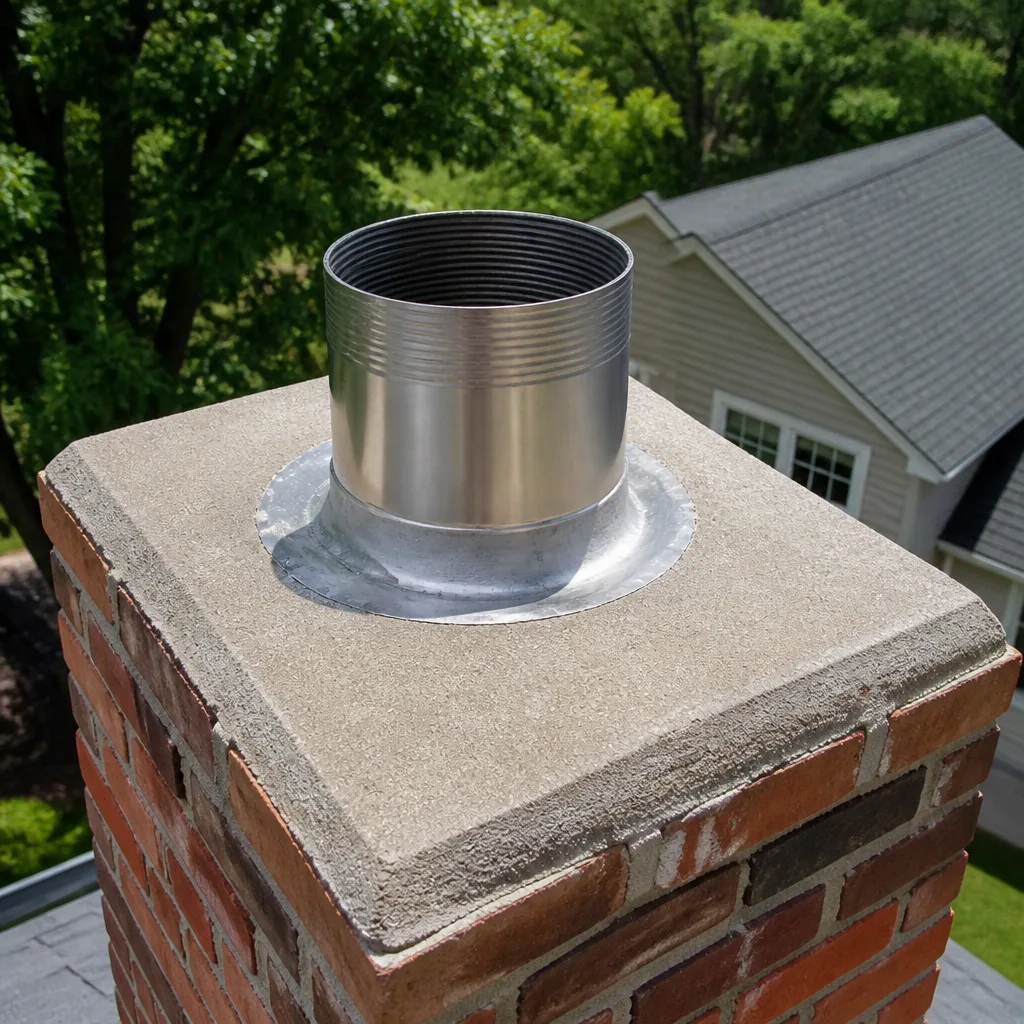 Flue relining
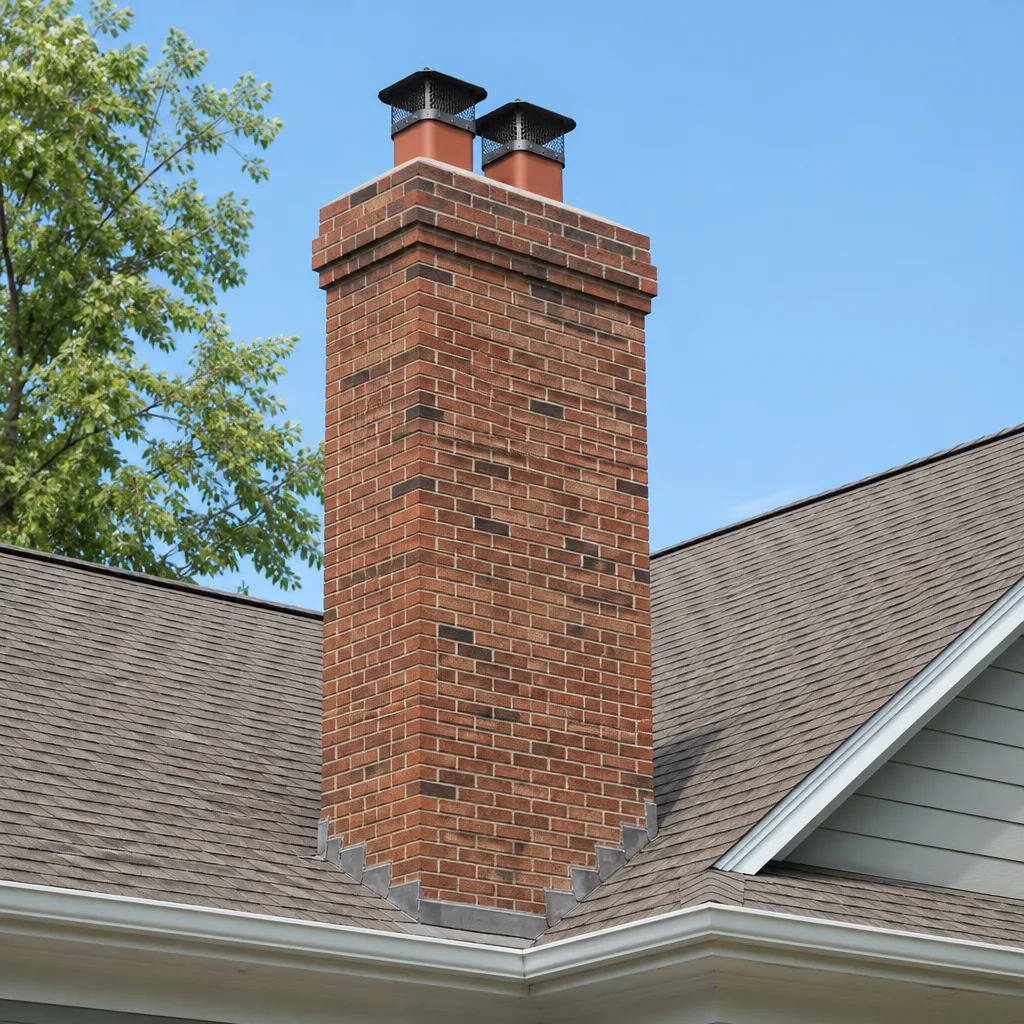 Masonry repair
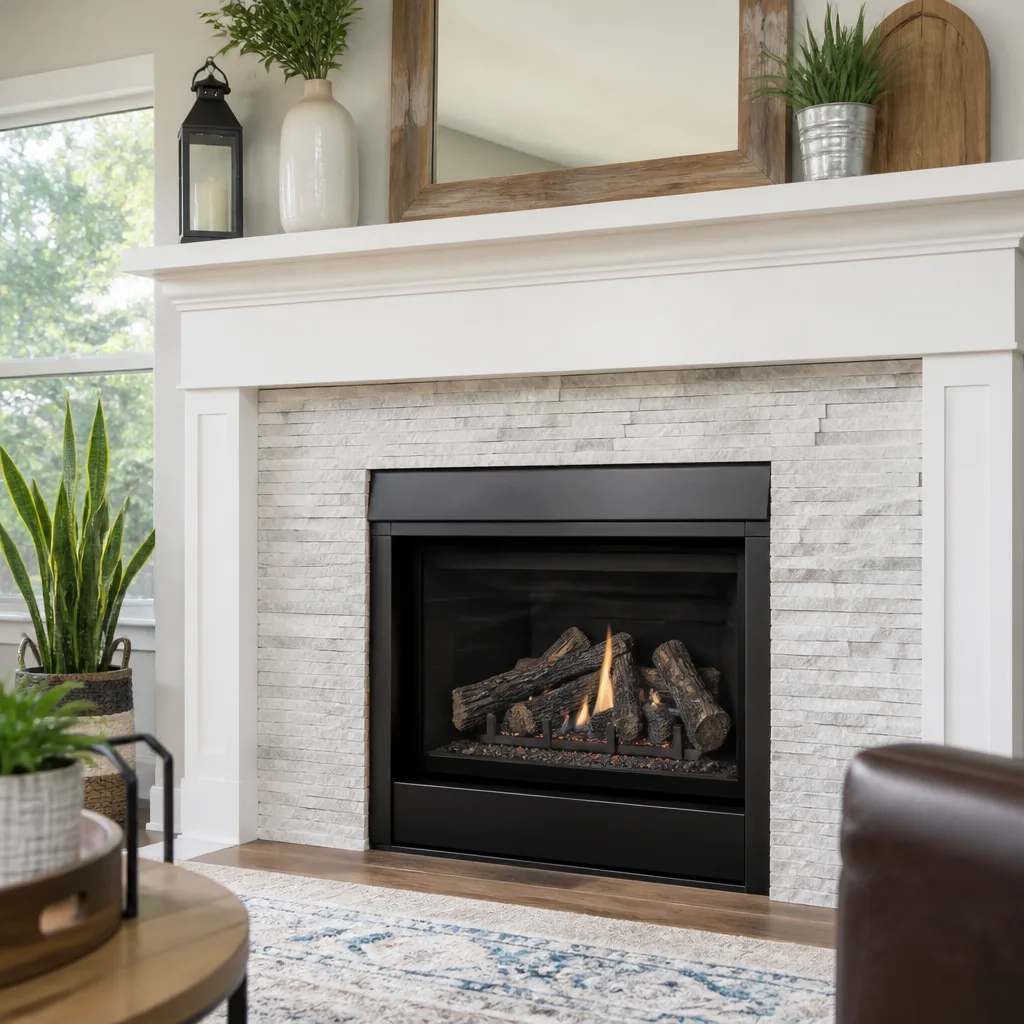 Gas fireplace service
Level 1 sweep and inspection to the NFPA 211 annual standard - flue, crown, cap, and flashing checked and photographed
Chimney sweep logs do not sweep chimneys. They loosen some creosote - which then falls where a brush and vacuum still have to collect it.
Chimney Cleaning Permits, Codes & Inspections in CA: What You Need to Know
Homeowners who had fireplace work done without permits in California have been required to disclose it at sale, and in some cases, had to tear out and redo the work entirely. Most of them didn’t know a permit was required in the first place. They assumed a chimney is a chimney, and anything short of knocking it down is just maintenance. That assumption has cost people tens of thousands of dollars. This guide unpacks what the California Residential Code actually says, where cleaning ends and permitted work begins, and what inspectors in Montecito Heights and greater Los Angeles County look for when they sign off on a chimney. By the end, you’ll know exactly which jobs need paperwork and which ones don’t.
Styles & brands we work with
- Sweep & inspection
- Caps & crowns
- Flue relining
- Masonry repair
- Gas fireplace service
Quick Answer
A routine chimney sweep in California does not require a permit, and no inspection is mandatory after one. But the moment work moves beyond cleaning, into repair, relining, rebuilding, or structural modification, you cross into California Residential Code territory where permits and inspections are often required by law, particularly in Los Angeles County. The key distinction is between maintenance and alteration, and knowing where that line sits is what protects you at resale and on insurance claims.
Table of Contents
- Cleaning vs. Alteration: Where the Permit Line Actually Sits
- Los Angeles County Permit Triggers for Chimney Work
- How Title 24 Energy Code Affects Chimney Sealing, Dampers, and Gas Inserts
- Insurance Implications of Unpermitted Chimney Work in California
- What a Code-Compliant Chimney Inspection Report Must Include for LA County Real Estate
- How Often Should a Chimney Be Inspected in Montecito Heights?
- Common Mistakes to Avoid
- When to Call a Professional
- Frequently Asked Questions
- The Bottom Line
Cleaning vs. Alteration: Where the Permit Line Actually Sits
Under the California Residential Code (CRC), which adopts and amends the International Residential Code, the trigger for a building permit is work that alters, modifies, repairs, adds to, or removes part of a structure. A chimney is part of the structure. Cleaning is not alteration. That’s the simple version.
The harder question is what counts as repair versus maintenance. The state doesn’t hand you a tidy list, but in practice, here’s how the line breaks down:
- Sweeping, brushing, and vacuuming soot or creosote: No permit. This is maintenance, like changing an air filter.
- Replacing a damper plate or damper handle: No permit in most jurisdictions, because you’re swapping a mechanical part, not altering the flue or firebox.
- Patching small cracks in the firebox with refractory mortar (under 1/4 inch wide and not affecting structural stability): Gray area. Most inspectors treat minor firebox pointing as maintenance. In Montecito Heights, where older hillside homes often have original 1940s and 1950s masonry, minor repointing is common and typically does not trigger a permit.
- Installing a new chimney liner, replacing a deteriorated clay tile liner, or resurfacing the flue: Permit required. This is an alteration to the flue system. In Los Angeles County, a stainless steel liner installation or a HeatShield resurfacing job must be permitted and inspected.
- Rebuilding the chimney crown, repointing the exterior brick or stone beyond minor touch-up, or rebuilding any portion of the chimney above the roofline: Permit required. This is structural work.
- Converting a wood-burning fireplace to gas, installing a gas insert, or running new gas line to the firebox: Permit required, and the gas portion requires a separate mechanical permit and pressure test.
In our experience, the single most common point of confusion in Montecito Heights is the chimney liner. Homeowners hear liner and think it’s an insert, like a sleeve that slides in, so it must not count as altering the chimney itself. But the CRC treats any change to the flue pathway as an alteration. If you sell the house and the buyer’s inspector asks for permits on a liner installed in 2019, and there are none, you’ll be repairing that at the closing table.
Los Angeles County Permit Triggers for Chimney Work
Los Angeles County enforces CRC requirements through its Building and Safety Division, and unincorporated areas of the county, including portions of northeast Los Angeles near Montecito Heights, follow county permitting directly. The City of Los Angeles Department of Building and Safety (LADBS) governs incorporated areas, with similar but not identical procedures. The permit triggers, however, track the state code closely.
Here are the specific chimney and fireplace work items LA County treats as permit-required alterations:
- Chimney liner installation or replacement: Any new metal liner, such as a DuraFlex stainless steel system, requires a building permit. The county wants the liner’s UL listing on file and an inspection after installation.
- Flue resurfacing: HeatShield or similar purpose-engineered resurfacing compounds require a permit in LA County, because the work changes the interior dimensions and material of the flue.
- Firebox rebuild or major repair: If more than patch pointing is involved, it’s a permit job. LA County inspectors want to see the firebox built to the clearances specified in the CRC and the manufacturer’s specs.
- Chimney demolition and partial rebuild: Anything that touches the roof line, crown, or brick courses above the throat requires a permit and an inspection at the framing or rough stage before the finish work is closed up.
- Gas insert or gas log installation: Requires both a mechanical permit for the gas line and a building permit for the insert. The gas line must be pressure tested and inspected before the insert is buttoned up.
- Dryer vent rerouting or replacement: While not part of the chimney, LA County applies mechanical code requirements to dryer exhaust. A new rigid metal dryer vent run, the kind Copperfield manufactures, requires a mechanical permit when the run is moved or resized.
What about inspections after the work? LA County requires a final inspection for any permitted chimney work. The inspector verifies clearances to combustibles, checks the liner or resurfacing material, confirms the damper operates, and signs off. For liner work, some inspectors will want a level 2 camera inspection report from a qualified chimney contractor as supporting documentation before they’ll close the permit. That’s not you doing extra paperwork; it’s the county asking for proof the liner is seated correctly down the full length of the flue.
For homeowners in Montecito Heights, the permit process itself is not the expensive part. The permit fee for a liner job in LA County is typically a few hundred dollars. The expensive part is skipping it. Unpermitted chimney work discovered during escrow can delay a sale by weeks while permits are retroactively pulled, or in the worst case, lead to a demolition order of the unpermitted work. Retroactive permits are not guaranteed. The county can require the work to be exposed, inspected, and redone if it doesn’t meet current code.
How Title 24 Energy Code Affects Chimney Sealing, Dampers, and Gas Inserts
California’s Title 24 energy code doesn’t just govern insulation and windows. It reaches into the firebox. If you’re doing permitted work on a fireplace, Title 24 compliance rides along, and it affects three decisions in particular: dampers, sealing, and gas inserts.
Dampers. Under Title 24, building permits for fireplace alteration generally require the installation of a tight-sealing damper if one isn’t already present. Traditional throat dampers made of cast iron leak air when closed, sometimes badly. The energy code pushes toward gasketed or top-sealing dampers, or a damper that meets the tightness standard. If you’re relining a chimney in Montecito Heights and your old damper is warped, the inspector may flag it. You’d be replacing it with something that actually closes, and that’s a good thing for your heating bill and for keeping smoke out of the room when the fire dies down.
Sealing and weatherizing. Title 24 treats chimneys as holes in the building envelope. For permitted fireplace work, the code requires that the opening be sealed against air leakage when the fireplace is not in use. That can mean a tight-fitting glass door set, a top-sealing damper, or in the case of a permanently decommissioned fireplace, a sealed and labeled closure. If you’re converting a wood-burning fireplace to gas, Title 24 requires sealing the flue passage for the new gas appliance, often with a listed gas venting system rather than the original masonry flue.
Gas inserts and decorative gas appliances. Under the 2022 Title 24 update, which California has continued to refine, gas inserts and log sets must meet efficiency and venting standards, and in some jurisdictions there is growing momentum toward restricting decorative gas fireplaces entirely. As of this writing, Los Angeles County still permits gas inserts and log sets, but the permit process triggers a Title 24 review. You’ll need the manufacturer’s efficiency and venting documentation, and the unit must be installed by a contractor who knows the gas pressure and venting requirements cold.
What does this mean practically? It means a simple chimney cleaning stays simple. But the moment a liner, a resurfacing job, or a gas conversion enters the conversation, the energy code enters with it. A professional chimney repair contractor in the Montecito Heights area will pull the permit with Title 24 compliance built into the plan, rather than discovering it at inspection.
Insurance Implications of Unpermitted Chimney Work in California
Insurers in California ask two questions after a chimney fire or a house fire they can trace to the fireplace: Was the chimney maintained, and was the work permitted? The first question is about records. The second is about legal exposure.
If you file a fire loss claim and the investigation finds unpermitted chimney work, the carrier’s position typically goes one of two ways. First, if the unpermitted work directly contributed to the fire, such as an unpermitted liner that was incorrectly sized or an unpermitted gas insert with a faulty connection, the claim can be denied, or the payout reduced by the cost of remediating the unpermitted portion. Second, even if the unpermitted work didn’t cause the loss, carriers can use the permit violation to question the condition of the entire fireplace system, which slows the claim and puts the burden of proof back on you.
In Montecito Heights, where homes range from 1920s craftsman bungalows to 1960s hillside builds, older chimneys are common. Insurance companies in wildfire-prone zip codes are already tightening underwriting standards. Some carriers now ask about fireplace maintenance and permit history at renewal. A homeowner who can show a sweep record and properly permitted liner work is in a much stronger underwriting position than one who can’t document either.
What should you have on file? At minimum, keep the invoice from every chimney sweep, the level 2 inspection report if you’ve had one, and the permit number and inspection sign-off for any liner, resurfacing, or structural work. If you don’t have permits for past work, a level 2 camera inspection now, performed by a qualified chimney contractor, is the practical first step. It won’t retroactively legalize the work, but it documents the actual condition of the flue, which is what the insurance company ultimately needs to see. To explore what repair work might look like in your home, Chimney Repair in Montecito Heights covers our full repair scope and methods.
What a Code-Compliant Chimney Inspection Report Must Include for LA County Real Estate
When a home in Montecito Heights changes hands, the buyer’s inspector will look at the chimney. But a general home inspection is not a chimney inspection. General inspectors flag visible issues: soot staining, cracked crowns, rusted dampers, missing rain caps. They don’t run a camera up the flue. When a chimney question comes up in escrow, what both sides need is a level 2 inspection from a qualified chimney professional, and the report needs to satisfy the lender and the buyer’s agent.
A code-compliant chimney inspection report in Los Angeles County should include, at minimum:
- Flue condition assessment: A written description of the flue interior, including creosote stage, cracks, spalling, or missing mortar joints, with video or still images from the camera run.
- Liner status: Whether the liner is intact, what material it is, and if a stainless system like DuraFlex has been installed, what its listed rating and installation date are.
- Clearance verification: Confirmation that combustible framing, insulation, and roof materials meet the minimum clearances required by the CRC and the appliance manufacturer.
- Firebox and smoke chamber condition: Notes on refractory mortar, damper operation, and any evidence of previous firebox repair or resurfacing.
- Crown and chase condition: The state of the concrete crown, cap, and flashing, with notes on water intrusion risk.
- Venting configuration for gas appliances: If a gas insert, log set, or furnace shares the chimney, the report should note whether the venting meets current code for the appliance type.
What the report does not do is legalize unpermitted past work. If the inspector finds a stainless liner but the seller can’t produce a permit, the report will say so, and the buyer’s agent will likely ask for a retrofit permit or a price concession. We’ve seen this negotiation play out enough times to know it’s always cheaper to permit the work when it’s done than to negotiate it years later.
This is one reason we recommend homeowners in the Montecito Heights area think about chimney paperwork the way they think about title paperwork: part of owning the house, not an optional add-on. A level 2 inspection before listing is a strong selling point, and it answers the buyer’s chimney questions before they become objections. Start by keeping up with a regular Chimney Sweep in Montecito Heights, and you’ll have the maintenance trail buyers and insurers look for.
How Often Should a Chimney Be Inspected in Montecito Heights?
Let’s separate two different standards: what the code requires and what good sense requires.
The California Residential Code requires chimneys to be maintained in a structurally sound condition and free of combustible deposits, but it does not set a statutory inspection interval. No inspector knocks on your door annually. The National Fire Protection Association (NFPA) 211 standard, which California adopts for chimney and venting work, sets the practical benchmark most chimney professionals follow.
Here’s the schedule we tell homeowners in Montecito Heights:
- Annual sweep and level 1 inspection: If you burn wood more than a couple of fires per year, an annual sweep of the flue and a level 1 visual check of the accessible portions is the baseline. In the hills above Montecito Heights, fall is the right time, before the first fire of the season. The dry Santa Ana season means creosote sits in a bone-dry flue, which is exactly the condition where a small ignition can become a chimney fire.
- Level 2 inspection: Required whenever a property changes hands, after a chimney fire, after an earthquake that shook the house, or when you’re changing the fuel type, adding an insert, or relining. This is the camera scan of the full flue interior.
- Level 3 inspection: Rare. This is when the inspector needs to open a wall or remove masonry to see hidden portions of the chimney. We don’t do this unless a level 2 inspection finds something that can’t be diagnosed any other way.
What happens if you skip it? For a wood burner, two or three seasons of skipped sweeping can build enough creosote to fuel a chimney fire. For a gas fireplace, skipping inspection can mean a blocked or corroded vent that quietly routes carbon monoxide into the house instead of up the flue. That’s not a code citation. It’s a health hazard.
And no, a dryer vent isn’t the same system, but it’s the same class of problem: a hidden exhaust path that accumulates flammable material. Most chimney companies won’t touch it. We do. Dryer Vent Cleaning in Montecito Heights covers that separate fire risk, and it’s worth reading even if your fireplace is gas and you never think about it.
Common Mistakes to Avoid
- Assuming all chimney work is maintenance: Sweeping is maintenance. Liners, resurfacing, rebuilds, and gas conversions are alterations, and in Los Angeles County they trigger permits. Guessing wrong is expensive at resale.
- Using a handyman for liner or damper work: A licensed chimney contractor pulls the permit, meets Title 24, and uses listed materials. A handyman often does none of those things, and the unpermitted work becomes your problem at closing.
- Skipping the permit because the house is old: Older Montecito Heights homes are exactly where unpermitted past work surfaces. The county treats a 1940s fireplace the same as a 2020 fireplace when it comes to current code on repairs.
- Not keeping sweep and inspection records: If you ever file a claim or sell the house, a shoebox of invoices is your evidence. No invoices, no maintenance history, and the insurance adjuster starts from a skeptical position.
- Confusing the home inspection with a chimney inspection: The general home inspector flags what’s visible. The level 2 chimney camera inspection finds what’s hidden in the flue, which is where the fire starts.
- Ignoring the damper when relining: Title 24 requires a tight-sealing damper on permitted fireplace work. If your contractor doesn’t bring it up, they’re not planning to meet the energy code, and the inspector will catch it.
- Treating the dryer vent as unrelated: It’s not a chimney, but it is a code-regulated exhaust system and a leading house fire cause. The same discipline applies: clean it, inspect it, keep records of both.
When to Call a Professional
Call a professional chimney contractor when the work moves beyond sweeping into the territory of liners, resurfacing, firebox repair, gas conversion, or any structural question above the roofline. These are permit-triggering alterations, and a licensed contractor in the Montecito Heights area will handle the permit, the Title 24 compliance, and the inspection. Call after a chimney fire, after an earthquake, or before you sell, when a level 2 camera inspection is the right tool. And call when you smell smoke in the house, see water staining near the chimney, or haven’t had the flue swept in two or more seasons. Ironwood Chimney Sweep home offers free estimates in Montecito Heights for sweep, repair, and liner work. Reach us at (866) 282-3944 and we’ll tell you plainly what needs doing and what doesn’t.
Frequently Asked Questions
No, a routine chimney sweep requires no permit and no inspection in California, including Los Angeles County. Sweeping is classified as maintenance under the California Residential Code, not alteration.
A standard chimney sweep in the Montecito Heights area typically runs between $150 and $300 depending on flue condition, accessibility, and whether a level 1 or level 2 inspection is included. Call (866) 282-3944 for an exact quote, estimates are free.
Yes, installing or replacing a chimney liner, including stainless steel systems like DuraFlex, is permit-required work in Los Angeles County. The county inspects the liner after installation, and the permit should be kept with your house records.
You must disclose it, and the buyer’s inspector or lender will likely flag it. Unpermitted liner or structural work can stall escrow, force a retrofit permit, or in severe cases, require the work to be redone to current code before the sale closes.
Title 24 requires a tight-sealing damper when permitted fireplace work is done, if one isn’t already installed. A warped or leaking throat damper will generally need replacement to pass inspection on a liner or resurfacing job.
Weekly burners should have an annual sweep and level 1 inspection, and a level 2 camera inspection whenever fuel type changes, after a chimney fire, after an earthquake, or before selling the home. If you don’t have records, start with a level 2 now.
The Bottom Line
A clean chimney is a legal chimney to have, but an altered chimney is a permitted chimney, or it’s a liability. The dividing line is the California Residential Code’s distinction between maintenance and alteration, and it separates sweeping from liners, resurfacing, and firebox work. Los Angeles County enforces that line through building permits and post-work inspections, and Title 24 adds energy code requirements to any permitted fireplace job. For homeowners in Montecito Heights, the practical discipline is simple: sweep annually, keep records, pull permits on liner and structural work, and verify any fireplace you’re buying or selling with a level 2 camera inspection. For more guides & resources, visit our blog. The paperwork is cheaper now than the retrofit is later.
Written by the team at Ironwood Chimney Sweep, serving Montecito Heights since 2013.
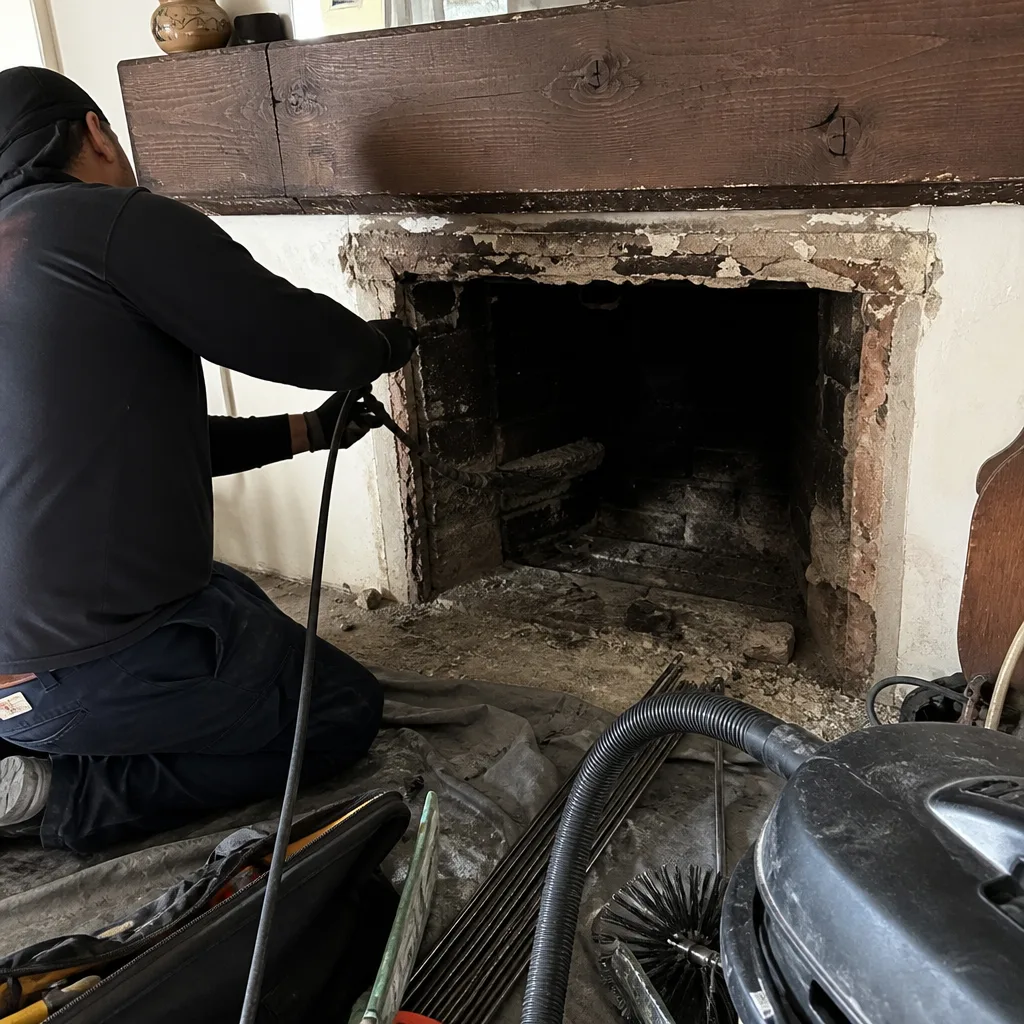
See the difference
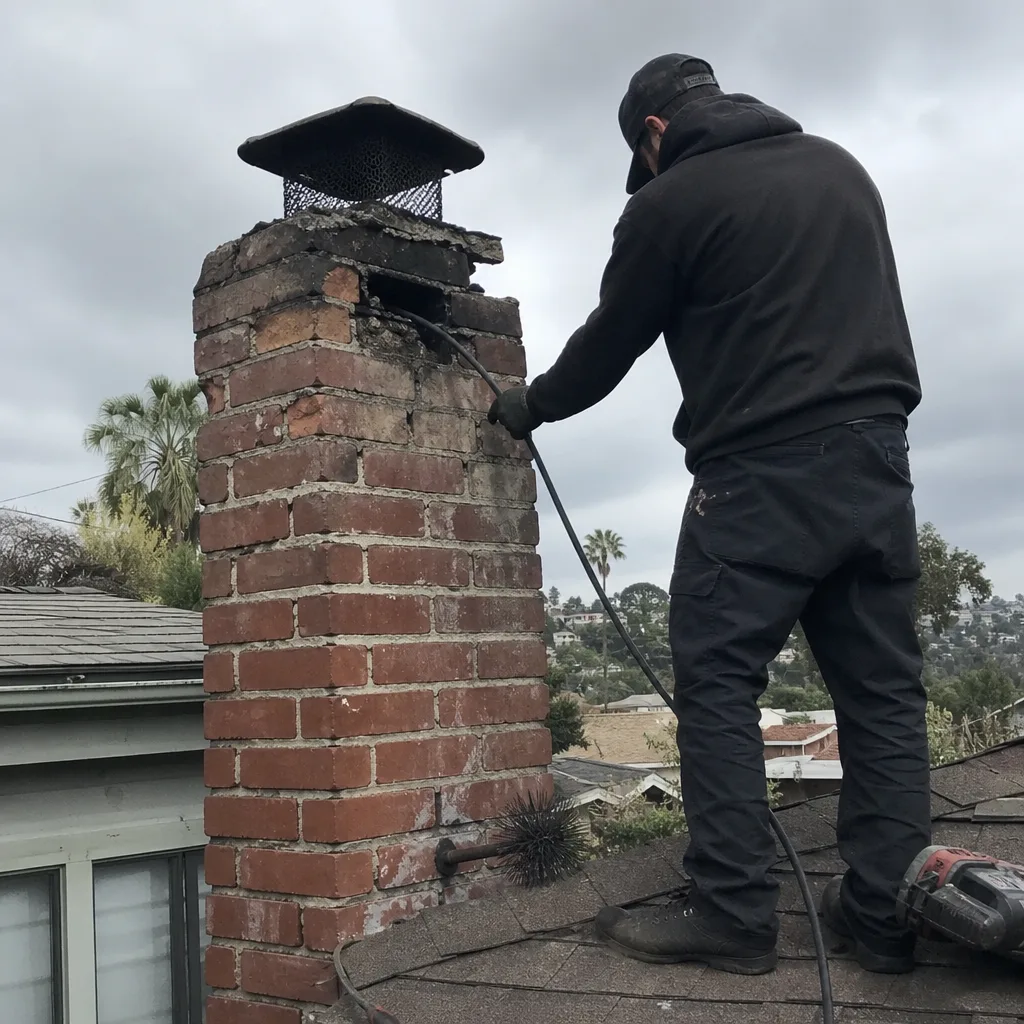 Before
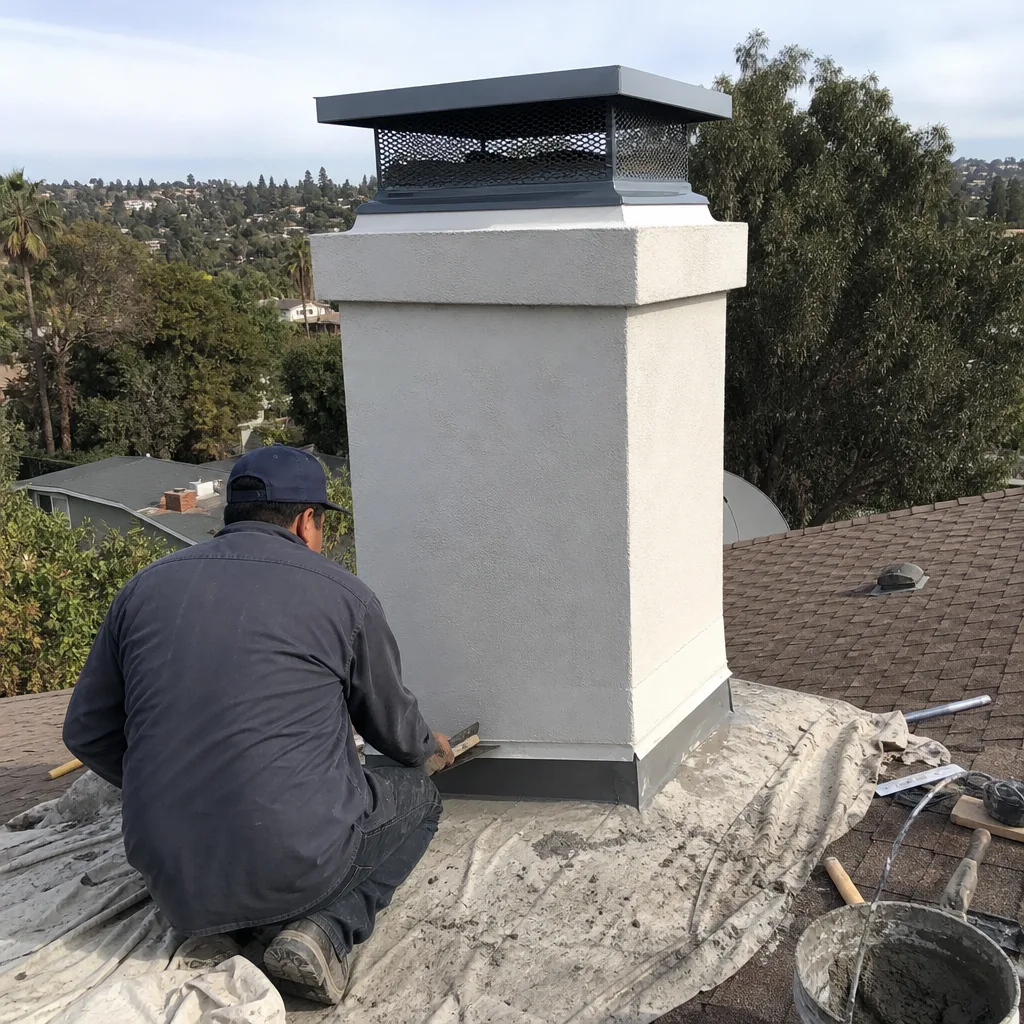 After
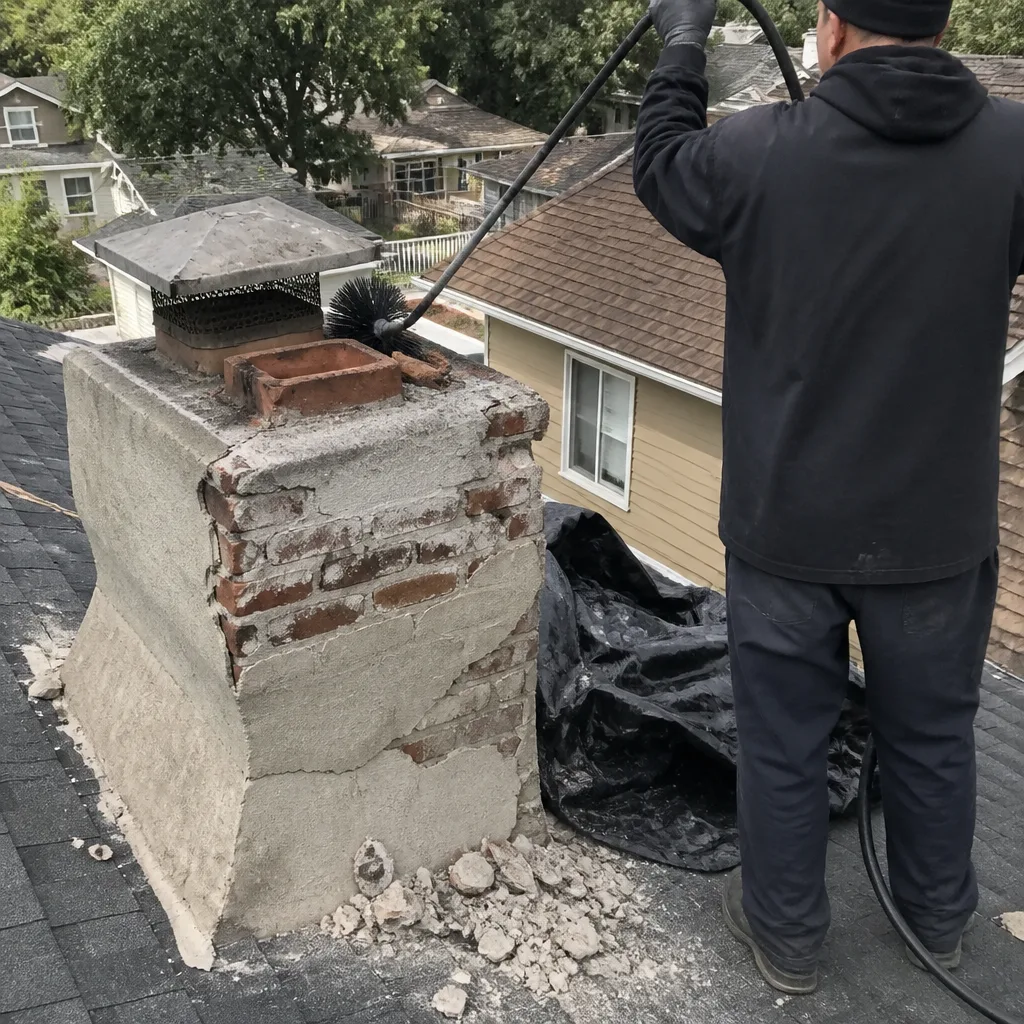 Before
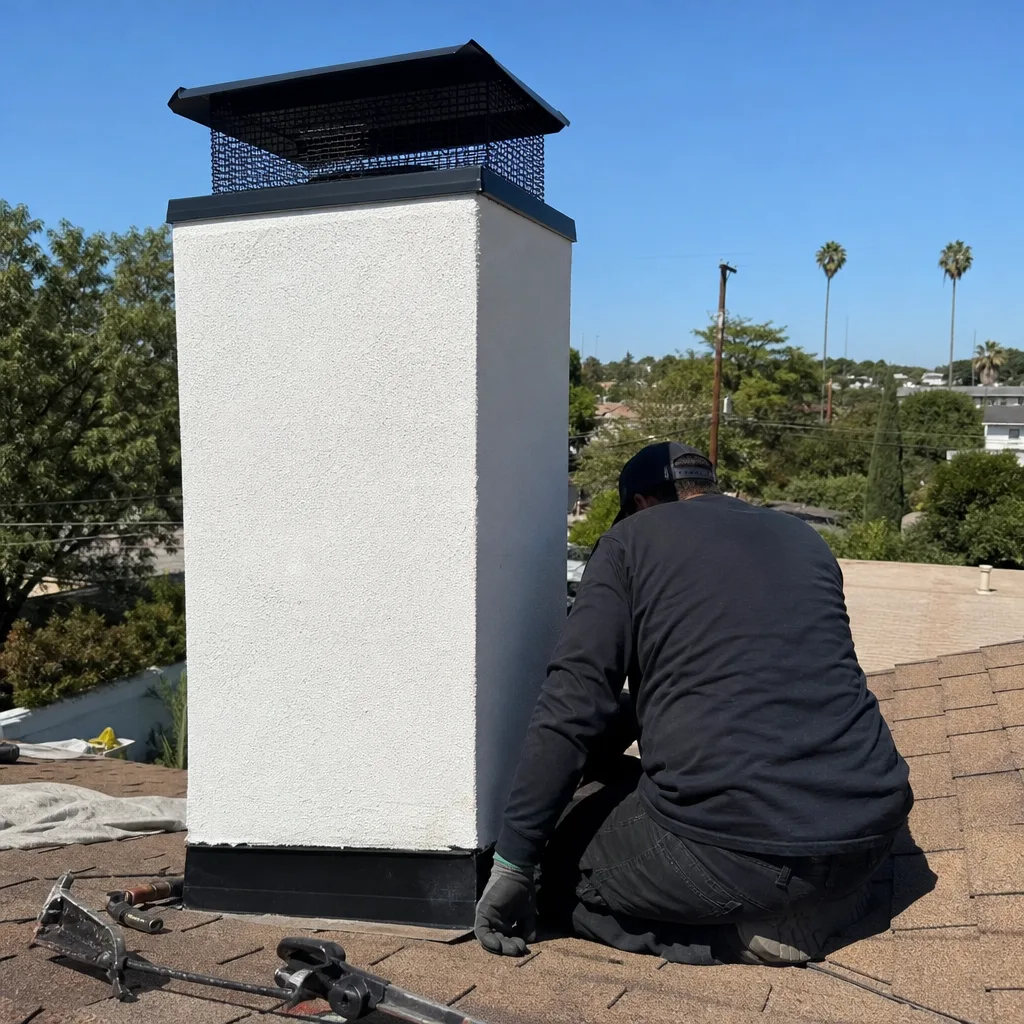 After
 Before
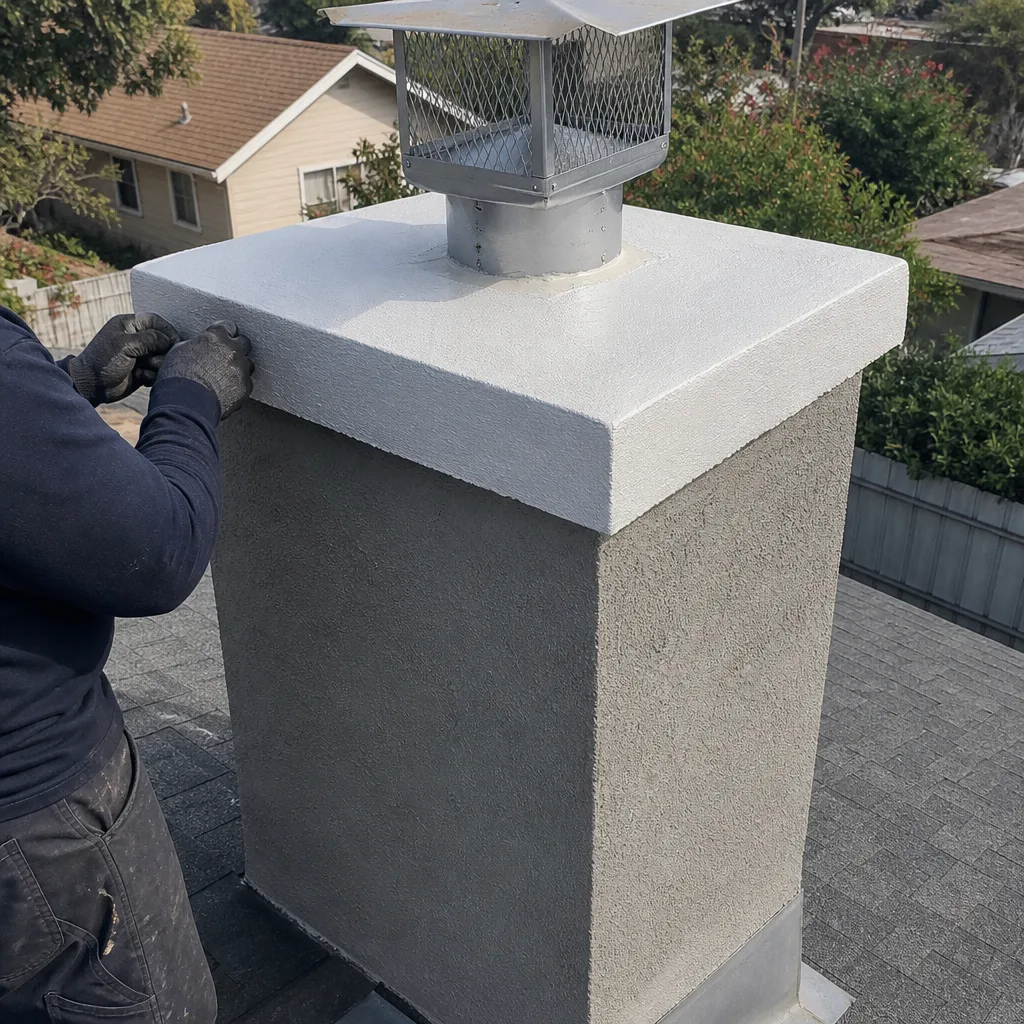 After