
Last updated November 2, 2026
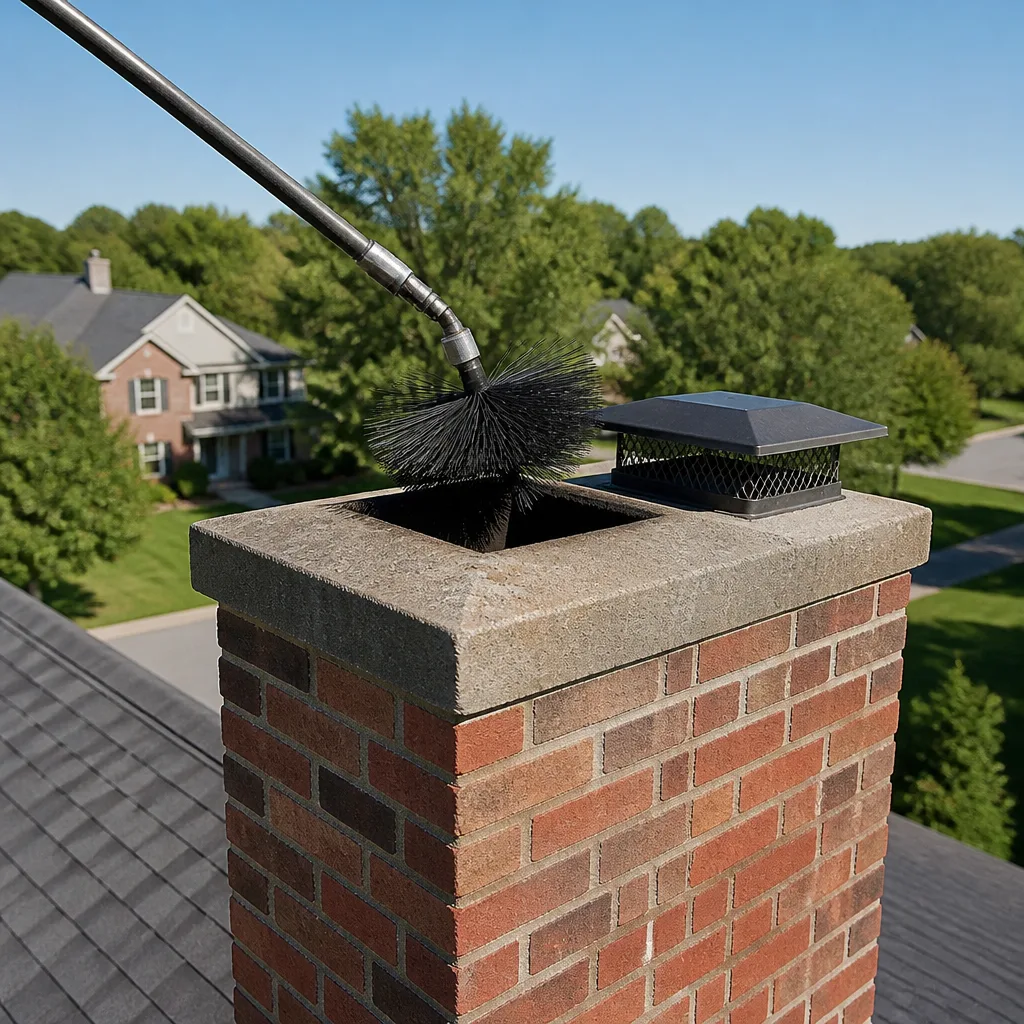 Sweep & inspection
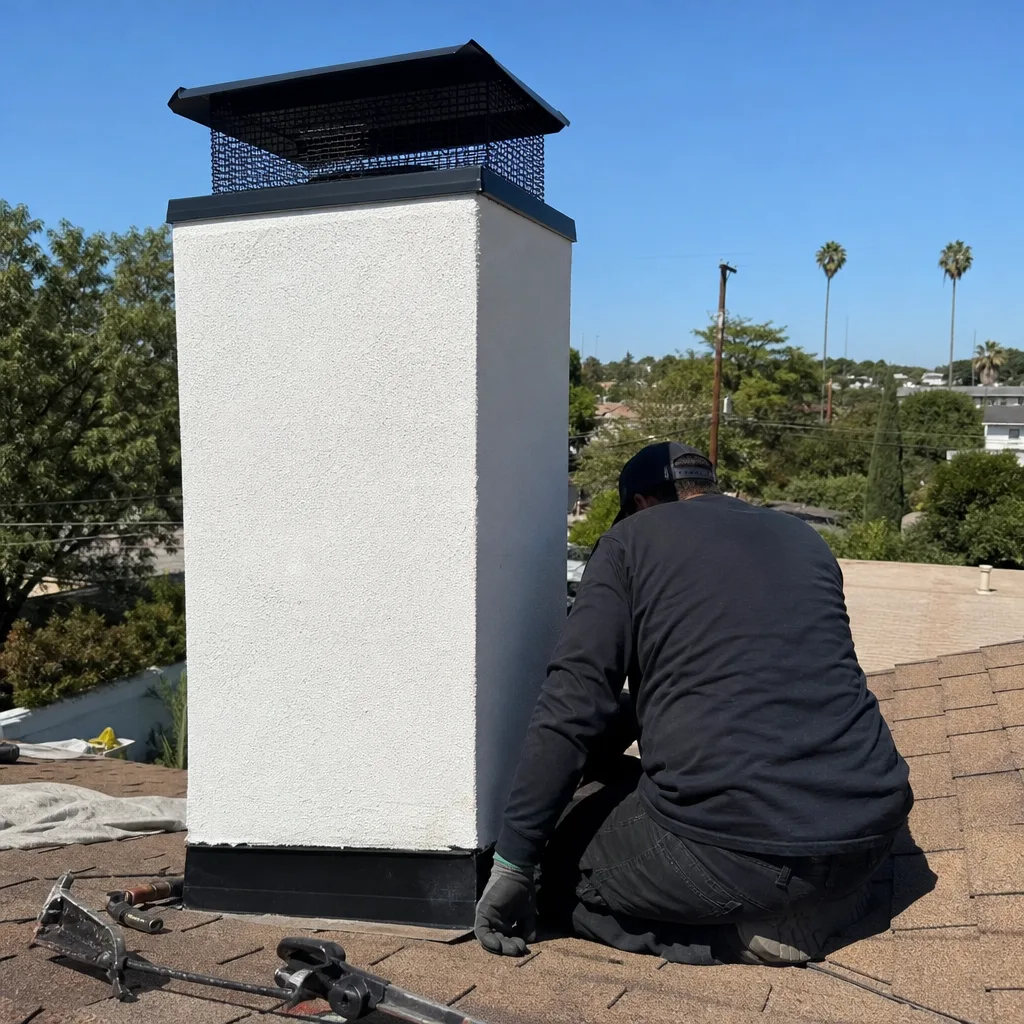
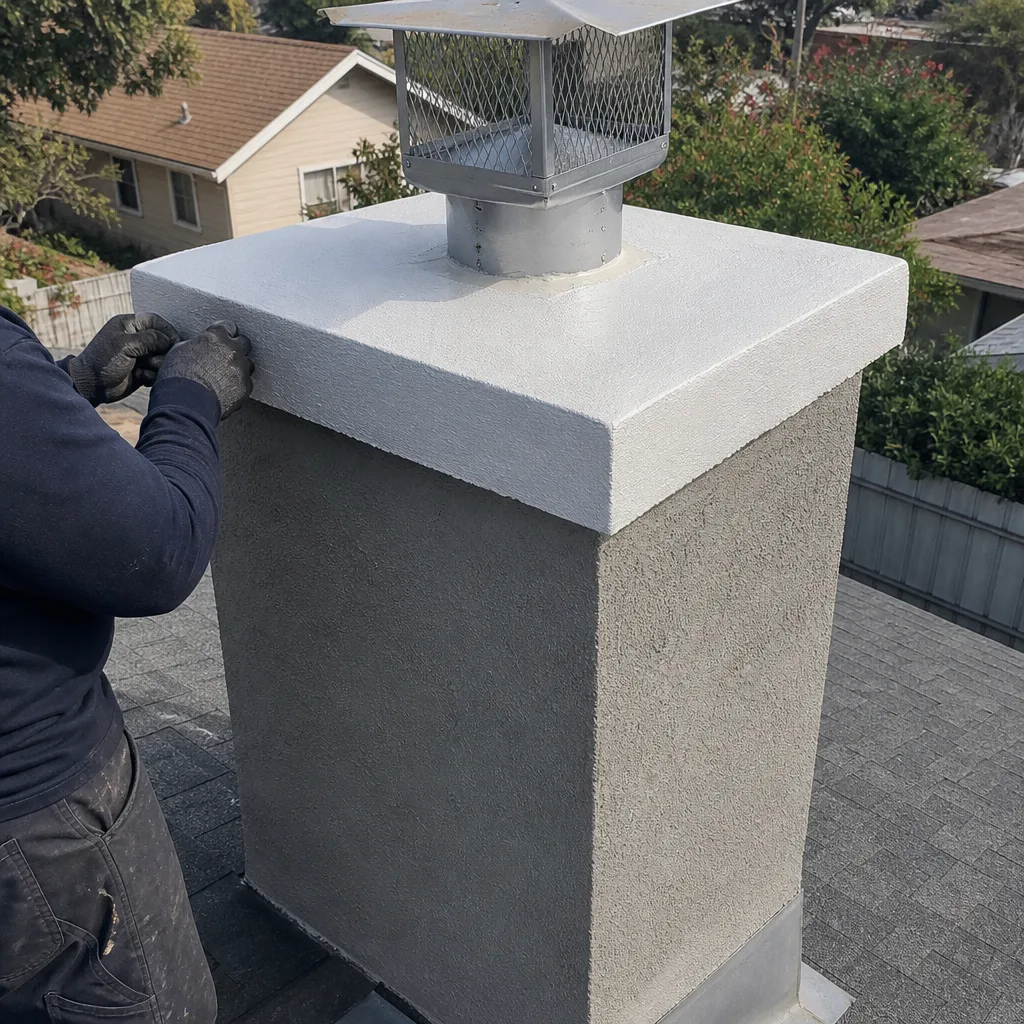
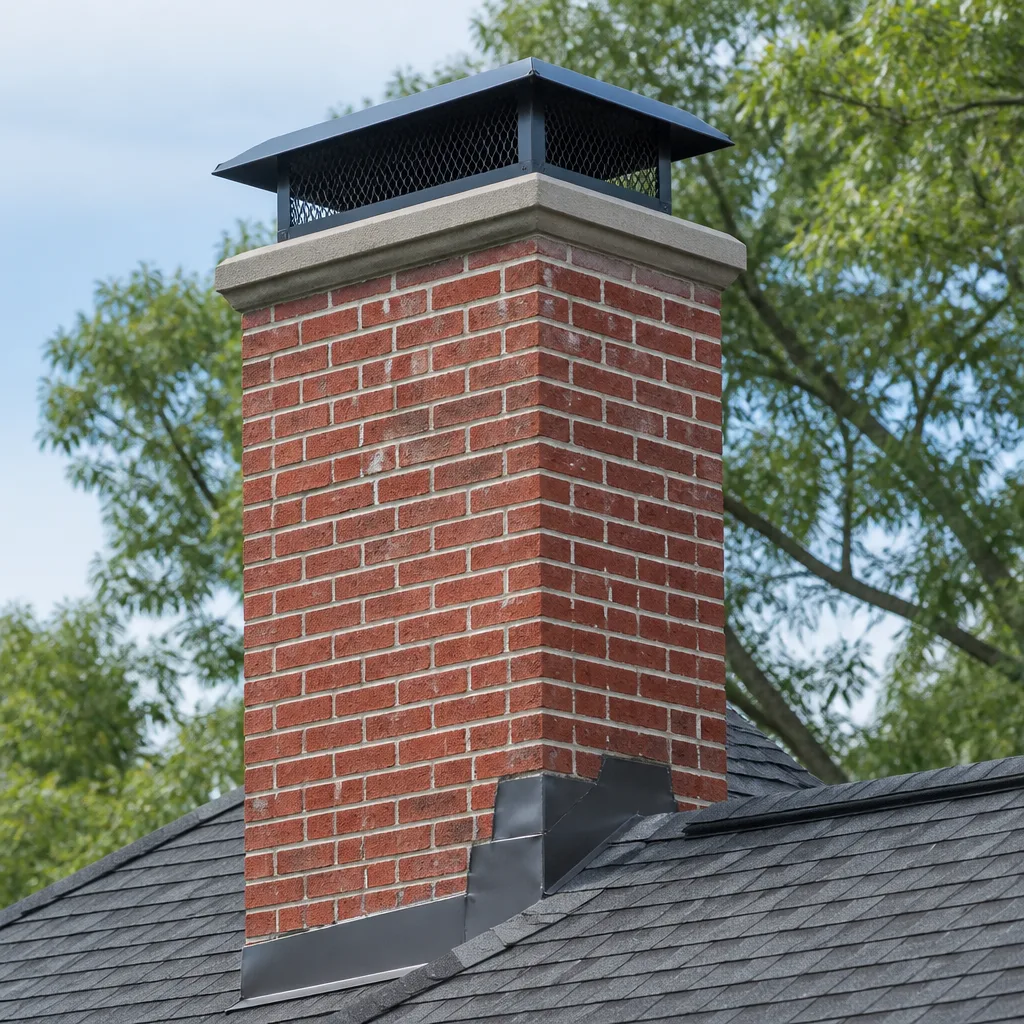 Caps & crowns
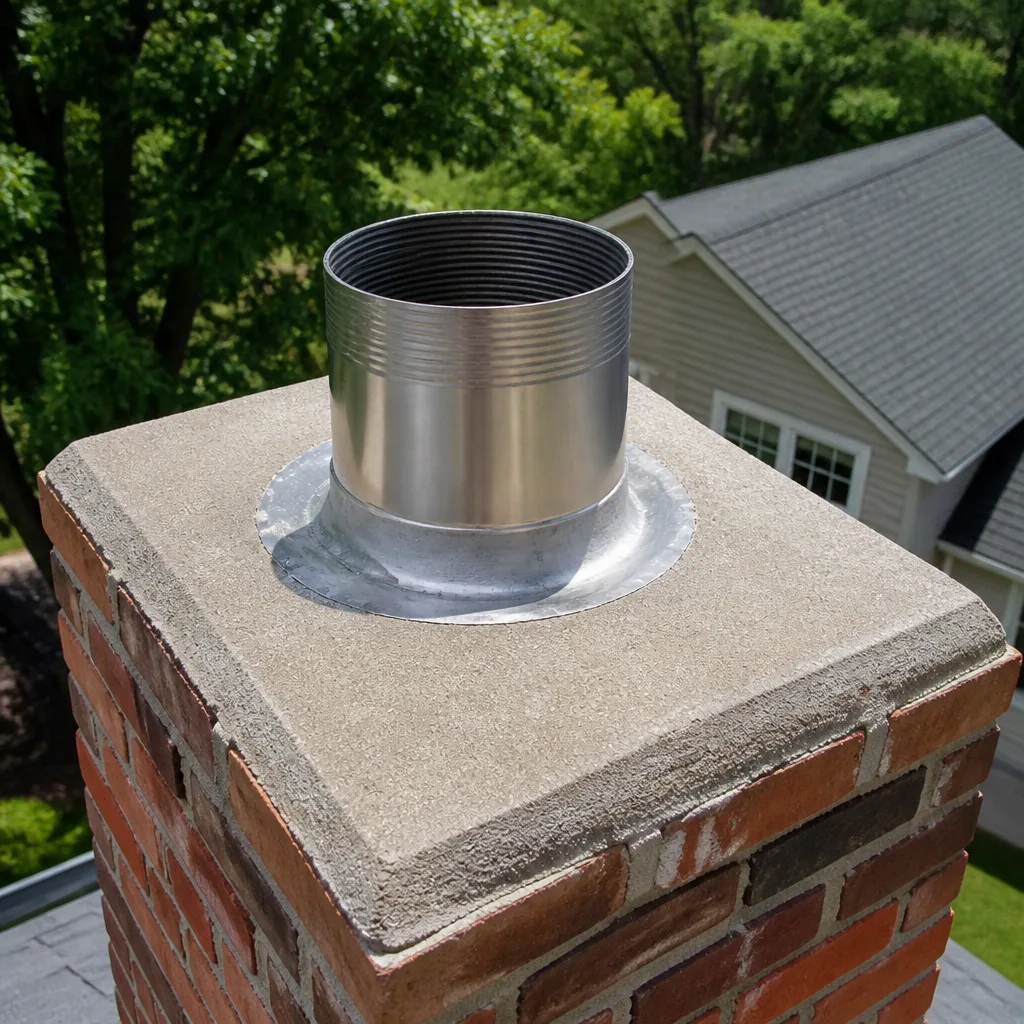 Flue relining
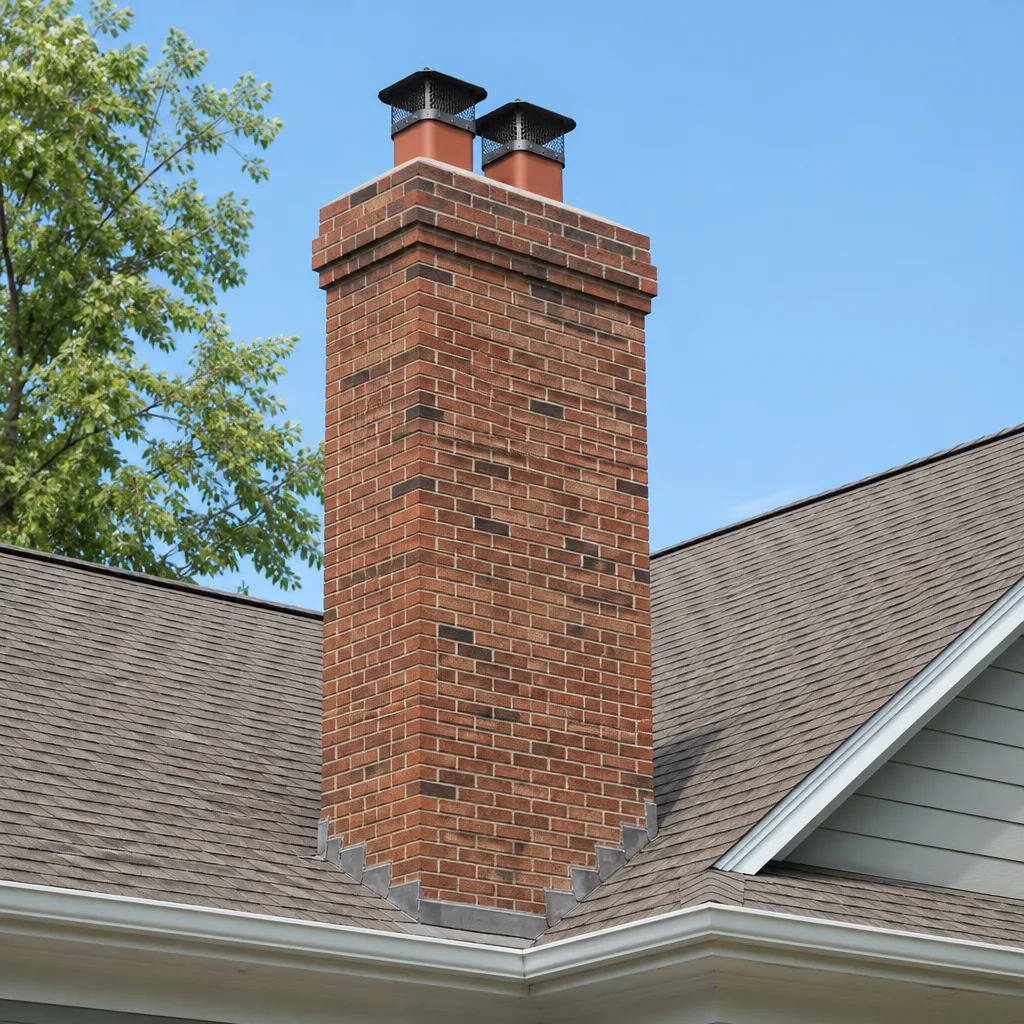 Masonry repair
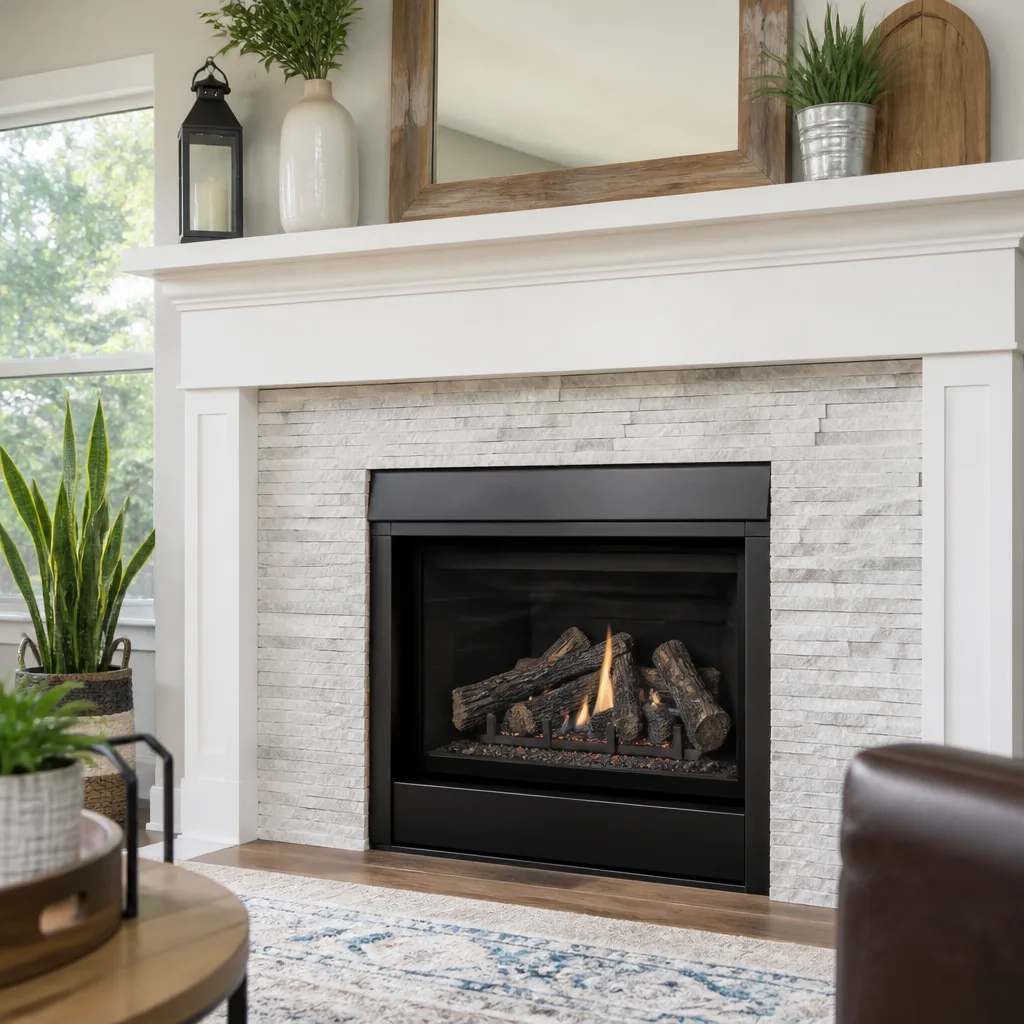 Gas fireplace service
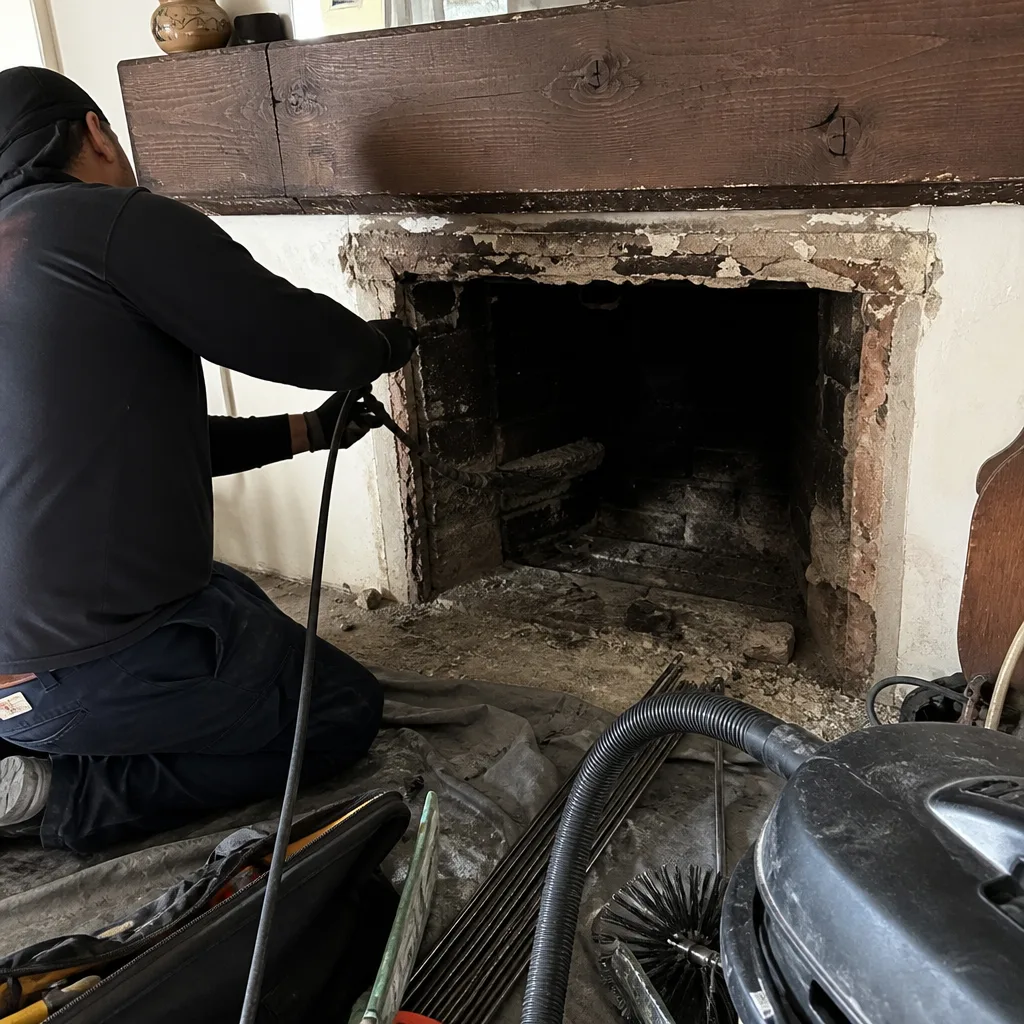
Level 1 sweep and inspection to the NFPA 211 annual standard - flue, crown, cap, and flashing checked and photographed
Chimney sweep logs do not sweep chimneys. They loosen some creosote - which then falls where a brush and vacuum still have to collect it.
Chimney Sweep Troubleshooting: Common Problems and How to Fix Them
The number-one call chimney companies get after a failed DIY fix is “I cleaned it myself and it’s still smoking into the room.” Most people assume smoke rollback means creosote buildup, so they sweep, sweep again, and the problem persists. Here’s the truth: smoke rollback is almost never a creosote problem. It’s a draft problem that sweeping alone can’t solve. This The Complete Chimney Sweep Guide for Montecito Heights Homeowners walks you through what your chimney is actually telling you when it smokes, smells, or refuses to draw – and which fixes you can handle versus which ones demand a trained eye. We’ve built this from years of troubleshooting chimneys across Montecito Heights and the surrounding foothills.
Styles & brands we work with
- Sweep & inspection
- Caps & crowns
- Flue relining
- Masonry repair
- Gas fireplace service
Quick Answer
Most chimney problems fall into three categories: draft failures (smoke rollback, slow ignition), structural deterioration (cracked liners, spalling brick, white staining), and nuisance issues (animal intrusion, persistent odors). The fix depends entirely on which category you’re dealing with – and guessing wrong is expensive. Draft issues need airflow correction, structural issues need professional repair with purpose-built materials, and nuisance problems usually need exclusion work or a deep cleaning. If you’re seeing smoke in the living room, stop using the fireplace and work through the symptom matrix below.
Table of Contents
- The Symptom-to-Cause Matrix: What Your Chimney Is Telling You
- Smoke Rollback: The Draft Problem Everyone Misdiagnoses
- Slow Fire Starts and Lazy Flames
- Persistent Odors: The Smell That Won’t Leave
- White Staining and Efflorescence: Moisture Moving Through Masonry
- Animal Intrusion: When Your Chimney Becomes a Condo
- The Cold-Flue Problem Specific to SoCal Homes
- Structural Damage vs. Cleaning Needs: How to Tell Them Apart
- Red Flags: Stop Using Your Fireplace Today
- Common Mistakes to Avoid
- When to Call a Professional
- Frequently Asked Questions
- The Bottom Line
The Symptom-to-Cause Matrix: What Your Chimney Is Telling You
Chimneys communicate through symptoms. The trick is knowing which symptom maps to which underlying cause. Most homeowners fixate on creosote because that’s what Chimney Sweep ads talk about, but creosote is only one variable in a system that involves airflow, geometry, moisture, and pressure. Here’s what we see in Montecito Heights homes when we’re called to diagnose a problem that sweeping didn’t fix.
- Smoke rollback into the room → Draft failure. Usually cold flue, negative house pressure, or an obstructed cap. Rarely creosote.
- Fire won’t catch, flames stay lazy and low → Poor combustion air. Often a damper issue, a blocked air intake, or negative pressure from exhaust fans.
- Smell of smoke when the fireplace is cold → Downdraft or a dirty flue absorbing moisture and releasing odor. Common in summer and on humid days.
- Animal sounds, scratching, or droppings in the firebox → Uncapped or damaged chimney cap. Birds, squirrels, and raccoons see an open flue as prime real estate.
- White, chalky deposits on exterior brick → Efflorescence. Water moving through masonry and evaporating, leaving salt behind. A moisture problem, not a cleaning problem.
- Rust streaks, damp patches on the ceiling near the chimney → Flashing failure or cracked crown. Water intrusion, not a sweep issue.
- Strong, acrid smell during rain → Water hitting creosote inside the flue. The flue needs sweeping and the water entry point needs repair.
Each of these symptoms has a specific cause, and each cause has a specific fix. The rest of this guide breaks them down one by one.
Smoke Rollback: The Draft Problem Everyone Misdiagnoses
A chimney draws because warm air rises. When you light a fire, the flue gases heat the chimney interior, creating a pressure difference that pulls smoke upward and out. Smoke rollback happens when that pressure difference works against you – when the house is pulling air down the chimney instead of letting it rise. The fireplace is a hole in your house that connects to the sky, and if your house wants air, that’s where it’ll come looking.
Here’s the diagnostic sequence we run through in Montecito Heights homes, in order of how often each one is the culprit:
- Cold flue. A chimney that hasn’t been used in months is full of cold, dense air. That plug of cold air acts like a cork. You light the fire, smoke hits the cold plug, and the smoke bills into the room. This is the single most common cause of first-fire smoke rollback, and the fix costs nothing – we cover the 10-minute warm-up trick in its own section below.
- Negative house pressure. Modern homes are sealed tight. When you run a kitchen exhaust fan, a bathroom fan, or a clothes dryer, you’re pulling air out of the house. A strong enough pull will overcome the chimney’s draft and reverse it. If your fireplace smokes only when the dryer is running or when the kitchen fan is on, negative pressure is the culprit.
- Damper issues. A damper that doesn’t open fully, or one that’s warped from years of heat, restricts the flue opening and chokes the draft. Some dampers get knocked loose by an overzealous sweep. It’s worth verifying the damper is actually open before blaming anything else.
- Cap obstruction. A chimney cap clogged with leaves, creosote, or a nesting attempt by birds restricts airflow at the top. Less common than the others, but quick to check with a flashlight from the ground.
- Flue geometry. Tall chimneys draw better than short ones. A chimney that terminates too close to a roof peak, or one that’s been rebuilt shorter than original spec, may never draw properly without a draft-inducing cap.
We’ve walked into homes where the homeowner had swept the flue three times, convinced the problem was creosote, when the real issue was a bathroom exhaust fan running 24/7. The chimney was fine. The house pressure was not. Understanding the difference between a dirty chimney and a draft-starved one is the single most useful troubleshooting skill a fireplace owner can develop.
Slow Fire Starts and Lazy Flames
If your fire takes forever to catch and the flames stay small and sluggish even after the kindling ignites, you’re looking at a combustion air problem. Fire needs oxygen. A chimney that’s drawing properly pulls oxygen into the firebox and feeds the flames. A chimney that isn’t drawing starves the fire and leaves you with a smoldering, smoky mess.
The usual suspects, in order:
- Damper partially closed. The damper should be fully open during startup. A half-open damper halves your draft. Confirm it’s open all the way before the fire starts, not after you’ve got smoke in the room.
- Air-tight house. Newer construction in Montecito Heights, especially homes with double-pane windows and modern weatherstripping, can be airtight enough that the fire can’t pull makeup air. Crack a window an inch in the same room as the fireplace and see if the flames pick up. If they do, you’ve found your problem.
- Wet or unseasoned wood. Green wood burns cool and produces more water vapor than heat. The result is a lazy fire and extra creosote deposition. Wood should be split and stacked for at least six months, ideally a year, before burning. In Southern California’s dry climate, properly seasoned wood is easy to achieve – but plenty of firewood sellers still move green product.
- Flue sizing mismatch. Some older homes have fireplaces that were never properly matched to their flue dimensions. A flue that’s too large for the firebox doesn’t heat up enough to establish draft. A flue that’s too small chokes the fire. This is a structural issue that requires professional evaluation.
Quick test: if you crack a window and the fire improves noticeably within 60 seconds, negative house pressure is the culprit. If opening a window doesn’t help, the issue is damper-related, fuel-related, or structural.
Persistent Odors: The Smell That Won’t Leave
A fireplace that smells like last winter’s fire every time the humidity rises is one of the most persistent complaints we hear in Montecito Heights. The smell usually isn’t coming from visible ashes in the firebox – it’s coming from creosote baked onto the flue walls, which absorbs moisture from the air and releases those smoky compounds back into your living room.
The fix is a proper mechanical sweeping, not just shoveling out the ashes. A standard sweep removes the loose creosote. A deeper cleaning, using rotary tools or chemical treatments, addresses the baked-on glaze. But here’s the thing many homeowners don’t realize: if you have a persistent summer odor, you may also have a downdraft problem. On hot days, the natural airflow direction can reverse, pulling chimney air down into the house. The smell that drives you crazy in August isn’t the same smell you notice in January – it’s the same creosote, but the air is moving the wrong direction.
Steps to address persistent odor:
- Have the flue professionally swept. Not the firebox – the flue. Loose creosote in the smoke chamber is a major odor source.
- Check the damper seal. A damper that doesn’t close tightly lets chimney air into the house when the fireplace isn’t in use. Installing a top-mount damper can help.
- If the odor is strongest during rain, you have water entering the flue and hitting the creosote. A chimney cap and crown repair are in order – sweeping will help, but only after the water entry is stopped.
- Consider a chimney cap with a draft-inducing design if downdraft is the issue. In some Montecito Heights homes near canyon edges, wind patterns create downdrafts that a standard cap won’t fix.
One thing we don’t recommend: masking the smell with air fresheners or scented candles. That’s treating the symptom, not the cause, and the cause is almost always either creosote, water, or airflow.
White Staining and Efflorescence: Moisture Moving Through Masonry
White, chalky stains on your chimney’s exterior brick are called efflorescence. It’s salt deposits left behind when water moves through masonry and evaporates at the surface. Efflorescence isn’t dangerous by itself, but it’s a diagnostic signal: water is getting into your chimney, and water is the enemy of masonry.
In Montecito Heights, our wet season is brief but intense. A few days of sustained rain is enough to saturate a chimney with a cracked crown or failing flashing. When the sun comes back and the masonry dries, the salt appears. Homeowners sometimes try to scrub it off, which works temporarily – but it comes back because the water entry point hasn’t been addressed.
The root causes of efflorescence, in order of frequency:
- Cracked chimney crown. The crown is the concrete cap at the top of the chimney. Cracks let water run down through the masonry from the top.
- Failed flashing. The metal where the chimney meets the roof. Over time, flashing pulls away from the brick and lets water behind the chimney chase.
- Porous brick or deteriorating mortar. Older chimneys absorb water directly through the brick face. A breathable water repellent can help, but it’s a bandage if the mortar joints are failing.
Efflorescence itself doesn’t require a sweep. It requires masonry repair. The good news is that it’s visible – you can see the problem from the ground before calling anyone. The bad news is that once you can see efflorescence, water has been moving through the chimney for a while.
Animal Intrusion: When Your Chimney Becomes a Condo
Chimney caps are the gatekeepers. Without one, your flue is an open invitation to every bird, squirrel, and raccoon in Montecito Heights. We’ve removed nests made of twigs, leaves, and what appears to be half a front lawn. We’ve found birds in the smoke chamber, raccoons in the flue, and squirrels that had partially disassembled a damper.
The signs of animal intrusion are straightforward:
- Scratching, chittering, or flapping sounds coming from the chimney, especially at dawn and dusk
- Droppings in the firebox or a foul, musty smell coming from the fireplace
- Debris falling into the firebox – twigs, grass, and nesting material
- A sudden draft problem or smoke rollback that wasn’t there before, caused by a nest partially or fully blocking the flue
If animals are currently living in your chimney, don’t try to smoke them out – you can’t direct the smoke, and you may end up with a dead animal in your flue or a room full of smoke from the obstruction. The correct sequence is: remove the animal (humanely, if possible), remove the nest, sweep the flue, and install a proper chimney cap with screening. A cap with bird screening is the permanent fix. Without it, whatever animal you remove will be replaced by another one within a year.
One additional note: birds’ nests are often built right above the damper, which puts them out of reach for a homeowner with a flashlight and a bucket. Professional removal typically requires tools that can reach the full height of the flue.
The Cold-Flue Problem Specific to SoCal Homes
Here’s something you won’t read in a generic chimney troubleshooting guide written by someone in Michigan: most fireplaces in Montecito Heights sit unused for eight to ten months a year. Southern California winters are short and mild by comparison to the rest of the country. That’s a lovely quality of life, but it creates a specific chimney problem – the cold plug.
When a chimney hasn’t been used since February or March, the entire column of air inside the flue cools and settles. By the time December rolls around and you want your first fire, that column of cold air is dense and heavy. When you light the kindling, the smoke rises a few feet, hits the cold air plug, and stalls. Then it finds the path of least resistance – which is into your living room.
The 10-minute warm-up trick fixes this in most cases. Here’s how it works:
- Open the damper completely – wait a few seconds, don’t rush this step.
- Crumple a few sheets of newspaper and hold them near the open damper, as high up as you can reach. Light them. The goal is to start warming the air above the damper, not to build your actual fire yet.
- Let the newspaper burn out. It should take about 30 seconds. You’re creating a small column of rising warm air in the flue.
- Repeat with a second sheet of newspaper, held slightly higher if you can reach.
- Now light your kindling as you normally would. The flue has a head start – warm air is already rising, and the cold plug has been pushed out.
This works about 80% of the time for first-fire smoke rollback in homes where the chimney is otherwise clean and properly maintained. If it doesn’t work, you’ve ruled out the cold-flue issue and you’re looking at something else – negative pressure, a damper problem, or an obstruction. Which brings us to the next section.
Structural Damage vs. Cleaning Needs: How to Tell Them Apart
This is the distinction that separates a $250 sweep from a $2,500 repair, and it’s the question every homeowner wants answered honestly. Here’s how to think about it.
A cleaning need is creosote buildup on the flue walls, ash accumulation in the firebox, and debris in the smoke chamber. The fix is mechanical sweeping. The chimney’s structure is sound – it’s just dirty. Sweeping restores proper airflow and removes the fire hazard of accumulated creosote.
A structural issue is a cracked flue liner, deteriorated mortar joints, a damaged crown, or water intrusion. The fix is repair, not sweeping. Sweeping a structurally damaged chimney doesn’t address the underlying issue, and in some cases can make it worse by disturbing already-failing material.
How to tell them apart from the outside:
- Creosote is visible from inside the flue with a flashlight. It looks like black, flaky tar or shiny, glassy glaze. It requires sweeping.
- Cracked flue tiles are visible in the fireplace with a mirror and flashlight. Look for hairline cracks, missing chunks, or tile pieces in the firebox. This requires professional repair – a chimney with a cracked liner should not be used until it’s been evaluated.
- Crumbling mortar on the exterior chimney, or bricks that have shifted, indicate masonry deterioration. This requires tuckpointing or rebuilding, not sweeping.
- Rust on the damper or firebox walls indicates water intrusion. The water source needs to be found and fixed, then the damaged components need to be repaired or replaced.
The safest approach when you’re unsure is to treat the chimney as potentially structural and stop using it until a professional has looked. Over the years, we’ve done many repairs in Montecito Heights homes where the homeowner had been burning fires for months with a cracked liner they didn’t know was there. The fire burns fine. The problem is invisible until it isn’t.
Red Flags: Stop Using Your Fireplace Today
Some chimney problems are inconveniences. Others are stop-using-the-fireplace-tonight situations. Here’s our list of hard stops. If you see any of these, close the damper, don’t light another fire, and get a professional evaluation scheduled.
- Smoke staining on the ceiling or walls around the fireplace. This means smoke is escaping the flue system into the house structure. That smoke is full of carbon monoxide and particulate matter. It’s not a nuisance – it’s a health hazard.
- Visible cracks in the flue liner, either from the top or viewed with a mirror from the firebox. A cracked liner allows heat and combustion gases to reach the chimney structure, which in older homes may include wooden framing.
- Debris falling from the flue – whether tile fragments, mortar chunks, or nesting material. This indicates the flue is deteriorating from the inside.
- A strong gas smell near the fireplace or chimney chase that wasn’t there before. If you have a gas log set or gas starter, this could indicate a leak. Don’t light anything.
- Soot accumulation on the chimney exterior or staining that suggests the flue is leaking. This is a sign of structural failure in the flue.
We’d rather you call and find out it’s nothing than keep burning with a compromised chimney. The cost of an inspection is always less than the cost of a chimney fire.
Common Mistakes to Avoid
- Sweeping the firebox and calling it a day. The firebox is where you can see. The flue is where the creosote lives. A visual sweep of the firebox doesn’t touch the actual hazard.
- Burning unseasoned wood to save money. Green wood burns cool, produces excessive creosote, and costs you more in sweeping frequency than you save on the firewood. In Montecito Heights, where we have months of dry heat, seasoning wood at home is simple – split it, stack it off the ground, cover the top, and wait a full summer.
- Closing the damper too soon after a fire. The damper should stay open until the embers are completely out. Closing the damper early traps combustion gases in the house – the carbon monoxide risk is real, and it’s invisible.
- Ignoring a chimney cap. A cap is less than $100 in most cases and prevents animal intrusion, rain entry, and most debris obstructions. Skipping it invites every one of those problems into your flue.
- Assuming smoke rollback means the chimney is dirty. This is the single most expensive assumption in chimney care. Draft problems are rarely creosote problems. Before you pay for another sweep, check the cold-flue warm-up, check for negative pressure, and check the damper.
- Burning paper and cardboard as fire starter. Paper produces light, floating embers that can rise through the flue and exit the chimney still burning. Use twigs, kindling, or a fire starter block instead.
- Treating the chimney and dryer vent as separate problems. They’re both venting systems, both accumulate flammable debris, and both need regular maintenance. Montecito Heights homeowners who keep up with both are covering their home’s full fire-safety profile. Our Dryer Vent Cleaning in Montecito Heights page has more on the dryer side of that equation.
When to Call a Professional
You should call a professional when the symptom points to structure, not dirt. If you’ve tried the cold-flue warm-up, ruled out negative pressure, and the smoke still rolls back – that’s a draft or obstruction issue that needs diagnosis. If you can see cracks in the flue liner, water staining, or crumbling mortar – that’s structural work. If you’ve had an animal in the chimney, the nest needs to be removed from the full height of the flue, not just the firebox. And if it’s been more than a year since your last sweep, it’s time regardless of symptoms.
Our Ironwood Chimney Sweep home covers the three core services: sweeping, repair, and dryer vent cleaning. For chimney-specific structural work, see our Chimney Repair in Montecito Heights guide, which walks through the repair options in detail. Ironwood Chimney Sweep offers free estimates in Montecito Heights – call (866) 282-3944.
Frequently Asked Questions
The National Fire Protection Association recommends a chimney inspection at least once a year, with sweeping performed as needed based on the rate of creosote accumulation. For a Montecito Heights home with seasonal fireplace use, that typically translates to a sweep every one to two years. If you burn frequently or burn unseasoned wood, you may need a sweep annually or even more often.
Because smoke rollback is usually a draft problem, not a creosote problem. A cold flue, negative house pressure from exhaust fans, a partially closed damper, or a chimney cap obstruction can all cause smoke to billow into the room even in a completely clean chimney. Try the 10-minute cold-flue warm-up first, then check your damper and your exhaust fan usage.
Only a camera inspection can answer that definitively. A cracked or deteriorated liner is a genuine safety issue – it lets heat and combustion gases reach the chimney structure. But a liner that’s simply dirty doesn’t need replacement, just sweeping. Any honest chimney company will show you the camera footage and explain what they’re seeing. If someone recommends a liner replacement without a camera inspection, get a second opinion.
Creosote accumulates on the flue walls. Creosote is flammable. If it ignites, you get a chimney fire – which can reach 2,000°F, crack the flue liner, and spread to the house structure. Chimney fires are often loud and obvious, but sometimes they burn quietly inside the flue and go undetected until the damage is done. Skipping a sweep is gambling with the single most preventable home fire hazard.
Yes, in one specific way: our chimneys sit unused for most of the year, which means the cold-flue problem is more prevalent here than in colder climates where fireplaces run continuously through winter. The first fire of the season in a Montecito Heights home is far more likely to smoke back than the tenth fire, because the flue has been cold for months. The warm-up trick in this guide solves most cases.
A standard chimney sweep in the Montecito Heights area typically runs $200 – $350 depending on the level of creosote buildup, the height of the chimney, and whether animal removal or debris clearing is needed. Repair work – crown repair, liner replacement, masonry work – is priced separately and varies widely by scope. Call (866) 282-3944 for a free estimate with a camera inspection included.
The Bottom Line
Your chimney communicates through symptoms, and the skill is in reading the message correctly. Smoke rollback means draft failure. Slow fires mean airflow restriction. White staining means moisture. Animal sounds mean missing caps. Persistent smells mean creosote plus moisture or downdraft. Each has a specific fix, and guessing wrong costs time and money while the real problem stays in place. For a Chimney Sweep in Montecito Heights that diagnoses before cleaning and uses professional-grade materials for every repair, call (866) 282-3944. We spec the right fix for your flue – not the cheapest option that fits.
Written by the team at Ironwood Chimney Sweep, serving Montecito Heights since 2013. For more guides & resources, visit our blog.
See the difference
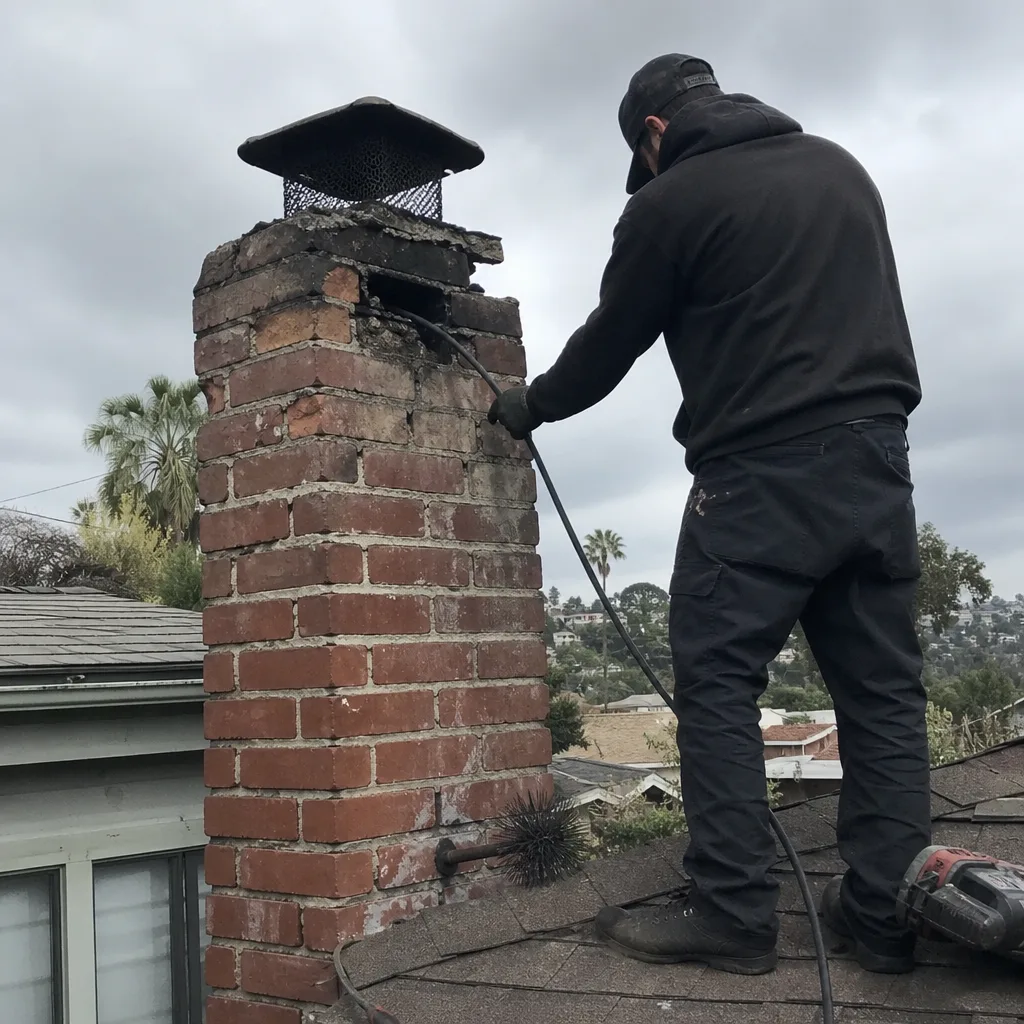 Before
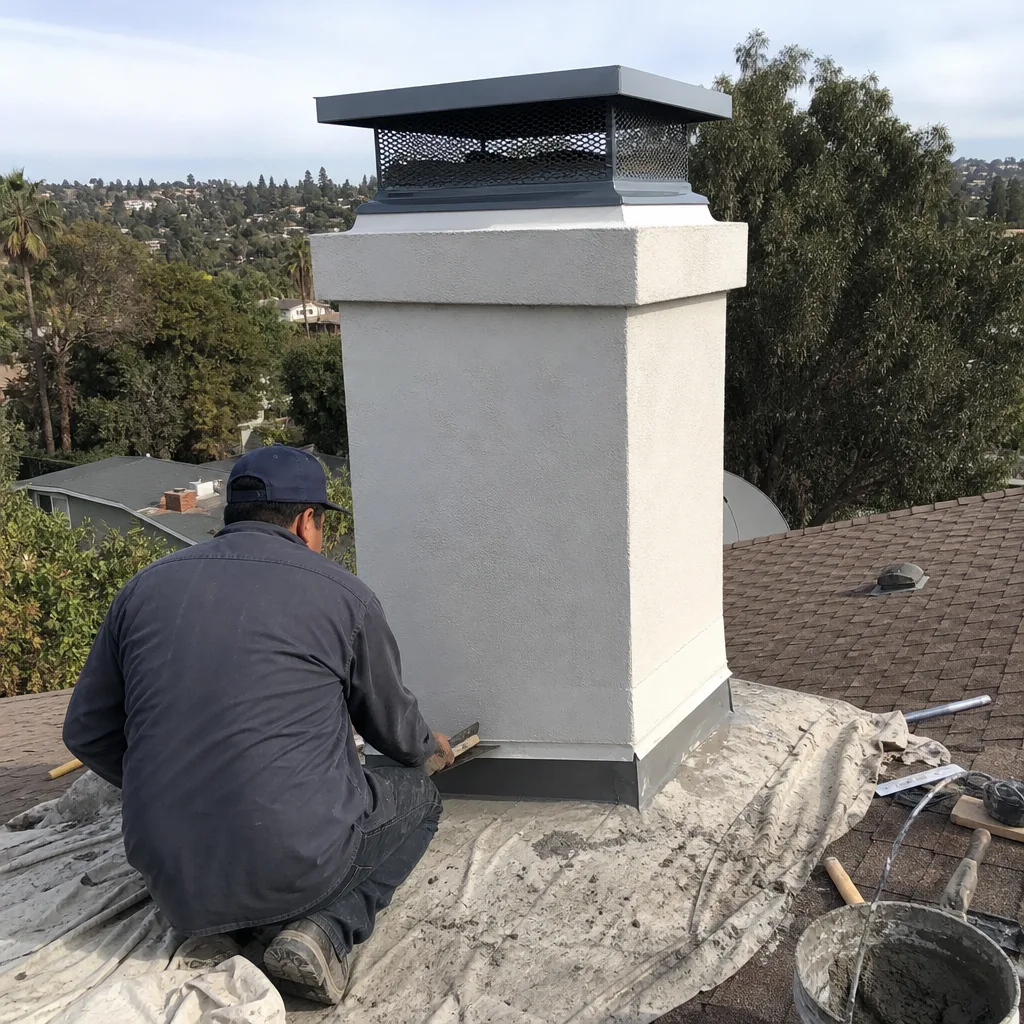 After
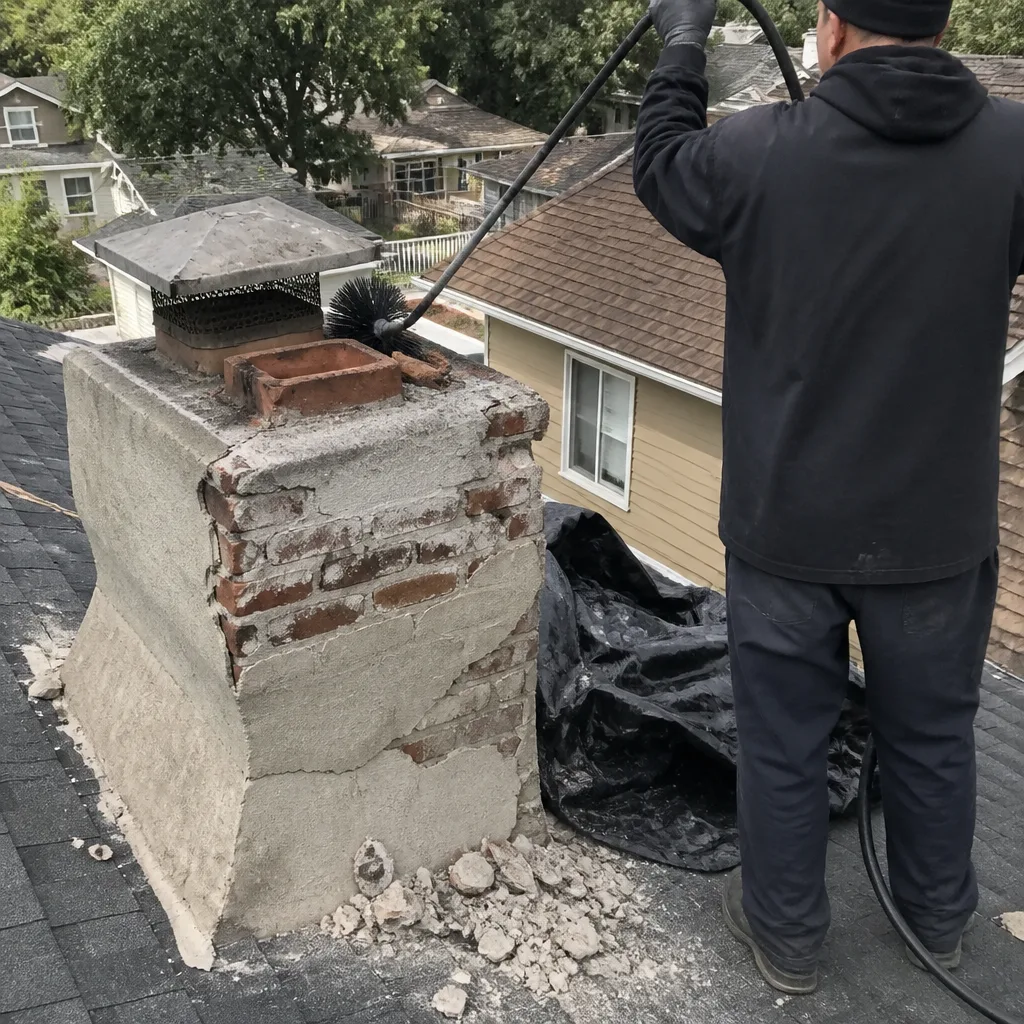 Before
 After
 Before
 After