
Last updated November 3, 2026
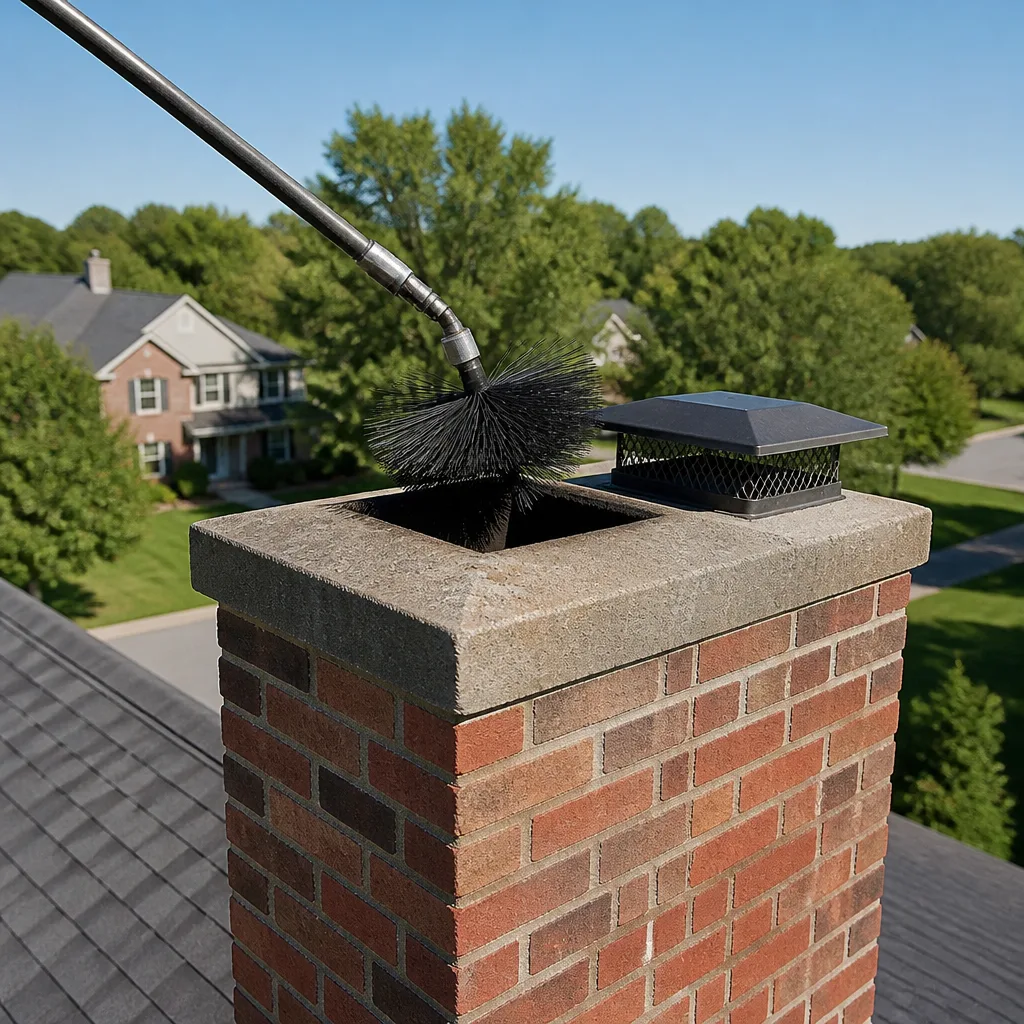 Sweep & inspection
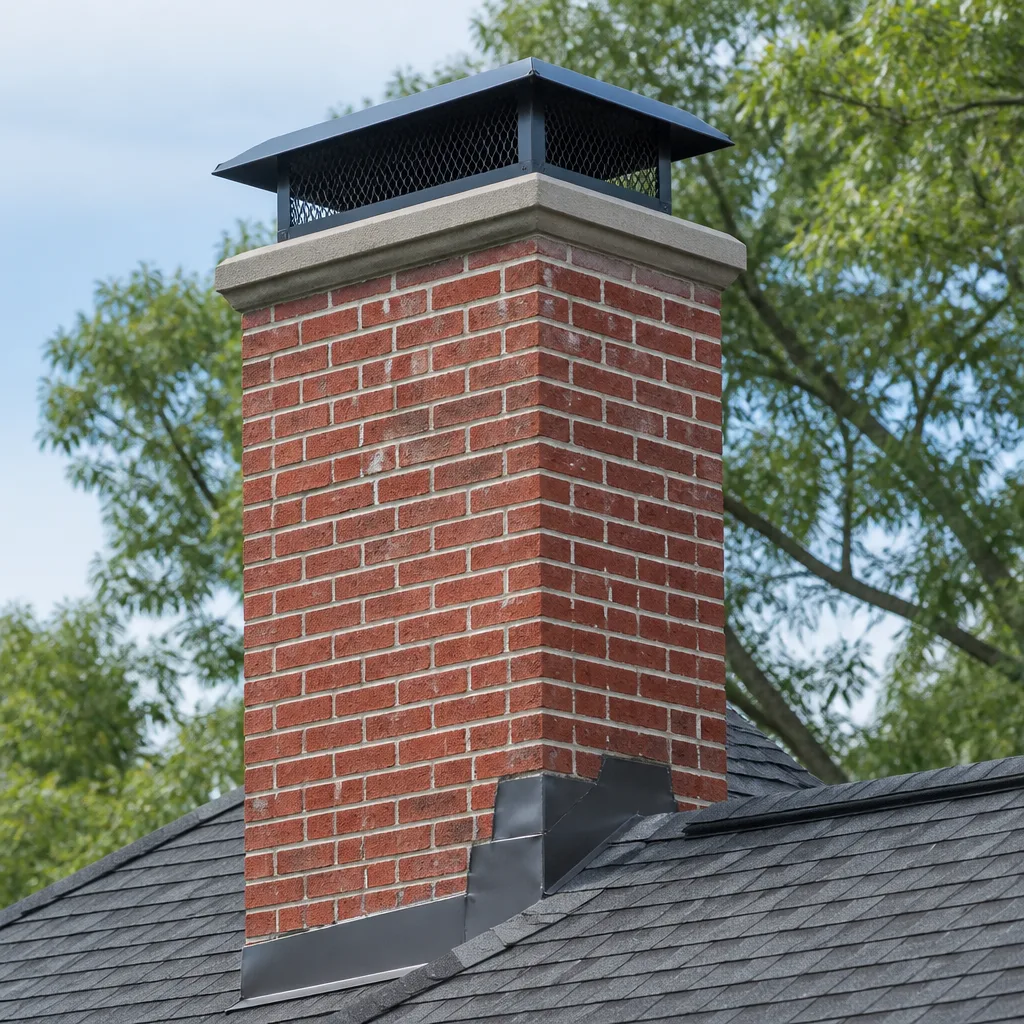 Caps & crowns
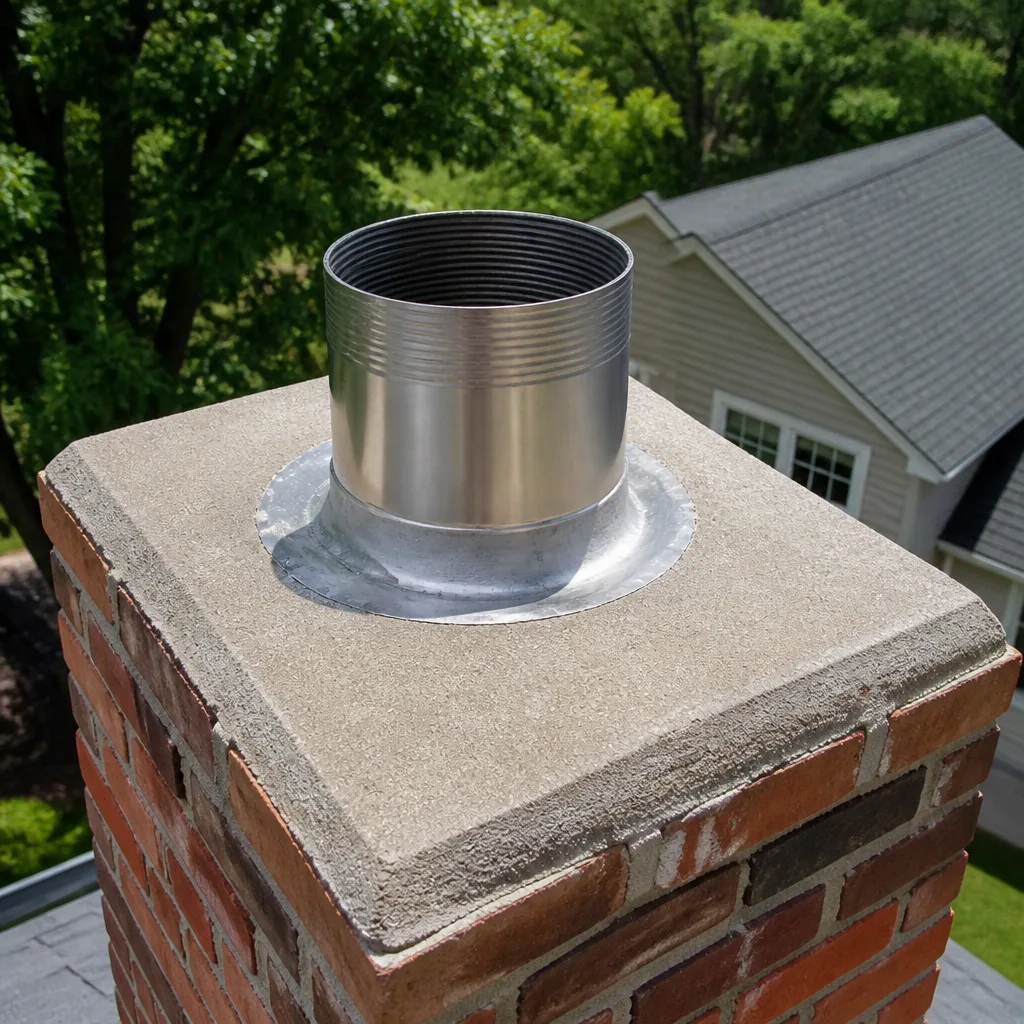 Flue relining
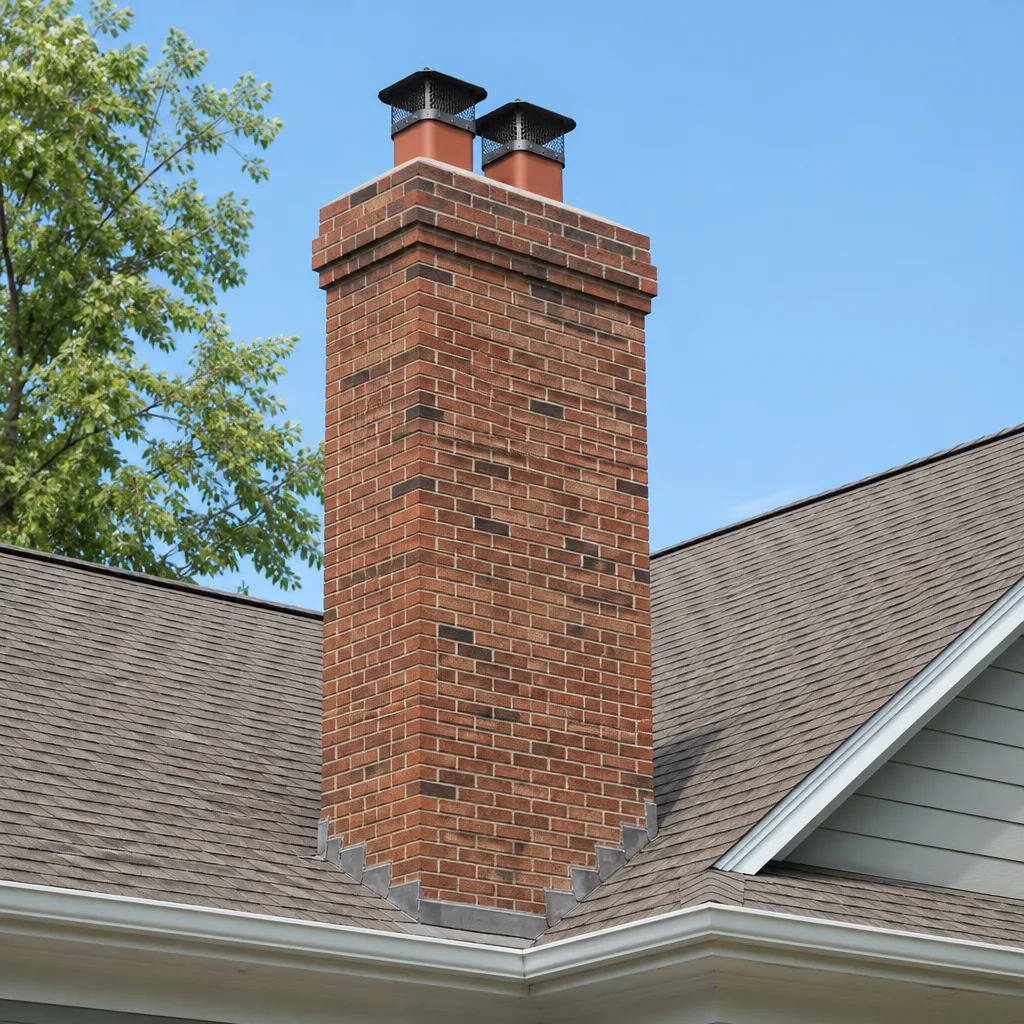 Masonry repair
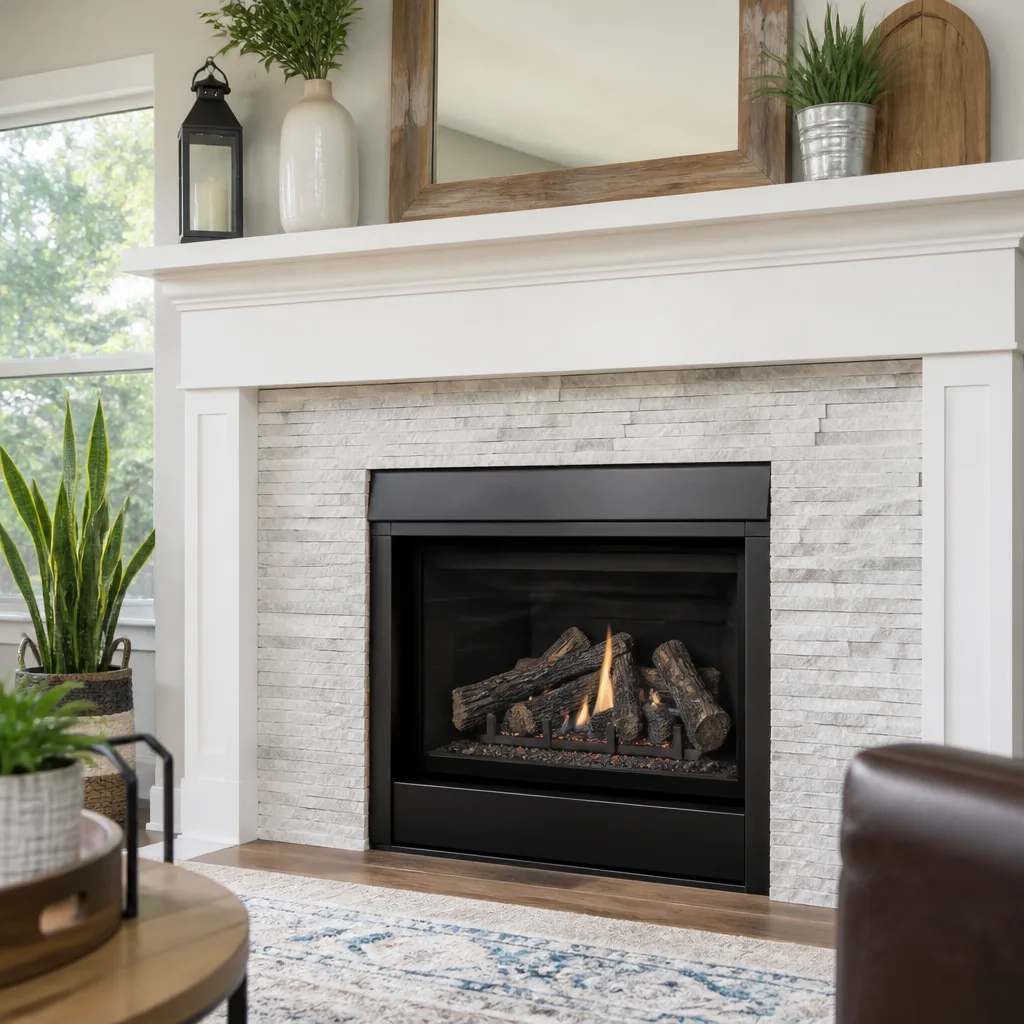 Gas fireplace service
Level 1 sweep and inspection to the NFPA 211 annual standard - flue, crown, cap, and flashing checked and photographed
Chimney sweep logs do not sweep chimneys. They loosen some creosote - which then falls where a brush and vacuum still have to collect it.
Choosing the Right Chimney Cleaning Brand: A Buyer’s Guide for Montecito Heights
Two chimney sweeps can show up with nearly identical brush kits, charge within thirty dollars of each other, and leave behind completely different results. The difference rarely has anything to do with the brushing itself. It comes down to the chemical treatments, liner repair materials, sealants, and cap components applied after the soot is gone. Most homeowners in Montecito Heights never think to ask what products go into their chimney, and that oversight is exactly where cut-rate work hides. This guide covers the brand names that actually matter in chimney work, what they do, and how to spot a contractor who’s improvising with whatever was cheapest at the hardware store.
Styles & brands we work with
- Sweep & inspection
- Caps & crowns
- Flue relining
- Masonry repair
- Gas fireplace service
Quick Answer
The right chimney cleaning brand isn’t a single product you buy off a shelf. It’s the combination of professional-grade materials a contractor uses: a quality creosote treatment matched to your buildup type, purpose-built liner and resurfacing systems like HeatShield or DuraFlex if repairs are needed, and stainless steel caps and components from suppliers like Olympia Chimney or Copperfield rather than generic imports. Ask for brand names in writing before any work begins. Evasive answers are the clearest signal you’re dealing with the wrong contractor.
Table of Contents
- Chimney Industry Brands Worth Knowing
- Why Material Quality Matters Specifically in Montecito Heights
- Creosote Removers, Modifiers, and Cleaning Logs: What Actually Works
- How to Ask a Contractor What Products They Use
- Brand Names in Repair Work: Liners, Caps, and Crown Coatings
- The Dryer Vent Angle Most Chimney Companies Ignore
- A 7-Point Checklist for Hiring in Montecito Heights
- Common Mistakes to Avoid
- When to Call a Professional
- Frequently Asked Questions
- The Bottom Line
Chimney Industry Brands Worth Knowing
Most homeowners can name brands for their furnace, water heater, or roof shingles. Almost none can name a single chimney product manufacturer. That knowledge gap is what allows low-quality materials to circulate through the trade. Here are the names that matter when you’re evaluating a chimney contractor in Montecito Heights.
Rutland is the most recognized name in chimney maintenance chemicals. The company has been making creosote treatments, stove polishes, and masonry sealers for decades. Their creosote removers are widely available, which is both a strength and a warning sign: a contractor using only off-the-shelf Rutland products isn’t necessarily doing anything wrong, but they’re also not doing anything you couldn’t do yourself on a Saturday afternoon. Professional-grade work should include products that aren’t sitting on a shelf at the big-box hardware store.
HeatShield is a completely different category. It’s a cerfractory flue sealant system, meaning it’s a ceramic-based material engineered specifically to resurface and repair the inside of a chimney flue. When the clay tile liner inside a chimney cracks or gaps open up, HeatShield is the repair material that restores a continuous, insulated surface. It’s applied by certified technicians using specialized equipment. You won’t find it at retail, and a contractor who reaches for it is signaling they do real repair work, not patch jobs.
Saver Systems is the professional side of the creosote treatment world. Their products, particularly the Anti-Creo-Soot line, are used by sweeps during and after cleaning to break down glaze, loosen third-degree creosote, and make future cleanings easier. These are not DIY products, and their presence on a truck tells you the contractor invests in professional chemical treatments rather than relying on elbow grease alone.
Gelco manufacturing focuses on chimney caps and termination components. A chimney cap is the most important piece of metal on your roof when it comes to keeping water, animals, and debris out of the flue. Gelco caps are built from heavier-gauge stainless steel and mesh than the economy options, and the difference is measurable in years of service life before rust sets in. In Montecito Heights, where morning marine layer moisture combines with heat to accelerate corrosion on exposed metal, that material grade matters more than it would in a dry inland market.
These aren’t interchangeable brands. Each one serves a specific function in the chimney system, and understanding that is the first step toward asking informed questions. Let’s move from what the brands do to why this matters so much in this specific climate.
Why Material Quality Matters Specifically in Montecito Heights
Montecito Heights sits in a thermal cycling environment that punishes mediocre building materials. Days can climb into the 80s or 90s while nights drop into the 50s, and that temperature swing happens with regularity. Every chimney component expands and contracts with those cycles, and inferior products fail faster under that stress.
Here’s what we know from working in this market: sealants and patching compounds break down under repeated thermal cycling, which is precisely what Montecito Heights chimneys experience most days of the year. A cheap crown coating might look fine for one season, but by the second or third season, the expansion and contraction of the masonry underneath has cracked it open. Once water gets into those cracks, it freezes on cold nights or simply soaks into the mortar, and the degradation accelerates quickly. The crown doesn’t just look worn. It starts letting moisture into the flue system, and that moisture combines with creosote to create acidic compounds that eat through mortar joints and liner surfaces.
HeatShield and Saver Systems products exist for this exact environment. They’re formulated to maintain flexibility and adhesion across temperature ranges that would cause hardware-store alternatives to fail. The same logic applies to chimney caps, where the difference between a powder-coated economy cap and a stainless product from Olympia Chimney or Ironwood Chimney Sweep home becomes visible within two years of exposure. The powder coating rusts through, the mesh sags, and you’re paying for a replacement three times as often as you’d have replaced a quality component once.
Coastal moisture adds another factor. Montecito Heights isn’t directly on the water, but it’s close enough that occasional marine layer moisture and fog settle into the neighborhood, especially during late spring and early summer. Moisture accelerates the corrosion of exposed metal components and the degradation of chemical treatments. Inferior creosote treatments wash away or lose effectiveness faster in humid conditions, which means a chimney treated with a low-grade product might test high for creosote again months earlier than it should.
So when we talk about brand quality in Montecito Heights, we’re talking about products chosen for their resistance to thermal cycling and moisture exposure. Not every homeowner in every market needs to be this particular. But if you’re here, and your chimney is here, the environment your chimney sits in every day of the year is actively working against it.
Creosote Removers, Modifiers, and Cleaning Logs: What Actually Works
Walk down the chimney aisle at any hardware store and you’ll find a dozen products making claims about creosote removal. The confusion is intentional. Let’s separate the three categories that actually exist, because they do different things and none of them substitutes for a physical sweep. If you’re weighing whether to tackle this yourself, our DIY vs Professional Chimney Cleaning: The Montecito Heights Homeowner’s Decision Guide breaks down what each approach actually involves.
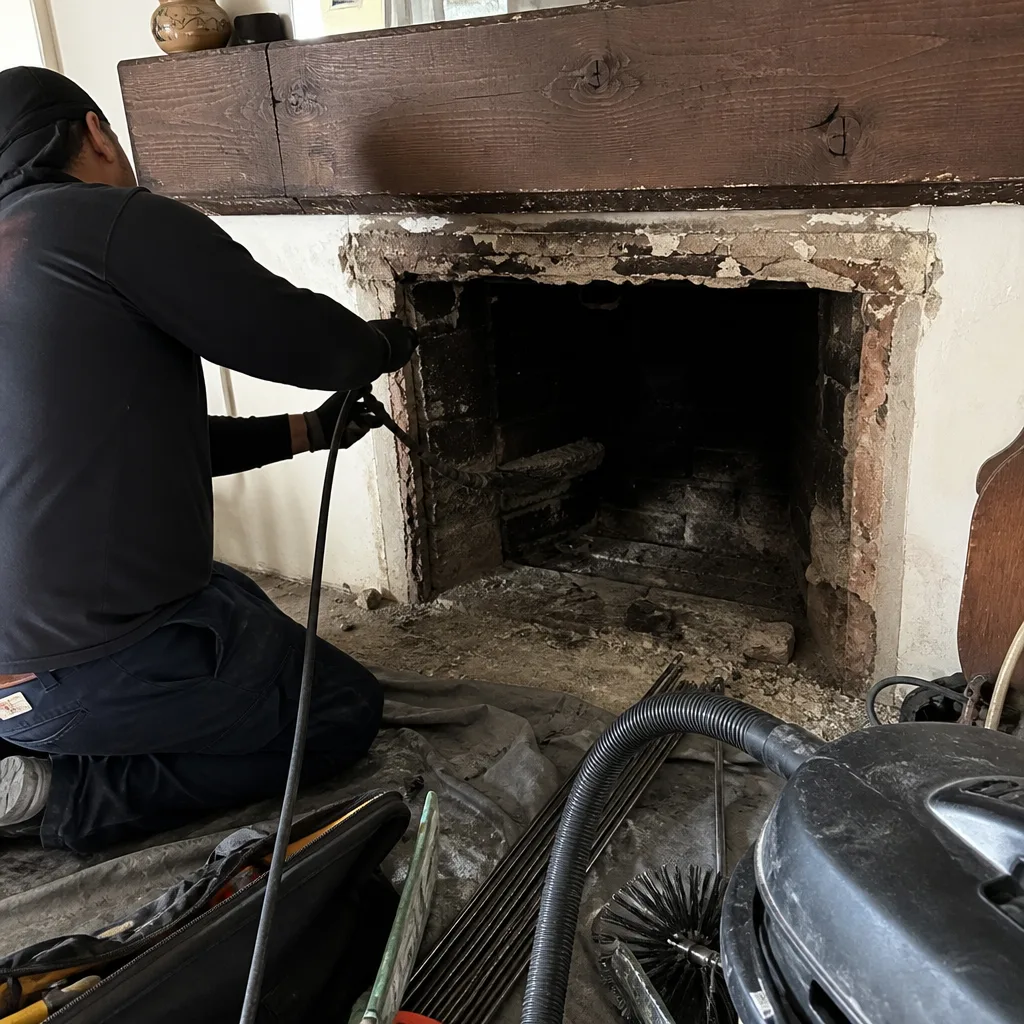
Creosote removers are the most aggressive of the three. They’re applied to a hot firebox or directly to creosote deposits, and they work by chemically altering the creosote so it can be brushed away or flaked off more easily. Professional products like Saver Systems’ Anti-Creo-Soot are used as part of a cleaning visit, not in place of one. The product weakens the bond between creosote and the flue wall, and the sweep removes what remains. A homeowner applying a creosote remover without brushing afterward is doing half the job and leaving behind loosened deposits that can still ignite.
Creosote modifiers are the maintenance product you add to fires between cleanings. They don’t remove creosote. They change its chemical structure, usually through a manganese or copper catalyst, so that the hard, glassy third-degree creosote doesn’t form in the first place. Instead, deposits stay in the softer, flakier first or second degree range, which brushes off more easily during the next sweep. Modifiers are useful for wood stove users who burn regularly, especially those burning softer woods or less-than-perfectly-seasoned wood. They’re not a substitute for cleaning, and they won’t fix a chimney that already has significant buildup.
Chimney cleaning logs, like the ones sold under the Creosote Sweeping Log brand, have the weakest effect of the three. They burn and release chemicals that interact with creosote, and they may help loosen some deposits near the top of the flue. But they can’t create the agitation that brushing provides, and they leave the heaviest deposits untouched. Think of them as a supplemental product between professional sweeps, useful for someone who burns a fire every few days during winter and wants to slow the accumulation. They won’t clean a chimney that actually needs cleaning.
When a contractor talks about “treating” your chimney, ask which category they mean. A sweep who says they’ll apply a creosote modifier is doing standard maintenance. A sweep who never mentions treatment at all is skipping a step that extends the life of your flue, especially if you burn wood regularly in Montecito Heights.
How to Ask a Contractor What Products They Use
Most homeowners feel awkward asking for specifics, so they don’t. That’s exactly what contractors relying on vague answers count on. Here’s how to have the conversation without being difficult about it.
First, ask the question directly: “What creosote treatment products do you use, and why did you choose them?” A contractor who answers with a brand name and a reason is someone who’s thought about their material choices. A contractor who says “we use professional products” without naming any is spinning. “Professional-grade” is a claim, not a specification, and you should treat non-specific answers as a yellow flag. Ask a follow-up: “Which brands specifically?” If the answer remains vague, the contractor may be using whatever’s cheapest at the supply house on the day they shop.
Second, when repair work comes up, ask for brand names in the written estimate. If a liner is being replaced, the estimate should say DuraFlex or an equivalent name, not just “new liner.” If the flue needs resurfacing, the estimate should say HeatShield or an equivalent cerfractory product. If you need a new cap, the estimate should specify the material and manufacturer, not just “chimney cap.” Here’s why this matters: a written brand commitment creates accountability. If the contractor installs something different from what’s written, you have documentation. If they won’t write down what they’re installing, ask yourself what they’re trying to keep off paper.
Third, pay attention to evasive phrasing. “We use the same products everyone uses” means they haven’t distinguished their materials from the cheapest option available. “You don’t need to worry about that” means they’d rather you didn’t. “The supplier recommends it” means they’re deferring their material choices to whoever sells them product, which is not the same thing as making a professional judgment. A contractor who knows their materials can name them in thirty seconds. One who can’t is either hiding something or doesn’t actually know what goes on your chimney, and neither is acceptable when you’re paying for fire safety.
Brand Names in Repair Work: Liners, Caps, and Crown Coatings
Chimney repair is where material quality has the most dramatic financial consequence. Sweeping is a maintenance task you repeat annually. Repair work is supposed to last decades, and the product chosen on day one determines whether it does.
For liner systems, the standard professional choice is a flexible stainless steel system like DuraFlex. DuraFlex liners are used when a chimney’s original clay tile liner is damaged beyond repair or when a homeowner is converting an unlined chimney for use with a wood stove or gas appliance. The liner is made from a specific grade of stainless steel with a corrugated profile that allows it to flex around offsets in the chimney. Installing a liner is a specialized job that requires proper sizing, insulation, and termination components. The brand matters because not all stainless steel is equal: the alloy grade and wall thickness determine how long the liner resists the corrosive byproducts of combustion. A liner that’s too thin or the wrong alloy will corrode through in a few seasons, and replacing a failed liner is more expensive than the first installation because now you’re also dealing with whatever damage the failure caused.
For flue resurfacing, HeatShield is the purpose-built solution when the original clay tile liner has cracked or spalled but the structure around it is still sound. HeatShield is applied with a specialized pump and a series of foam forms that press the cerfractory material against the flue walls, then the forms are removed and the material cures into a continuous, insulated surface. It’s not a patch. It’s a restoration system that brings the flue back to a smooth, insulated condition. We’ve seen the difference in person during inspections, and a properly applied HeatShield resurfacing is visibly different from a mortar wash or a spot repair in the same way a professionally sprayed truck bed liner differs from a rattle-can job. The product was engineered for this application, and it behaves accordingly.
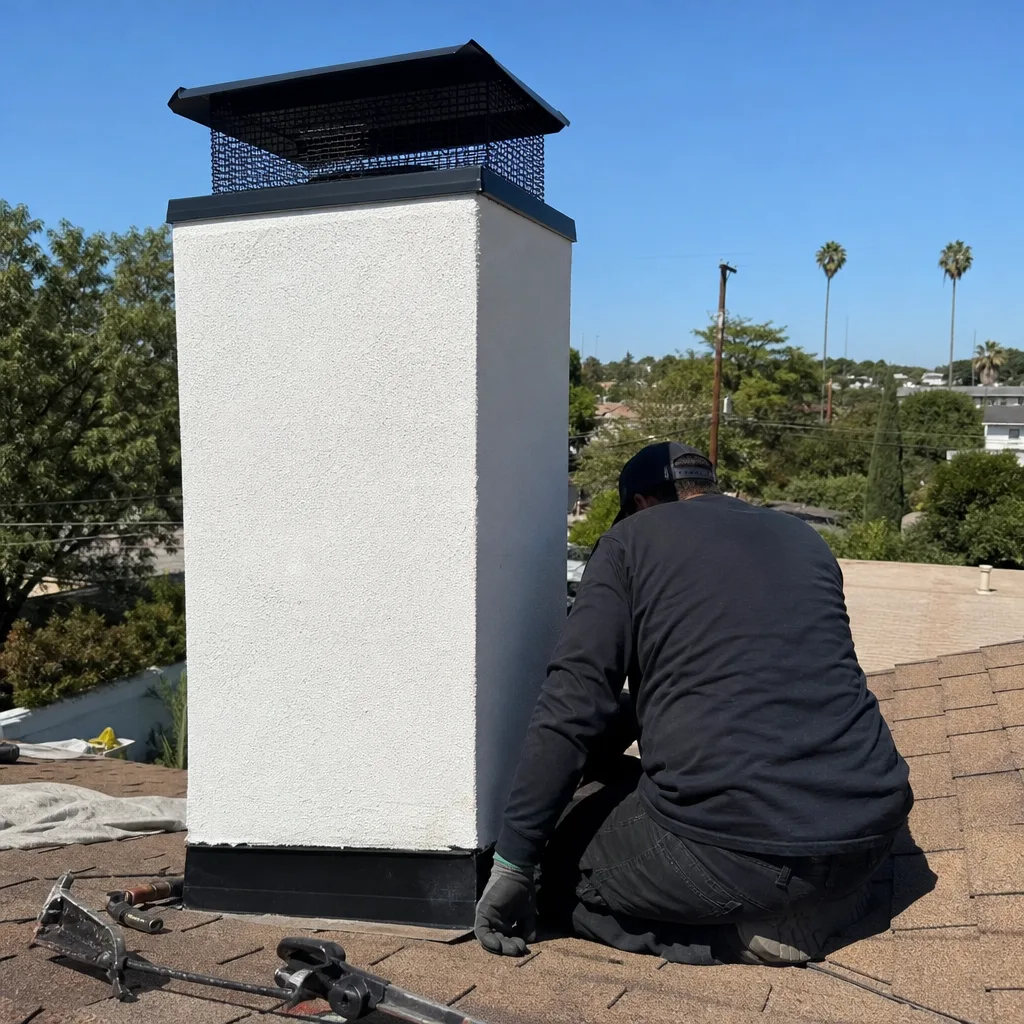
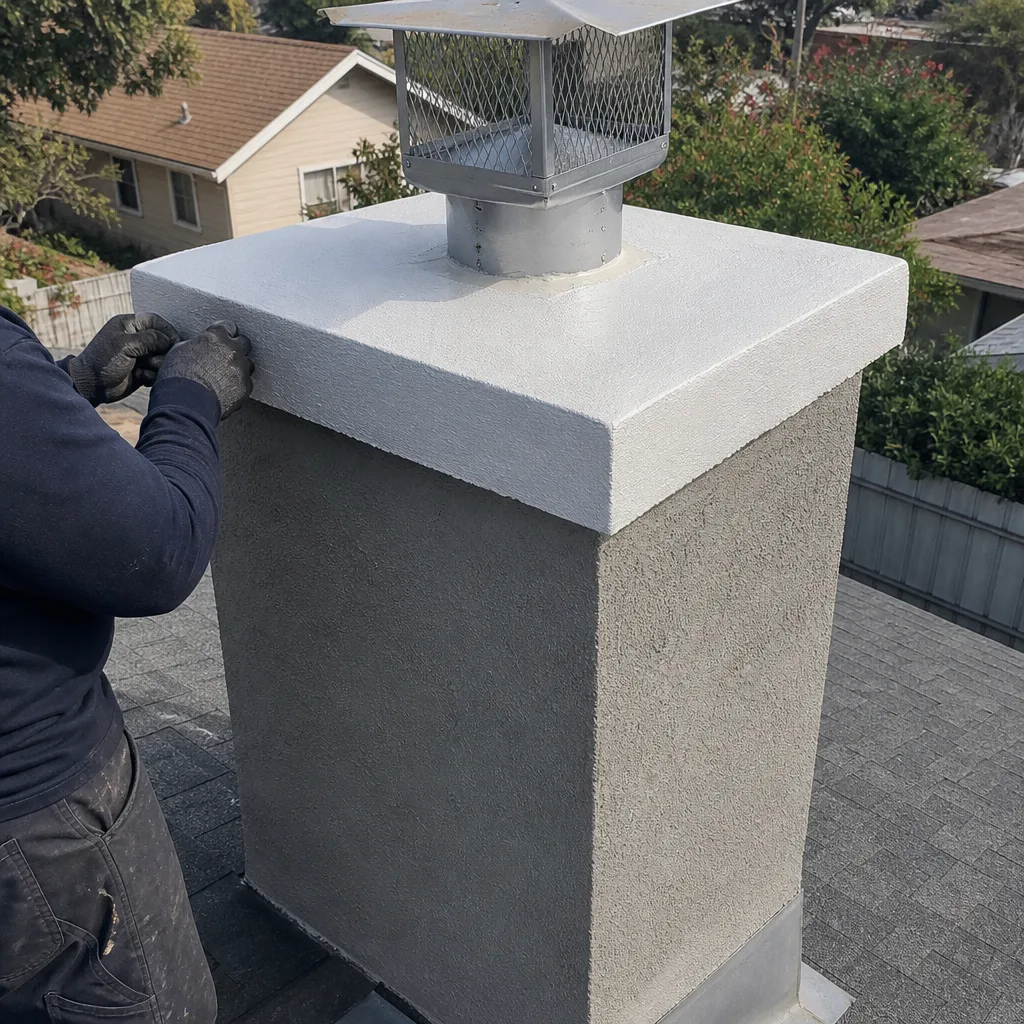
For caps, the choice comes down to material and construction. A Copperfield or Olympia Chimney cap is built from heavy-gauge stainless steel with a welded or crimped mesh that resists sagging and rust. The economy alternatives are often made from thinner metal with a painted or powder-coated finish that breaks down under UV exposure and thermal stress. In Montecito Heights, where chimney caps are exposed to intense sun and significant temperature swings, the economy cap is a false economy. You’ll replace it in three to five years, and each replacement means another service call, another ladder climb, and another set of fasteners driven into your chimney crown, which creates new potential water entry points every time.
For crown coatings, the products that work are elastomeric sealants designed for masonry exposure. Not silicone caulk from a tube, not roof cement smeared across the surface, but a formulated coating that bonds to the concrete crown and flexes with thermal movement. The brand names matter less here than the category: any contractor who assesses your crown and recommends a specific masonry coating product is thinking about the problem correctly. A contractor who says “we’ll just seal it up” without specifying what with is likely going to smear something on that fails within two seasons. Ask for the product name, and if you don’t recognize it, ask whether it’s an elastomeric masonry coating. If the answer is no, get another quote.
The Dryer Vent Angle Most Chimney Companies Ignore
Here’s something most homeowners don’t realize until it’s pointed out: your dryer vent is a fire hazard that functions exactly like a chimney in miniature. Lint accumulates in the duct, airflow drops, temperatures rise, and ignition becomes a real possibility. The U.S. Fire Administration attributes thousands of residential fires annually to dryer vent failure, and nearly all of them were preventable with routine cleaning and proper vent components.
Most chimney companies won’t touch dryer vents. It’s not their trade, and they’re not equipped for it. But the skill set translates directly: you’re clearing an exhaust pathway, inspecting for blockages and installation defects, and restoring proper airflow. At Chimney Sweep in Montecito Heights work, we’ve seen dryer vents packed with years of lint that the homeowner never knew was there because the dryer still worked, just more slowly. That’s the insidious part: the failure is gradual until it isn’t.
Famco is the brand that matters in this space. Famco manufactures dryer vent components, including the wall caps and terminations that prevent exterior air, pests, and debris from entering the vent. A proper Famco termination is a flap-style cap that opens under airflow pressure and closes when the dryer stops, with a screen or cover that keeps birds from nesting in the vent. The cheap alternatives stick open, clog with lint, or get jammed by debris, and each of those failures reduces airflow and increases fire risk. When we include dryer vent work in our service scope, the Famco components are part of why we’re confident the system will stay clear after we leave.
If you have a dryer in Montecito Heights and you’ve never had the vent cleaned, add it to the same service call as your next chimney sweep. One visit clears both hazard points. Separate contractors don’t need to be involved. The Dryer Vent Cleaning in Montecito Heights service exists because most homeowners don’t think about this until something goes wrong, and a combined visit is the simplest way to close the gap.
A 7-Point Checklist for Hiring in Montecito Heights
- Ask for creosote treatment brand names. The contractor should name a product line without hesitation. If you hear “professional products” with no specifics, that’s a sign their sourcing is generic. Professional chemical lines like Saver Systems are the standard for contractors who invest in their materials.
- Require brand names on any repair estimate. A liner replacement estimate should specify DuraFlex or an equivalent named system. A resurfacing estimate should specify HeatShield or an equivalent cerfractory product. Generic terms like “new liner” are an invitation for substitutes.
- Check the cap material. If you’re getting a new cap, make sure it’s stainless steel from a recognized manufacturer like Olympia Chimney or Copperfield, not powder-coated steel. Stainless costs more up front and costs far less per year of service.
- Ask about dryer vent cleaning. If the company doesn’t offer it, that’s normal but notable. If they do, ask what vent components they use. Famco is the name to hear.
- Confirm the sweep includes a visual inspection. The brushing itself is the minimum. A proper sweep includes checking the flue walls, crown, cap, and flashing while the chimney is accessible. If the contractor doesn’t look at the whole system, they’re not doing the job.
- Get the price before work starts. A sweep is a flat-price job when the chimney is in normal condition. If the price changes after they’re on the roof, you should understand exactly why before approving anything.
- Ask how often they recommend cleaning for your usage pattern. The answer should be based on how much you burn and what you burn, not a one-size-fits-all schedule. Wood stove users need more frequent cleaning than occasional fireplace users, and a contractor who treats them the same is applying a default rather than a judgment.
Common Mistakes to Avoid
- Choosing by price alone. Two sweeps charging similar rates can use very different materials, and the one using generic products is cutting costs somewhere you can’t see. Price similarity doesn’t mean quality similarity. Compare material specifications, not just dollar amounts.
- Trusting “professional-grade” as a meaningful phrase. Every contractor says it, and it means nothing without brand names attached. “Professional-grade” is the verbal equivalent of a stock photo: it looks right but tells you nothing about what’s actually on the truck.
- Using a cleaning log instead of a sweep. Chimney cleaning logs are a maintenance supplement, not a replacement for brushing. If you’re using them to avoid paying for a sweep, you’re accumulating creosote that the log isn’t removing. Montecito Heights chimneys used regularly through winter need physical cleaning, full stop.
- Skipping the dryer vent because it’s “separate.” Your chimney and dryer vent are both exhaust systems that move hot air and accumulate flammable deposits. Treating them as unconnected maintenance items means one of them is probably being neglected. The fire risk doesn’t care that they’re different trades.
- Accepting an estimate that doesn’t specify materials. A repair estimate that says “liner replacement” without a product name gives the contractor full discretion to install the cheapest option that qualifies. You’re not buying a service description. You’re buying specific materials installed correctly.
- Ignoring the cap until it fails visibly. By the time a cap rusts through or detaches, water has likely already entered the flue and started degrading the interior. Cap inspection is part of every sweep for a reason, and ignoring replacement recommendations means paying for bigger repairs later.
- Hiring without asking about the inspection. A sweep is a chimney cleaning and a fire safety inspection should accompany it. Contractors who brush and leave without checking the flue, crown, and cap are delivering half the service.
When to Call a Professional
Any of these situations means it’s time to schedule a visit rather than continuing to think about it. If you notice a strong smoky odor in the house even when the fireplace isn’t in use, if you see dark staining or crusty buildup around the damper or firebox opening, if you hear falling debris in the chimney, or if you’re burning regularly and can’t remember the last time it was cleaned, those are concrete signals. For dryer vents, the specific triggers are longer drying times, a burning smell while the dryer runs, or a flapper vent that stays open. None of these resolve themselves, and each one points to a system that’s accumulating flammable material or losing function. Chimney Repair in Montecito Heights and sweep work is seasonal, and the right time to book is before the burning season, not during the first cold snap when everyone else is calling. Ironwood Chimney Sweep offers free estimates in Montecito Heights – call (866) 282-3944.
Frequently Asked Questions
A standard chimney sweep in Montecito Heights typically runs between $150 and $300 depending on chimney height, accessibility, and the amount of buildup. Heavily glazed chimneys or those with animals or obstructions may run higher because the work takes longer. Call (866) 282-3944 for an exact quote based on your chimney – estimates are free.
For a wood-burning fireplace used a few times per week during winter, annual cleaning is the standard recommendation. A wood stove used as a primary heat source may need cleaning every 40 to 60 fires, which for many households means twice per season. Occasional fireplace users can often go 18 to 24 months. The specific answer depends on what you burn and how often, and the right contractor will ask those questions rather than giving a blanket schedule.
Chimney cleaning logs do release chemicals that interact with creosote and may loosen light deposits near the top of the flue, but they cannot replace a physical brushing and they will not remove significant buildup. Use them as a supplement between professional sweeps if you burn regularly. They’re not a cleaning method, and treating them as one creates a false sense of security.
Visible cracks in the masonry, a rusted or missing cap, crumbling mortar joints, water stains on the ceiling near the chimney, or flue tiles found in the firebox are all indicators of repair needs rather than routine maintenance. During a sweep, a contractor should identify these issues and show you photos or camera footage so you can see the condition for yourself. A repair never needs to be accepted blindly.
For households that do frequent laundry loads, annual dryer vent cleaning is honestly the right interval. Lint accumulates steadily, and even a partial restriction raises operating temperatures and increases fire risk. If you have a long vent run, multiple bends, or a vent that terminates through the roof, you’re at higher risk and should be more diligent. The cost of an annual cleaning is far lower than the cost of a house fire.
For maintenance chemicals, look for professional lines like Saver Systems rather than retail shelf products. For liner work, DuraFlex is the benchmark in flexible stainless systems. For flue resurfacing, HeatShield is the recognized cerfractory solution. For caps and terminations, Olympia Chimney and Copperfield make stainless components that last. A contractor who names these products and explains why they use them is working at a professional standard. Call (866) 282-3944 to ask us directly about what we use and why.
The Bottom Line
Choosing the right chimney cleaning brand comes down to asking for names and refusing vague answers, as covered in our Complete Guide to Chimney Cleaning in Montecito Heights. The products a contractor uses reveal more about their standards than any marketing claim, and in Montecito Heights, where thermal cycling and moisture punish inferior materials, those standards translate directly into how long your chimney stays safe and functional. Whether you’re scheduling a routine sweep, evaluating a liner replacement, or adding a dryer vent cleaning to the same visit, knowing what to ask puts you in control of the outcome. You don’t need to be a chimney expert. You just need to know what a straight answer sounds like, and what evasive phrasing is telling you. The right contractor will name their materials in thirty seconds. And if they won’t, call the next one.
Written by the team at Ironwood Chimney Sweep, serving Montecito Heights since 2013.
See the difference
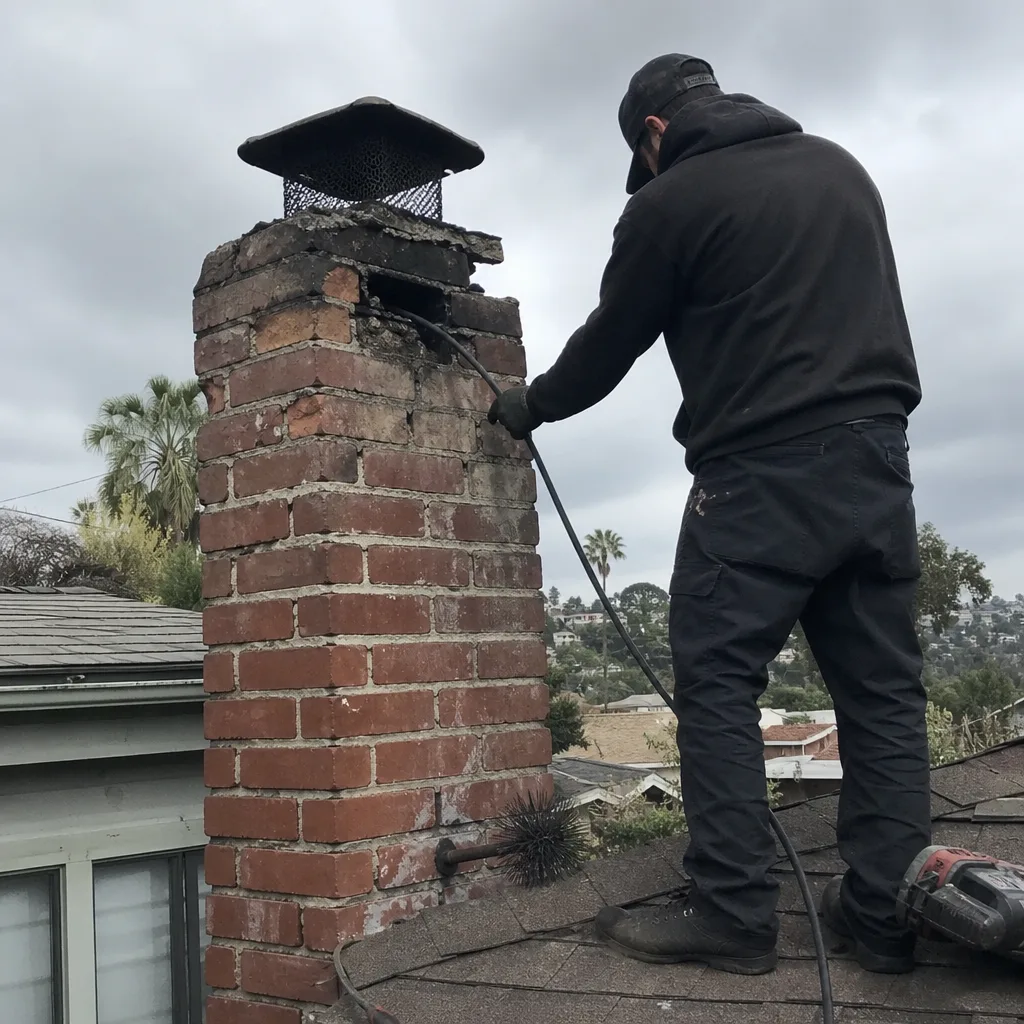 Before
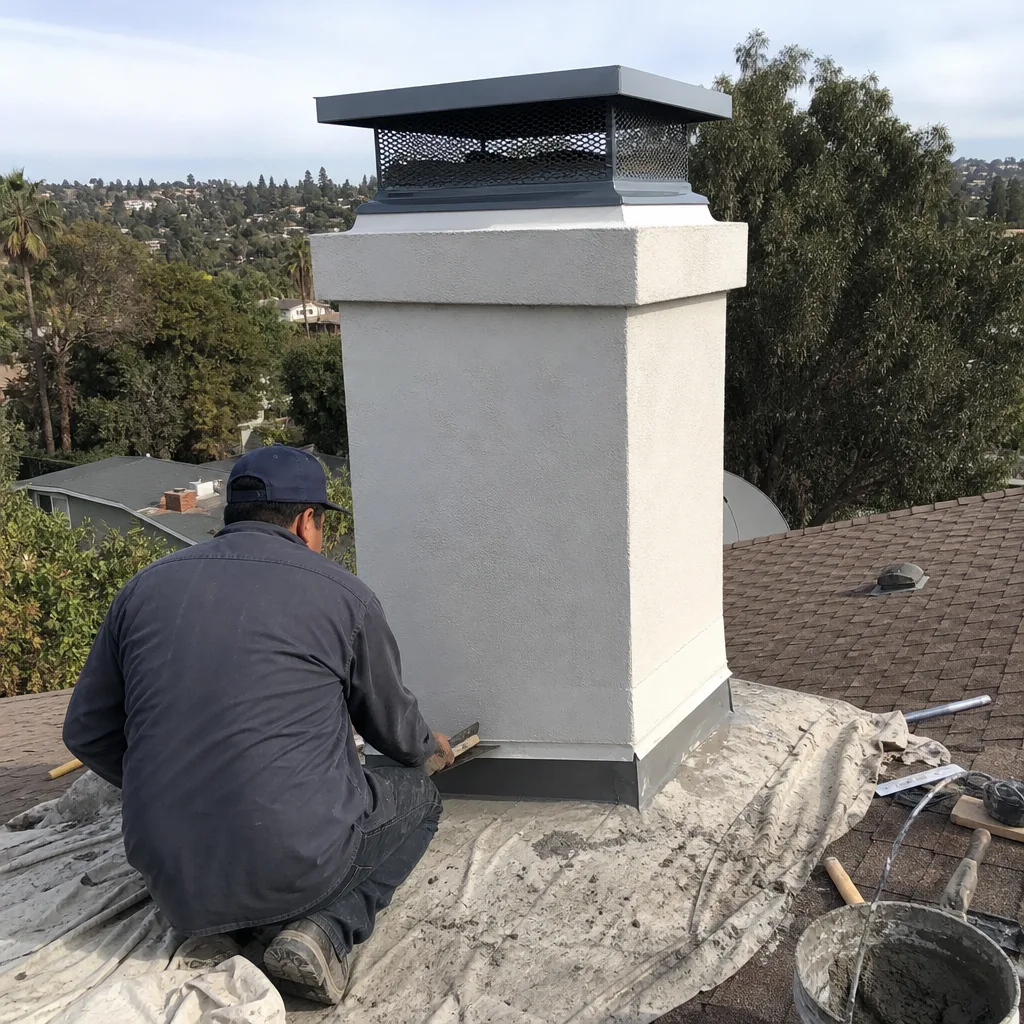 After
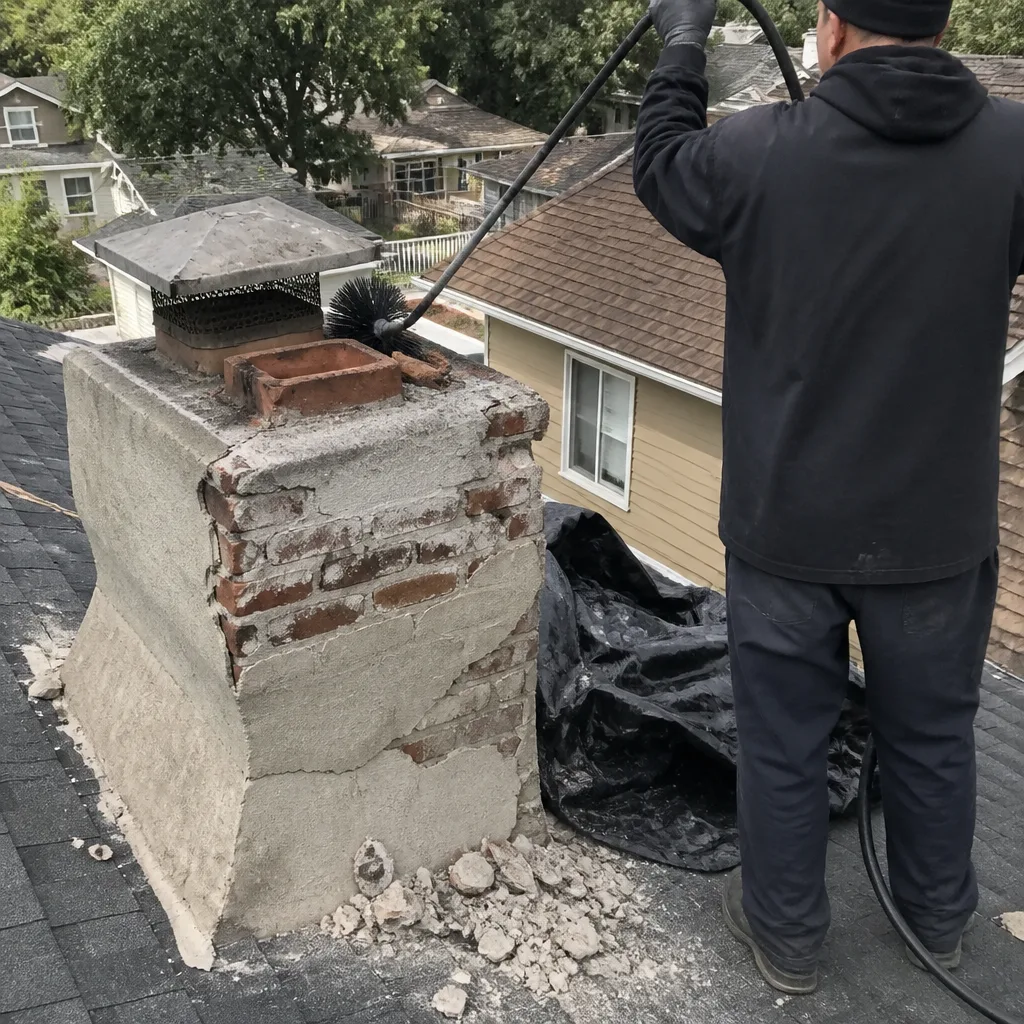 Before
 After
 Before
 After