
Last updated November 2, 2026
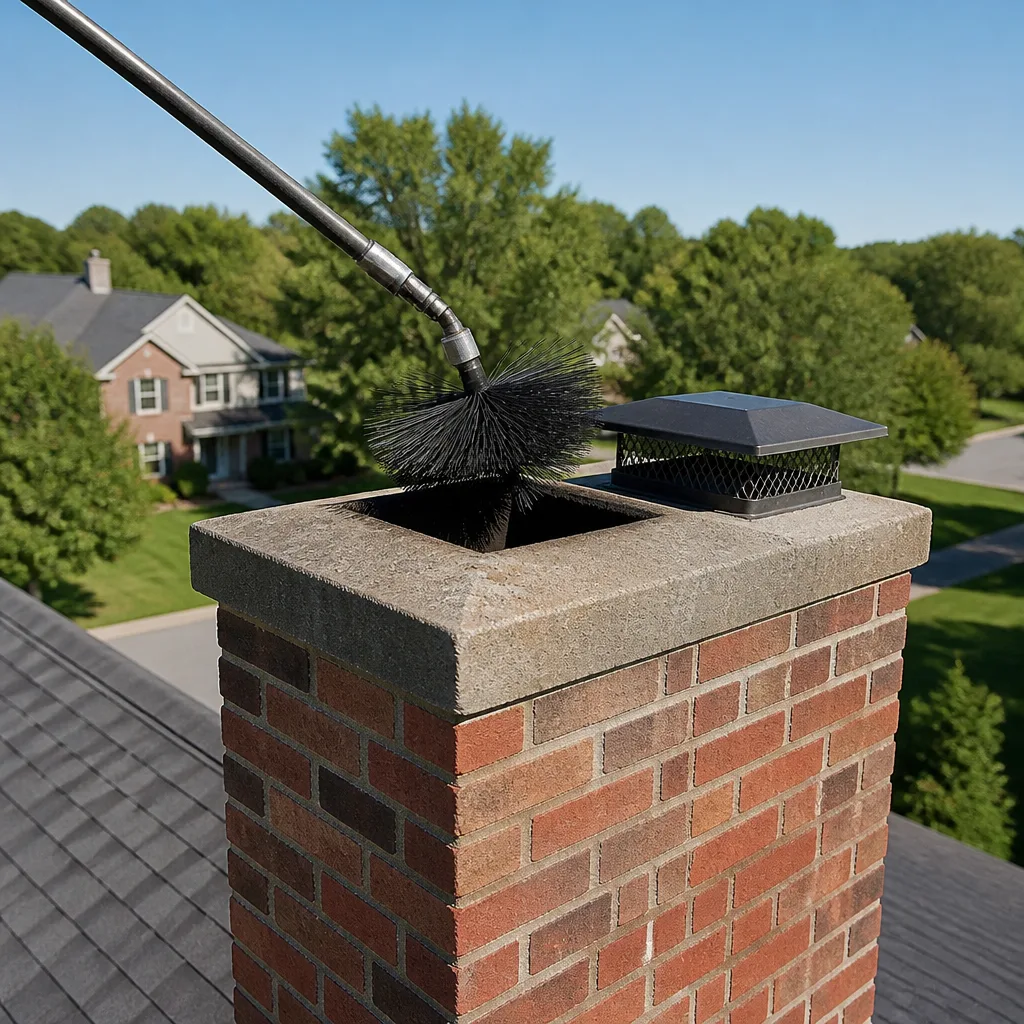 Sweep & inspection
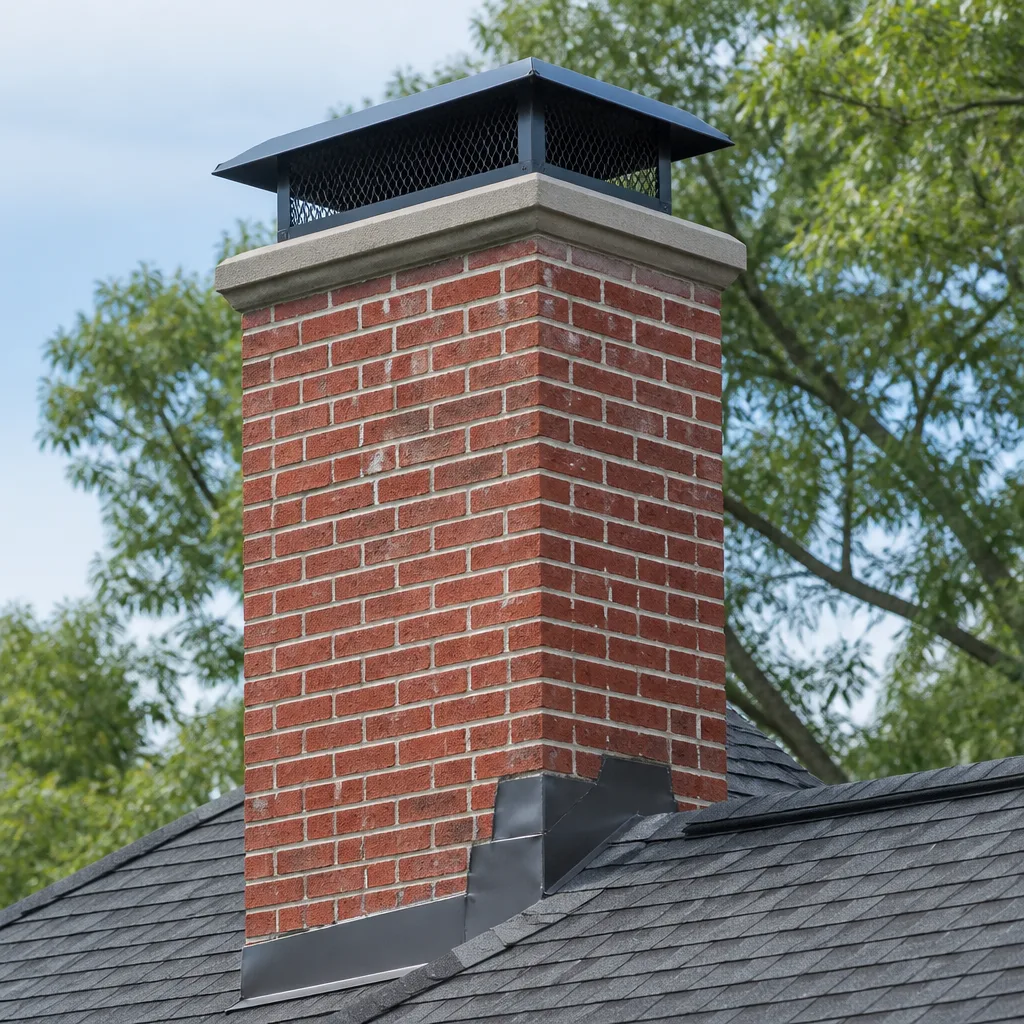 Caps & crowns
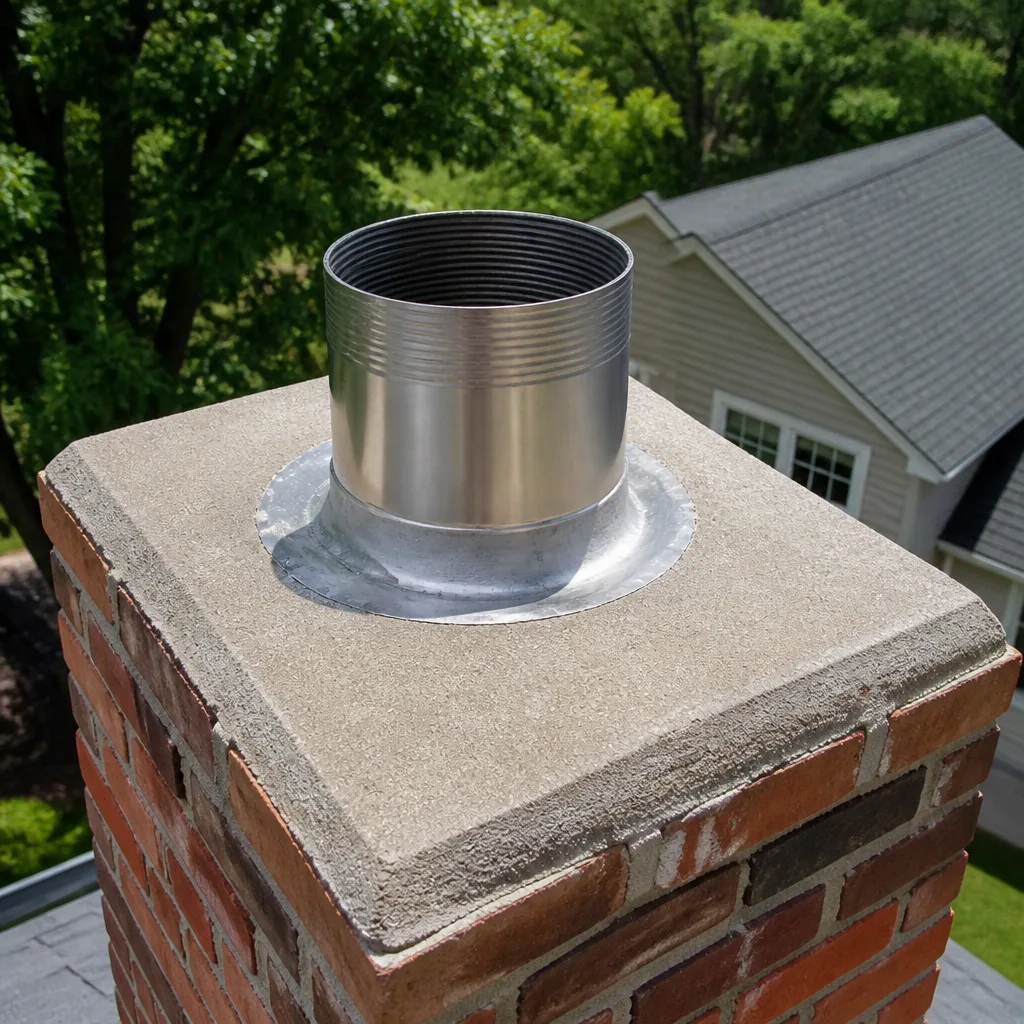 Flue relining
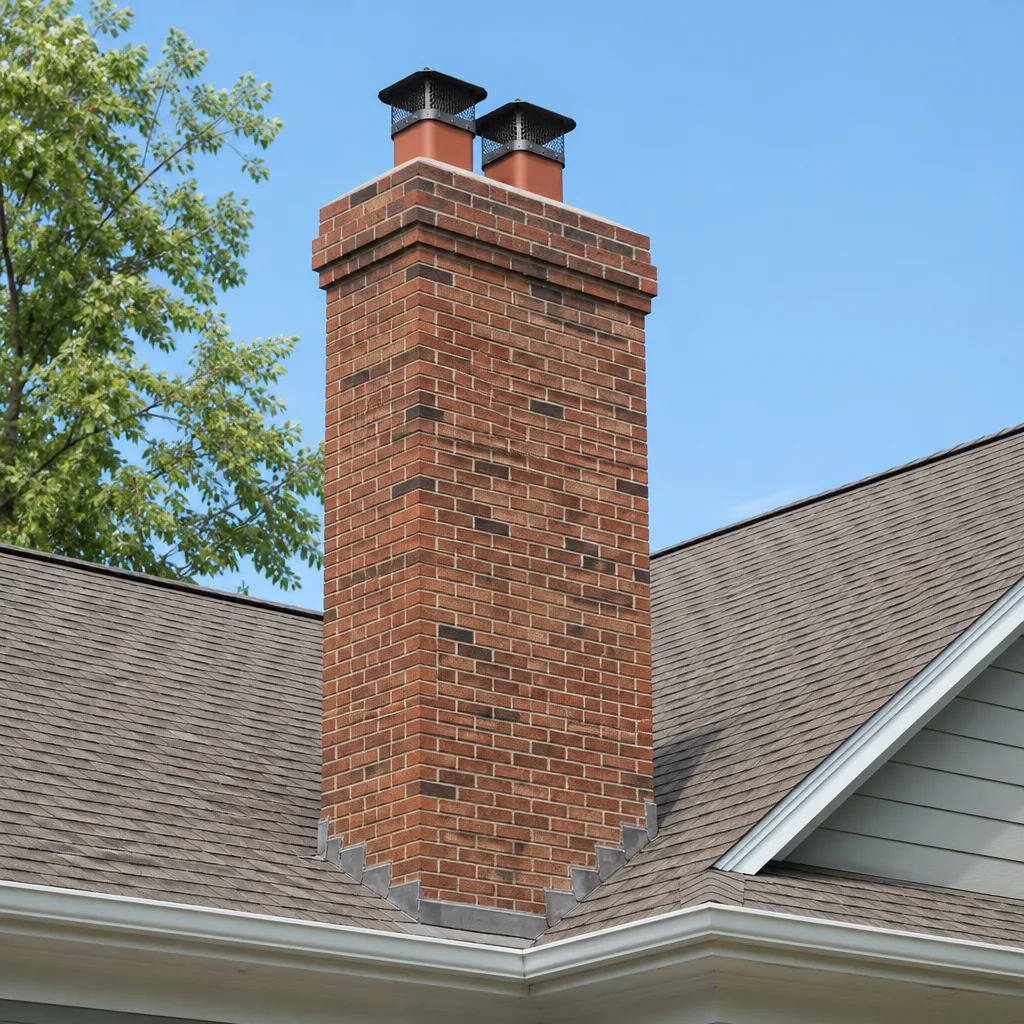 Masonry repair
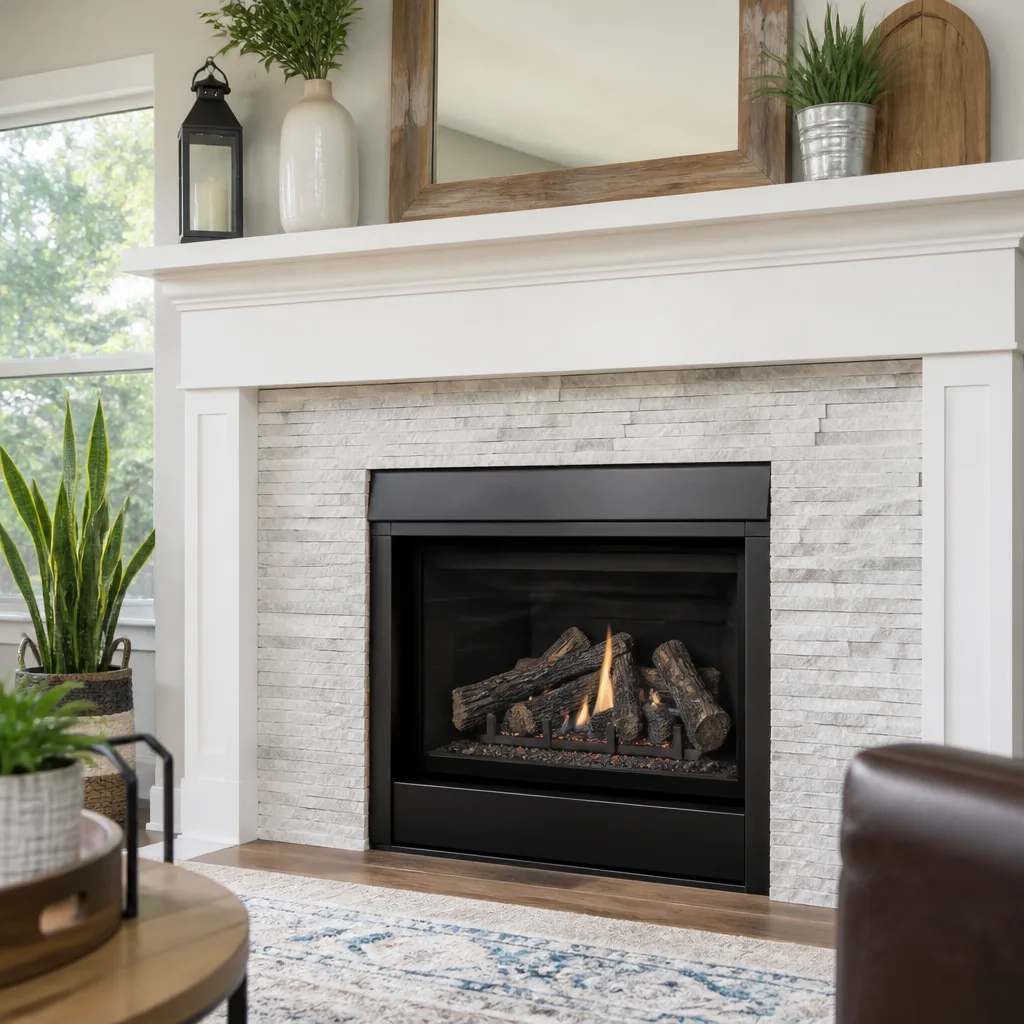 Gas fireplace service
Level 1 sweep and inspection to the NFPA 211 annual standard - flue, crown, cap, and flashing checked and photographed
Chimney sweep logs do not sweep chimneys. They loosen some creosote - which then falls where a brush and vacuum still have to collect it.
Chimney Cleaning Emergency Preparedness Guide for Montecito Heights Homes
A chimney fire sounds like a freight train inside your walls. Most Montecito Heights homeowners who’ve had one say the same thing: they waited several minutes before calling 911 because they didn’t recognize what they were hearing. That delay matters. By the time flames are visible from the chimney top, the fire has usually been burning inside the flue for several minutes already. This guide walks you through exactly what to do in the first five minutes of each type of chimney emergency, plus what to install now so you never have to use most of it. We’ve built this specifically for the homes, climate, and fire conditions of Montecito Heights.
Styles & brands we work with
- Sweep & inspection
- Caps & crowns
- Flue relining
- Masonry repair
- Gas fireplace service
Quick Answer
An emergency chimney response in Montecito Heights comes down to three things: know the warning signs of each emergency type (active chimney fire, carbon monoxide, animal entry, or sudden blockage), take the right immediate action before calling for help, and have two specific safety items installed ahead of time – a properly placed CO detector and a fitted chimney cap. Most emergencies become disasters because homeowners hesitate, not because help is far away.
Table of Contents
- How to Identify an Active Chimney Fire in Montecito Heights
- Carbon Monoxide from a Blocked Flue: Symptoms and Source
- Animal in the Fireplace: The Right Sequence
- Post-Emergency Inspection: What Must Be Checked Before You Burn Again
- Preparedness: The Two Installations That Prevent Most Emergencies
- Common Mistakes to Avoid
- When to Call a Professional
- Frequently Asked Questions
- The Bottom Line
How to Identify an Active Chimney Fire in Montecito Heights
Chimney fires in Montecito Heights are not a rare occurrence. The hillside homes here burn wood through winter, and many chimneys go years between cleanings. When creosote – the tar-like residue that builds up inside a flue – reaches about a quarter inch of thickness, it becomes fuel. Once it ignites, it burns at temperatures that can exceed 2,000°F.
The first sign is almost always sound. A chimney fire produces a low, rumbling roar that homeowners compare to a freight train or a low-flying jet. It’s constant, not intermittent, and it seems to come from inside the walls rather than from the firebox. The second sign is a hot, acrid smell – something like burning tar or asphalt. The third sign, when you can see it, is dense, dark smoke pouring from the chimney top, sometimes with visible flames or glowing embers shooting out.
When we sweep chimneys in this part of Los Angeles, we regularly find creosote accumulation levels that would alarm most homeowners if they could see what we see. The problem is that the inside of a flue is invisible to the person sitting by the fire. By the time warning signs appear, the fire has already started.
Three Steps to Take Before LAFD Arrives
- Call 911 immediately. Do not wait to confirm. A chimney fire is a structure fire. The Los Angeles Fire Department responds to chimney fires in Montecito Heights regularly and knows what to look for, including fire that has spread into attic spaces or wall cavities through cracked flue liners.
- Close the fireplace damper and glass doors if you can safely reach them. This cuts off oxygen to the firebox side of the fire, slowing its growth. Do not throw water on a chimney fire. Water hitting superheated masonry can crack the flue liner, turning a contained fire into a house fire.
- Evacuate everyone from the home. Chimney fires can extend into surrounding framing faster than most people expect. Get out, stay out, and wait for LAFD to complete their inspection, including checking the attic and adjacent walls with thermal imaging.
Homes in Montecito Heights built before the 1960s often have unlined or clay-tile-lined chimneys. Clay tiles crack under repeated heating and cooling cycles. Once a tile cracks, a chimney fire has a direct path to the wood framing around the flue. This is why the post-fire inspection we describe later in this guide matters at least as much as the firefighting itself.
If you’ve had a chimney fire or suspect you’ve had one, our Chimney Sweep in Montecito Heights service includes a full flue inspection with camera documentation, which is what your insurance company will want to see before covering repairs.
Carbon Monoxide from a Blocked Flue: Symptoms and Source
Carbon monoxide poisoning from a chimney is a slower emergency than a chimney fire, but it kills more people every year. The gas is odorless, colorless, and slightly lighter than air. A blocked or malfunctioning flue pushes CO back into the living space instead of venting it outside. In Montecito Heights, where hillside homes are often weatherized against wind and cool nights, CO incidents are more likely because tightly sealed homes have fewer air leaks to dilute the gas.
The symptoms come on in a specific pattern. Headache, dizziness, and nausea appear first – often described as flu-like. Then confusion and drowsiness follow. What’s distinctive is that symptoms improve when you leave the house and return when you come back. Multiple family members get sick at the same time. Pets, being smaller, show signs first.
What Blocks a Flue in Montecito Heights
- Creosote buildup that has hardened into a thick, glaze-like layer narrowing the flue opening.
- Animal nests – raccoons, squirrels, and birds all move into uncapped chimneys in the hills here.
- Debris from wind and storms – Montecito Heights gets strong seasonal winds that can drop branches and leaves into an uncapped flue overnight.
- Collapsed flue liner – cracked clay tiles from old earthquakes and thermal stress can dislodge and partially block the passage.
- Dead animals – a bird that dies inside the flue creates an immediate physical blockage and an odor problem.
What to Do in a Suspected CO Emergency
- Get everyone out of the house immediately. Do not open windows and wait. Evacuate first.
- Call 911 from outside. LAFD will ventilate the home and test CO levels before you go back in.
- Do not re-enter until the fire department tells you to. CO concentration can remain dangerous for hours if the source isn’t found.
- Once cleared, have the chimney swept and inspected before any further use. A blockage that caused one CO incident will cause another.
Our Chimney Repair in Montecito Heights service includes camera inspection that identifies exactly where a blockage occurred and whether a damaged liner needs HeatShield resurfacing or a DuraFlex liner replacement. We don’t recommend repairs without camera evidence you can see yourself.
Animal in the Fireplace: The Right Sequence
A raccoon, squirrel, or bird in your fireplace is a different kind of emergency. It’s not immediately life-threatening, but the wrong response can turn it into property damage, injury, or a dead animal decomposing inside your flue. Montecito Heights sits against natural hillside habitat. Raccoons are common, and they’re strong enough to push through a loose damper. Birds travel down flues and get trapped behind glass doors.
The animal did not choose your fireplace out of malice. It fell in or climbed down looking for shelter. Most animals trapped behind glass fireplace doors are panicked, not aggressive – but a cornered raccoon will bite. The sequence matters.
Do This, In This Order
- Close the doors to the room with the fireplace. Contain the animal. Open a window or exterior door in that room if possible, so the animal has an escape route.
- Keep pets and children out of the room entirely. A barking dog will drive the animal into a defensive frenzy.
- Stay quiet and still. Watch from a distance. Many birds will fly toward an open window within 20 to 30 minutes when the room is calm.
- If the animal doesn’t leave on its own, call a wildlife removal service. Do not try to grab or trap a raccoon yourself. Do not attempt to smoke the animal out – burning a fire under a trapped animal is inhumane and pushes it further up the flue, sometimes killing it.
- Once the animal is out, check the damper. A raccoon that forced its way past a damper has likely damaged it. A replacement damper is a straightforward repair.
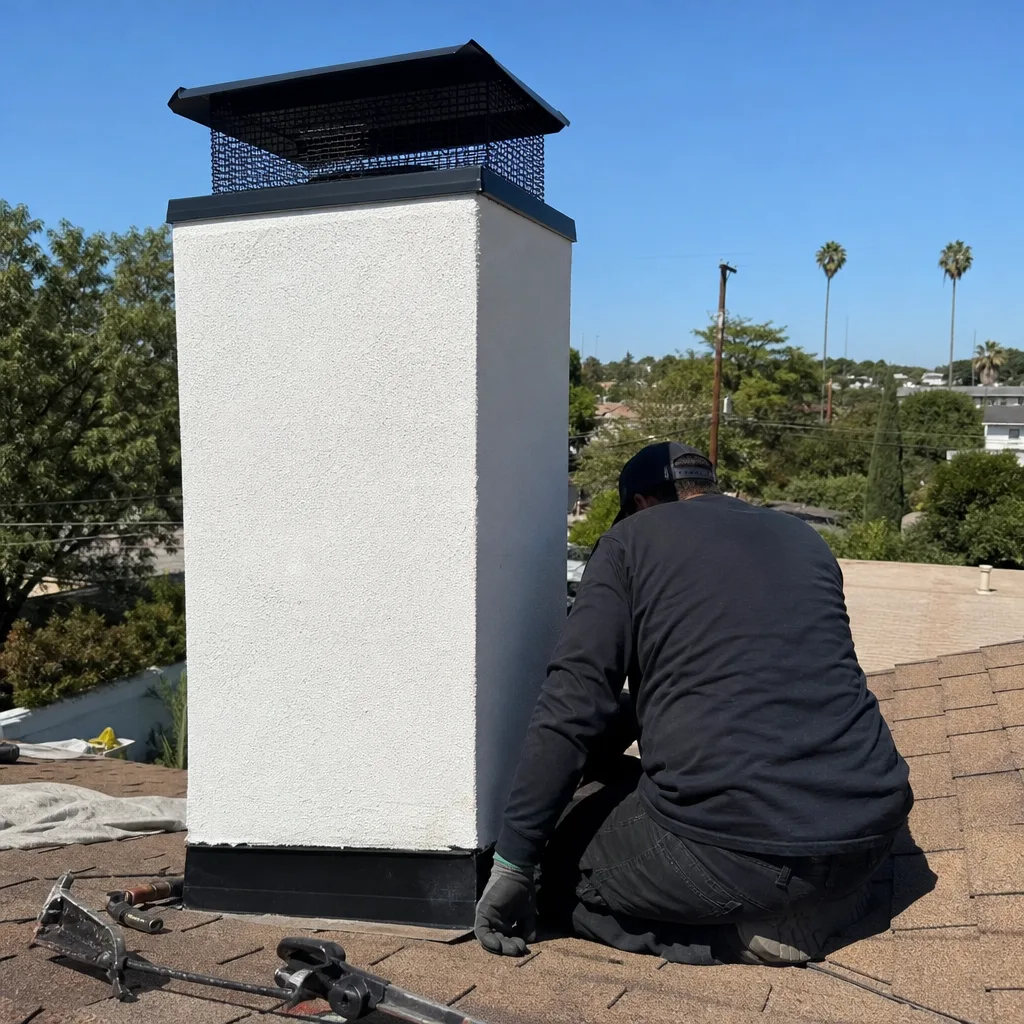
Long-term prevention is simple: a properly fitted chimney cap with a spark arrestor. In our experience, most animal entry in Montecito Heights happens in homes with missing or rusted-out caps. We install caps from Olympia Chimney and other professional-grade manufacturers, not the universal-fit hardware that shifts and leaves gaps. Animal entry through an uncapped flue is one of the top reasons homeowners call us for an emergency sweep after winter.
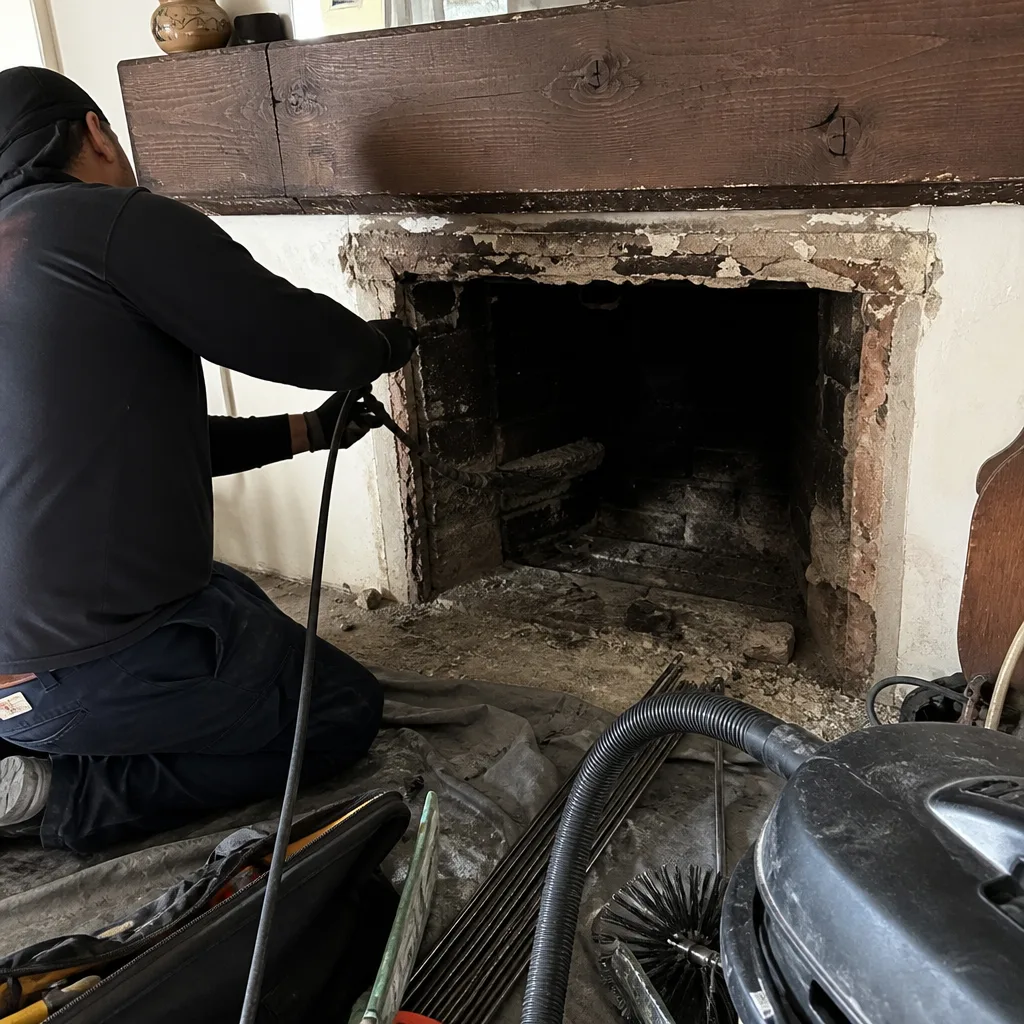
If you need the chimney cleaned after an animal has been inside – and you should, because nests and droppings are fire hazards and health hazards – our chimney sweeping in Montecito Heights removes nesting material and creosote together, leaving the flue clear and documented with photos.
Post-Emergency Inspection: What Must Be Checked Before You Burn Again
After any chimney emergency in Montecito Heights – fire, CO incident, or animal removal – the fireplace should not be used again until a professional inspection confirms the flue is intact and clear. This is not optional. A flue that survived one event may be weakened in ways you cannot see, and the next fire is the one that spreads into the house.
A proper post-emergency inspection covers five specific checkpoints. If a sweep offers to just “look at it” without a camera, call someone else.
- Flue liner condition. A camera inspection should document every foot of the flue, looking for cracks, gaps, or collapse in clay tiles. In Montecito Heights, where many homes date to the 1930s through 1950s, deteriorated original liners are common.
- Creosote fuel load. The inspection should measure creosote thickness and note whether it’s the flaky kind (easier to remove) or the hardened, tar-like kind (requires stronger mechanical removal). Either way, it should be removed before burning resumes.
- Masonry and mortar condition. The exterior chimney stack, crown, and flashing should be checked for cracks that let water in. Water damage accelerates liner failure.
- Damper operation. The damper should open and seal fully. A warped damper after a chimney fire is a common finding.
- Chimney cap and spark arrestor. These should be present, correctly sized, and secure. Missing caps are an open invitation to animals and water.
- Waiting to “see if it gets worse” during a suspected chimney fire. A chimney fire never puts itself out. The delay allows the fire to extend into surrounding framing. If you hear the freight-train sound, call 911 first and diagnose later.
- Pouring water into the fireplace during a chimney fire. Water contacts superheated masonry and can shatter flue tiles instantly. The fire then spreads into the wall cavity through those new cracks. This is one of the most dangerous and common mistakes we hear about in Montecito Heights.
- Assuming a smoke-free chimney means a clean chimney. You can have a flue packed with creosote that still drafts well enough to avoid visible smoke. Smoke visibility is not a cleaning indicator.
- Closing all windows and doors before evacuating during a CO alarm. You want the house ventilated, not sealed. But do not stay inside to open windows. Evacuate, then let LAFD handle ventilation.
- Using a chimney fire as the only reason to get a sweep. The annual sweep is what prevents the chimney fire in the first place. Waiting for an emergency to get maintenance is backwards.
- Reusing a fireplace after an animal removal without cleaning it. Nests are flammable. Droppings are a biohazard. A flue that hosted a raccoon needs a full sweep before the next fire.
- Installing a battery-only CO detector and forgetting the battery. A dead battery is no protection. Use hardwired detectors with battery backup, or set a calendar reminder to replace batteries every six months.
When the inspection finds damage, the repair options should be explained in plain language with the camera footage as evidence. For flue liner damage, we recommend either HeatShield resurfacing – a purpose-engineered ceramic coating applied inside the existing flue – or a DuraFlex stainless steel liner system, which creates a new flue path inside the old one. We choose based on the specific damage, not based on which product is easier for us. Straightforward.
Insurance documentation matters here. After a chimney fire, your homeowner’s insurance company will want the inspection report, the camera images, and a written description of the repair method. A sweep who can’t provide those documents leaves you paying out of pocket. Our chimney repair service in Montecito Heights produces exactly that documentation for every post-emergency inspection.
Preparedness: The Two Installations That Prevent Most Emergencies
Most chimney emergencies in Montecito Heights never have to happen. Two items – correctly installed – prevent the biggest share of what we get called out for after the damage is done. Both are one-time installations that pay for themselves the first time they work.
1. A Carbon Monoxide Detector in the Right Place
A CO detector belongs on every level of your home, within 15 feet of each sleeping area. In Montecito Heights, many hillside homes are multi-level, with bedrooms on the upper floor. Put a detector on that upper floor even if the fireplace is on the ground level. CO rises with warm air, so upper floors reach dangerous concentrations first. Test the detector monthly. Replace it every 5 to 7 years, following the manufacturer’s date stamp. A CO detector that’s 10 years old may look fine but has a dead sensor.
Here’s what surprises most homeowners: the fireplace is not the only CO source in your home. A gas water heater, a gas furnace, or a gas dryer – all of which vent through their own flues or vents – can all produce CO if their vents are blocked. This is why the full venting picture matters, not just the chimney.
2. A Properly Fitted Chimney Cap with Spark Arrestor
A chimney cap does two jobs. It keeps animals out – which eliminates the animal-entry emergency and the CO-blockage emergency that animal nests cause. And it contains embers and sparks, which matters in a fire-prone region like the hills around Montecito Heights. A spark from an uncapped chimney landing on a shake roof or dry brush is a wildfire starter.
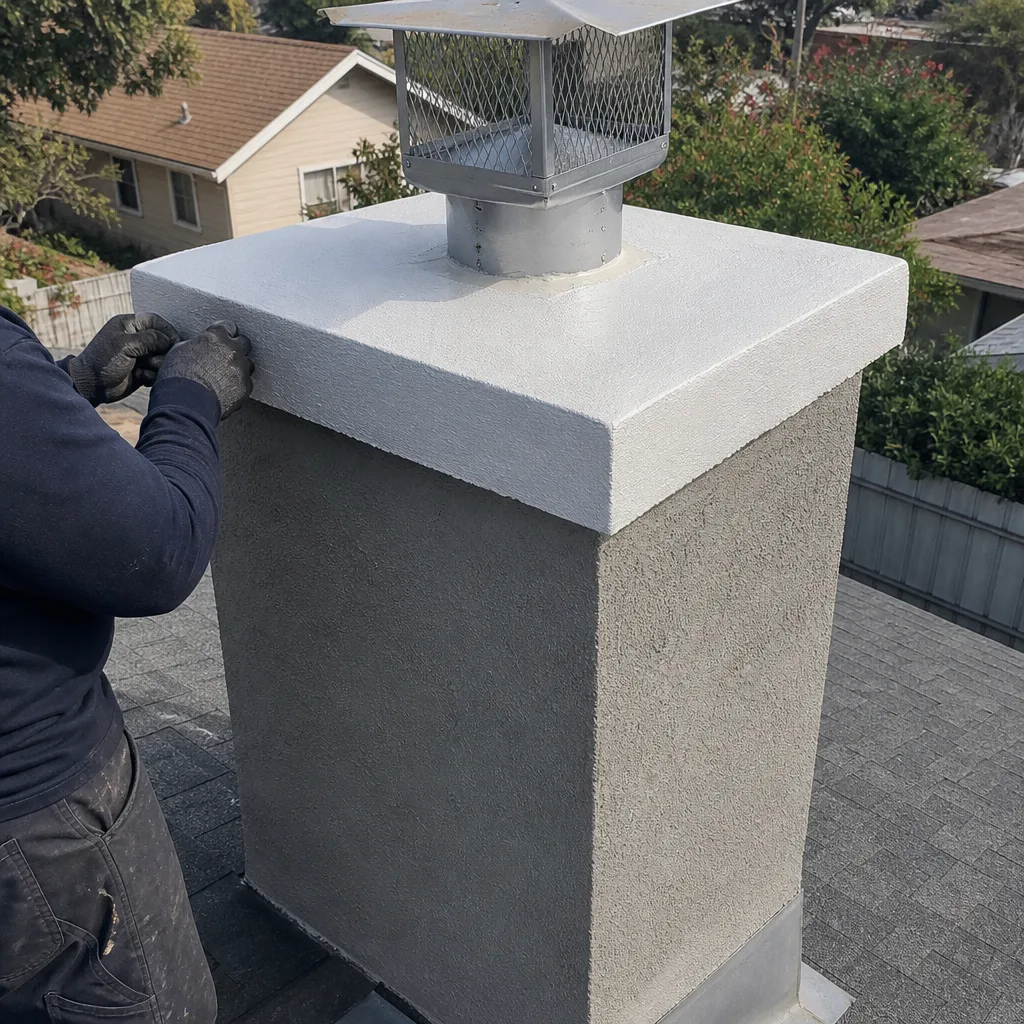
The cap must be sized specifically to your flue and installed correctly. A universal cap that clamps on loosely shifts in wind, leaves gaps, and eventually blows off. We install caps built to spec. The brands we use – Olympia Chimney and Copperfield – are familiar to any professional in this trade. They’re built to survive actual weather on actual roofs.
If your chimney has no cap, or the cap is rusted and loose, that’s a mechanical issue with a known fix. Install the right cap now, before the next raccoon or the next ember finds it. Our Ironwood Chimney Sweep home services include cap inspection and installation as part of every sweep.
One more preparedness note, because we see it constantly: know how to close your damper quickly. In an emergency, people fumble with dampers they use twice a year. Practice it once, when things are calm, so the motion is in your muscle memory. It’s a small thing that can matter a lot.
Common Mistakes to Avoid
When to Call a Professional
Some situations you handle yourself. These, you don’t: any suspected chimney fire, even a small one. Any CO alarm that triggers and is not clearly a false alarm. Any animal trapped in the fireplace that won’t leave on its own. Any flue blockage you can’t see past. And any time you feel that the fireplace is “acting differently” – more smoke inside, unusual smells, visible soot falling into the firebox. Trust that instinct. It usually indicates a real mechanical problem. Ironwood Chimney Sweep offers free estimates in Montecito Heights – call (866) 282-3944. We’ll inspect, show you the camera evidence, and tell you plainly what needs work now and what can wait. No pressure, no invented problems. If your chimney is healthy, we’ll say so.
Frequently Asked Questions
A chimney that sees regular wood burning should be swept once per year, ideally in late summer or early fall before burning season starts. If you burn more than three cords of wood per winter, or if you burn softwoods like pine, a mid-season sweep is worth adding. Montecito Heights homes that burn wood daily through winter often show heavy creosote by February. Call (866) 282-3944 to schedule before the cold stretch arrives – fall calendars fill up quickly in this part of Los Angeles.
Standard chimney sweeping in Montecito Heights typically runs between $180 and $350, depending on flue length, creosote level, and whether animal nests or debris need removal. If the sweep turns up liner damage or masonry cracks, repair quotes are provided separately with camera evidence. You should never receive a repair quote you can’t verify with your own eyes. Call (866) 282-3944 for an exact quote – estimates are free.
Not always. A camera inspection tells the truth. If the fire cracked clay tiles, then yes – an exposed flue gap is a house-fire risk. In that case, we typically recommend either HeatShield resurfacing or a DuraFlex stainless steel liner, chosen based on what the camera shows. If the tiles survived intact and only creosote burned off, a cleaning and re-inspection may be all that’s required. We’ll show you the footage and let you decide with evidence in hand. Call (866) 282-3944.
Creosote builds up in layers. The first layer isn’t typically dangerous. The second and third seasons of buildup create a fuel load that can ignite under normal burning conditions. At that point, the chimney fire becomes a question of how hot it burns and whether your liner holds. Some Montecito Heights homeowners get lucky and have a small fire that burns out inside a sound flue. Others have a fire that crosses into the attic. The annual sweep costs less than either outcome. Call (866) 282-3944 to get on the schedule.
Dryer vents genuinely clog with lint, and lint is genuinely flammable. A clogged dryer vent also forces your dryer to run longer, which wastes energy and overheats the machine. The U.S. Fire Administration identifies dryer lint as a leading cause of house fires. We don’t mention this to scare you. We mention it because the same homeowners in Montecito Heights who maintain their chimneys often forget the dryer vent entirely – and it’s a fire point nearly as common. Our Dryer Vent Cleaning in Montecito Heights service uses Famco professional-grade equipment. One call covers your chimney and your dryer vent – both fire hazards, both handled.
Yes. Infrequent use causes a different set of problems than heavy use. Flues that sit idle collect debris, host animal nests, and develop hidden deterioration from moisture. A chimney used six times a year still vents smoke and still produces creosote – and the fewer the burns, the more likely problems go unnoticed between them. An annual inspection catches issues before they become emergencies. Call (866) 282-3944.
The Bottom Line
A chimney emergency in Montecito Heights is survivable if you know what you’re hearing and what to do first. A chimney fire announces itself with a freight-train roar – call 911, close the damper and doors if safe, and evacuate. A CO incident is quieter and deadlier – evacuate, ventilate, and don’t re-enter until LAFD clears the home. An animal in the fireplace is a containment problem, not a grab-and-pull problem. After any of these, a camera-documented inspection must happen before the next fire. And before any emergency happens at all, install the two things that prevent most of them: a CO detector in the right place and a fitted chimney cap. The rest is maintenance – a sweep once a year, a camera check when needed, and a phone call when something feels off. Chimney Repair in Montecito Heights is available when the inspection finds damage. We’re here when you need us.
Written by the team at Ironwood Chimney Sweep, serving Montecito Heights since 2013.
See the difference
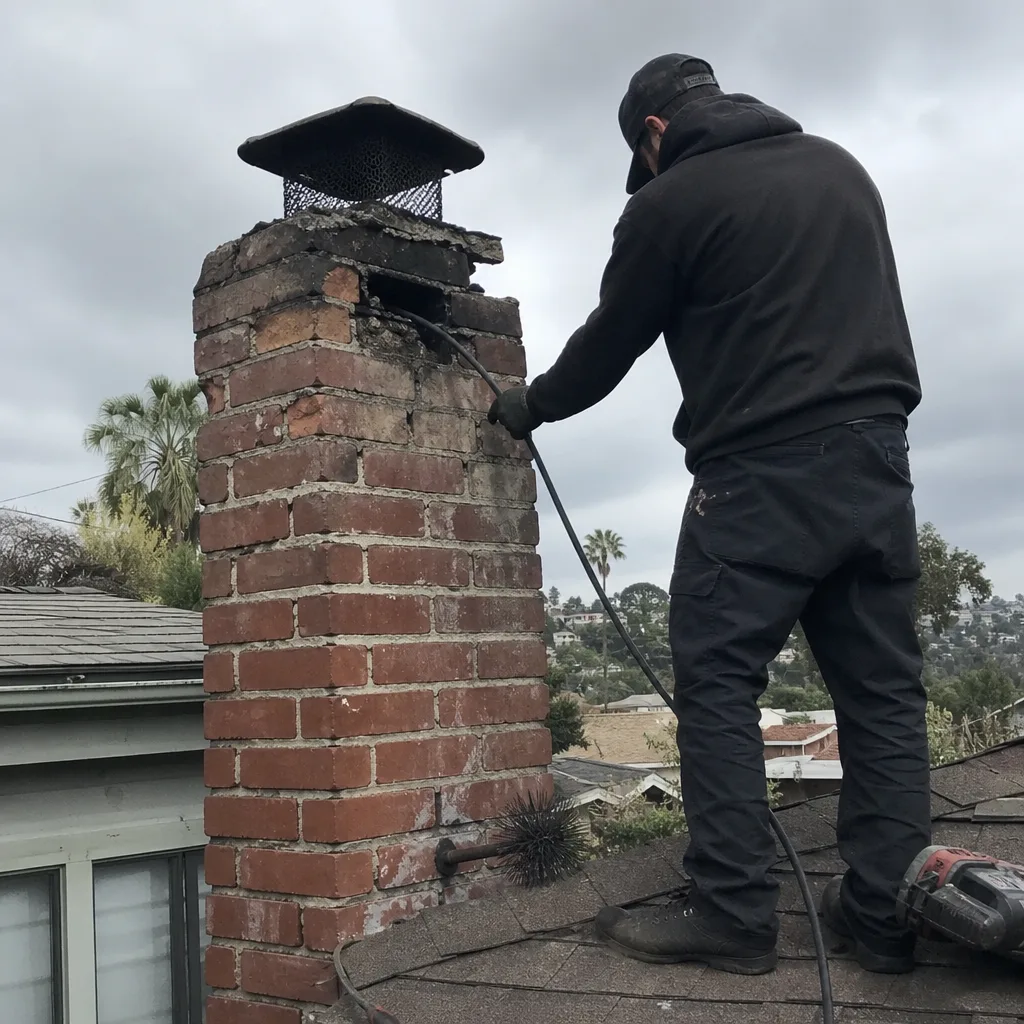 Before
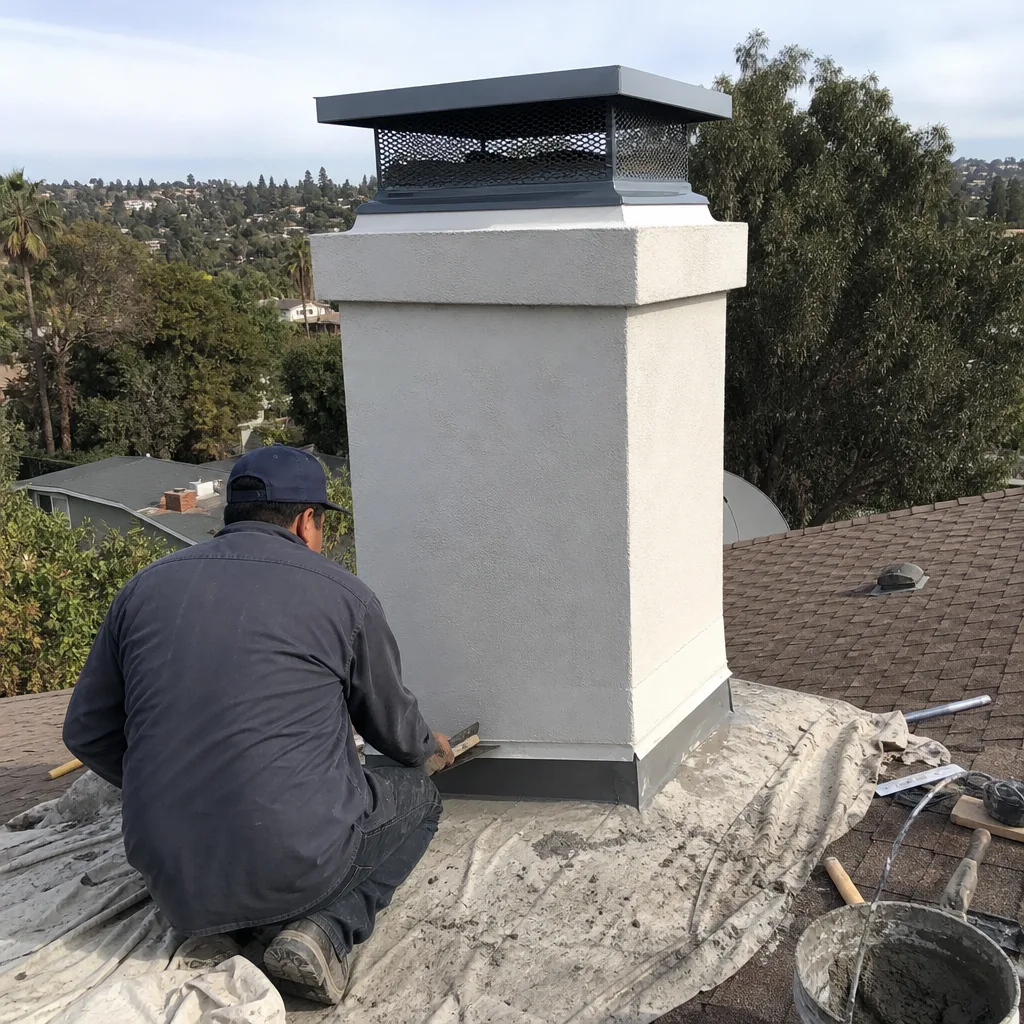 After
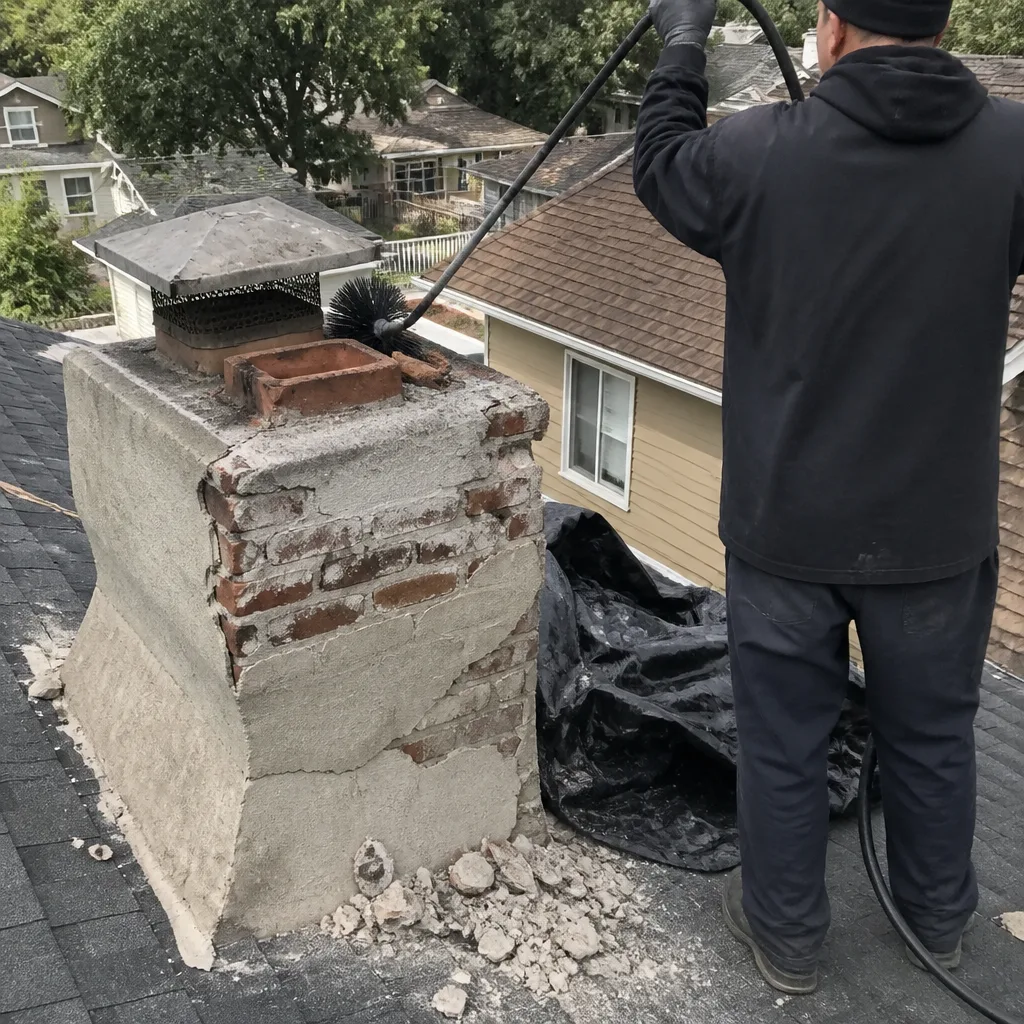 Before
 After
 Before
 After