
Last updated November 2, 2026
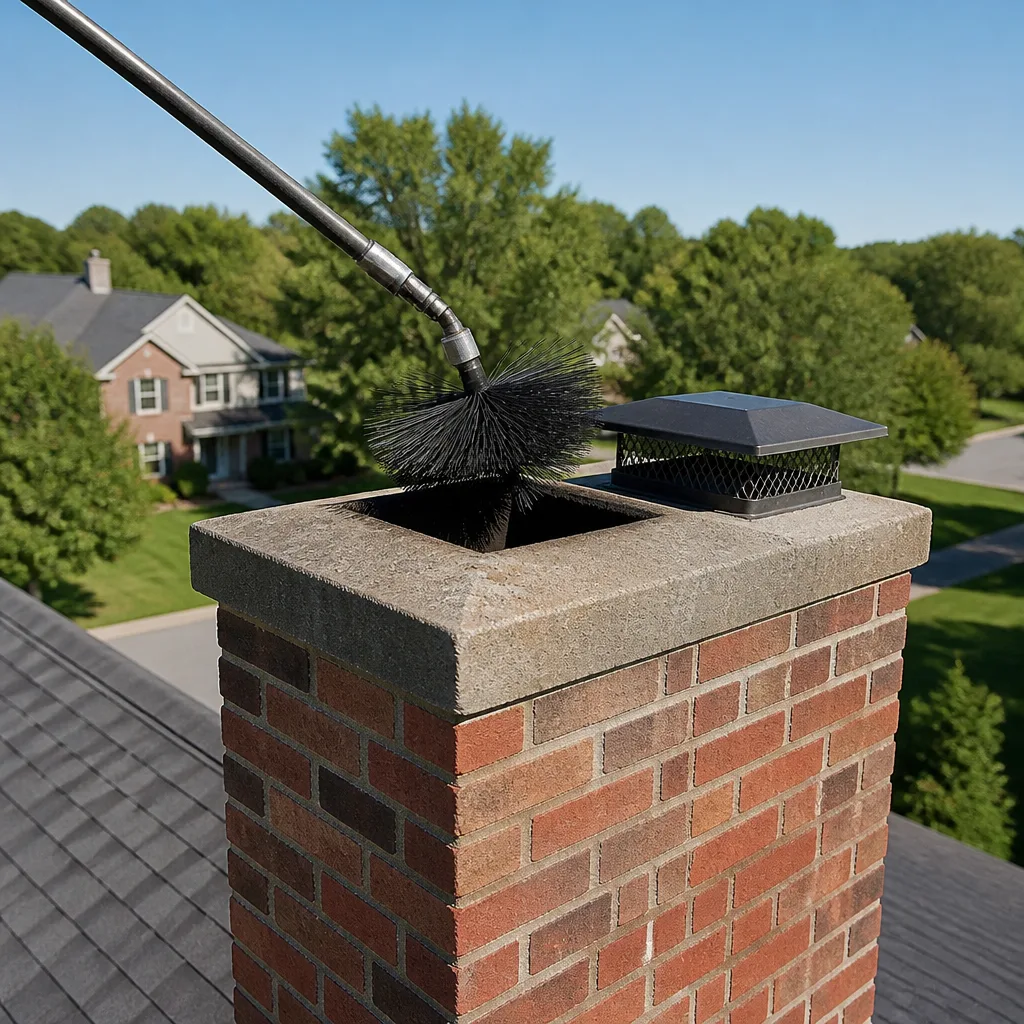 Sweep & inspection
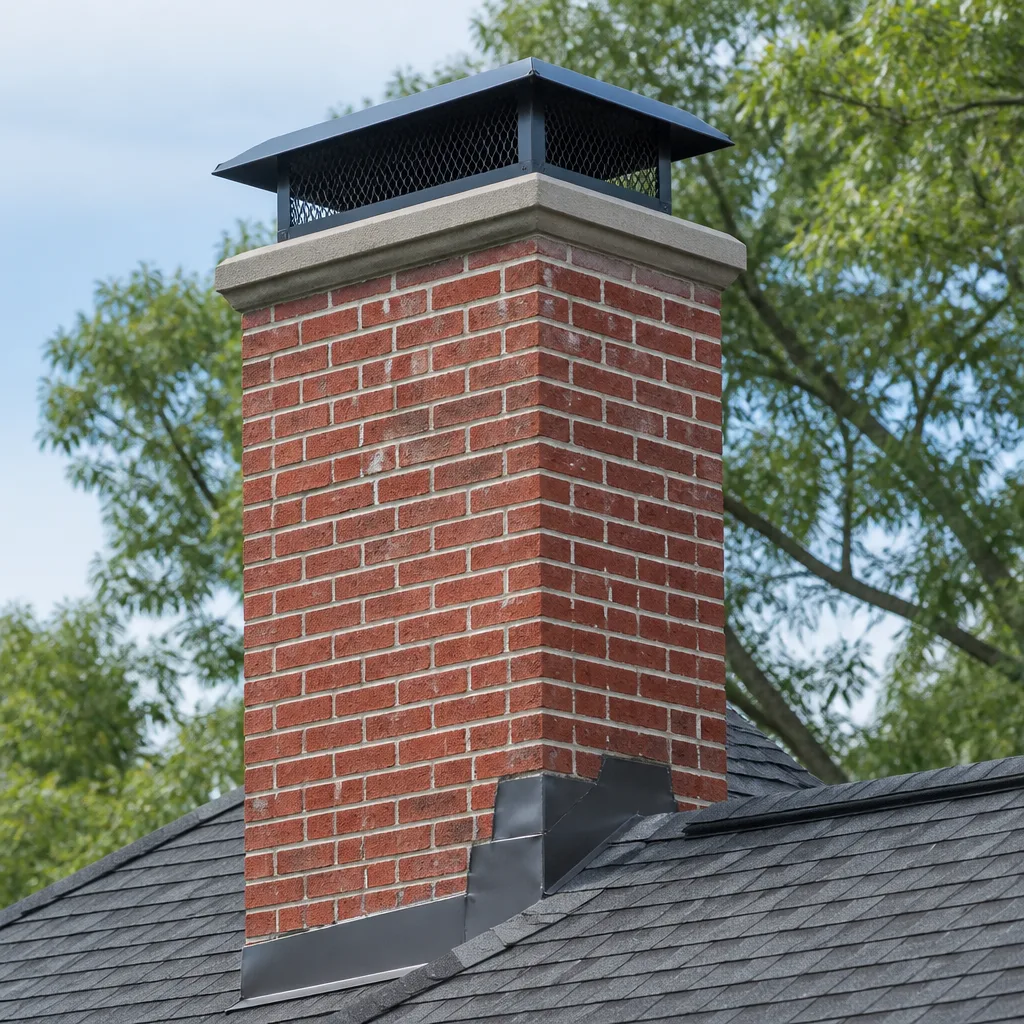 Caps & crowns
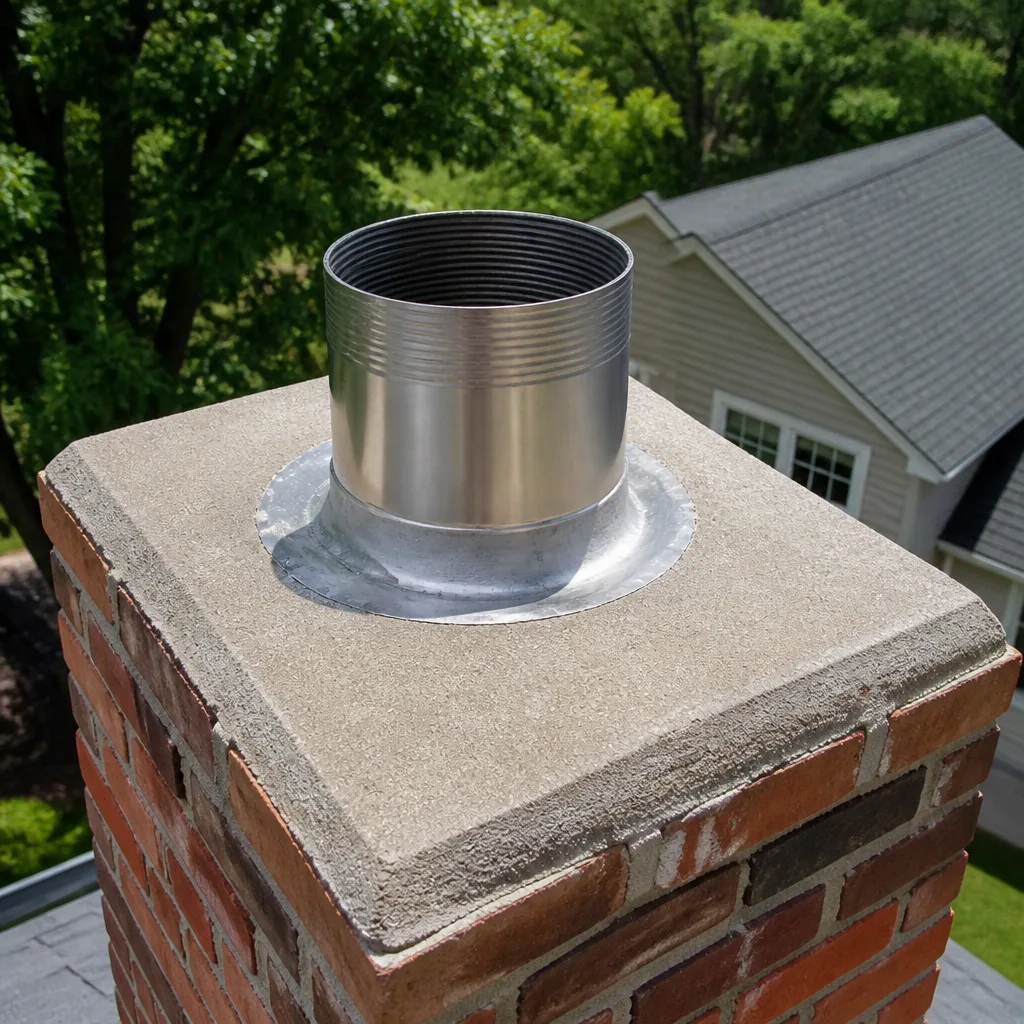 Flue relining
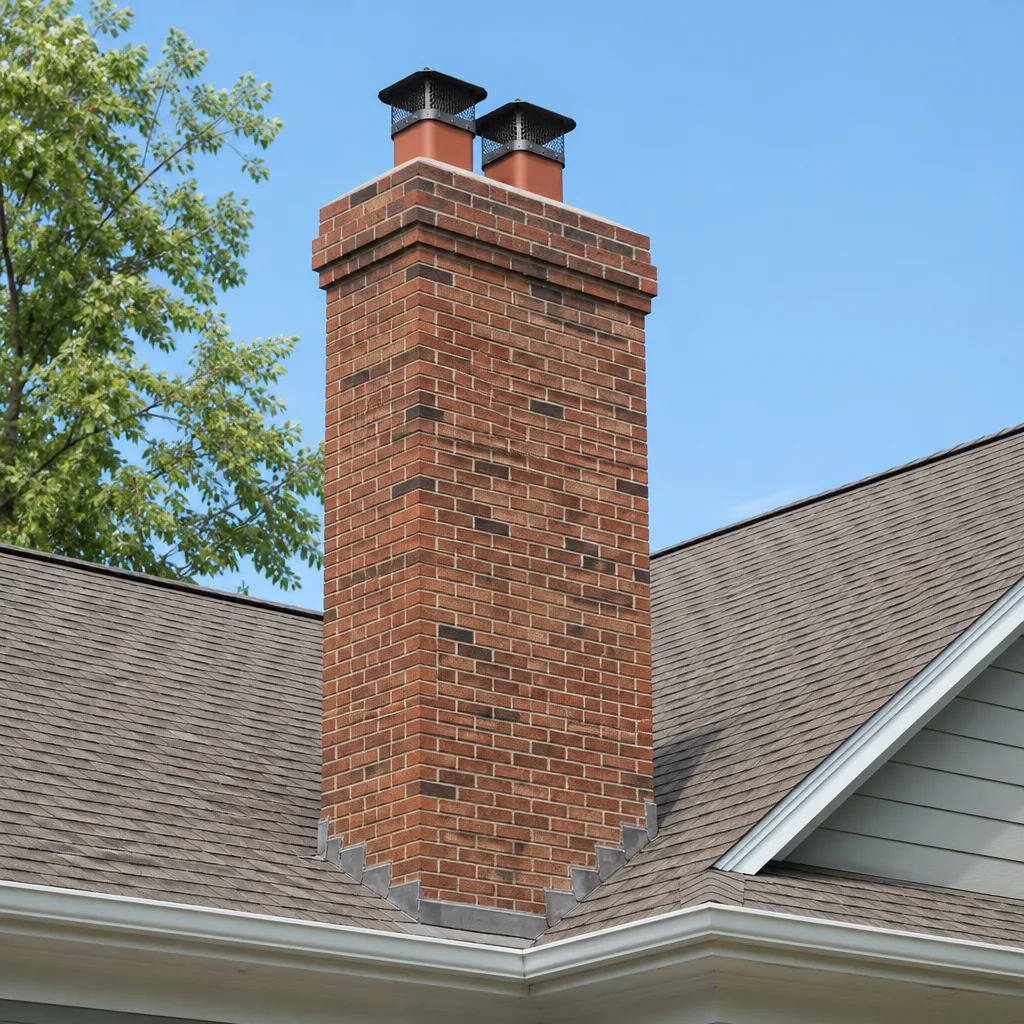 Masonry repair
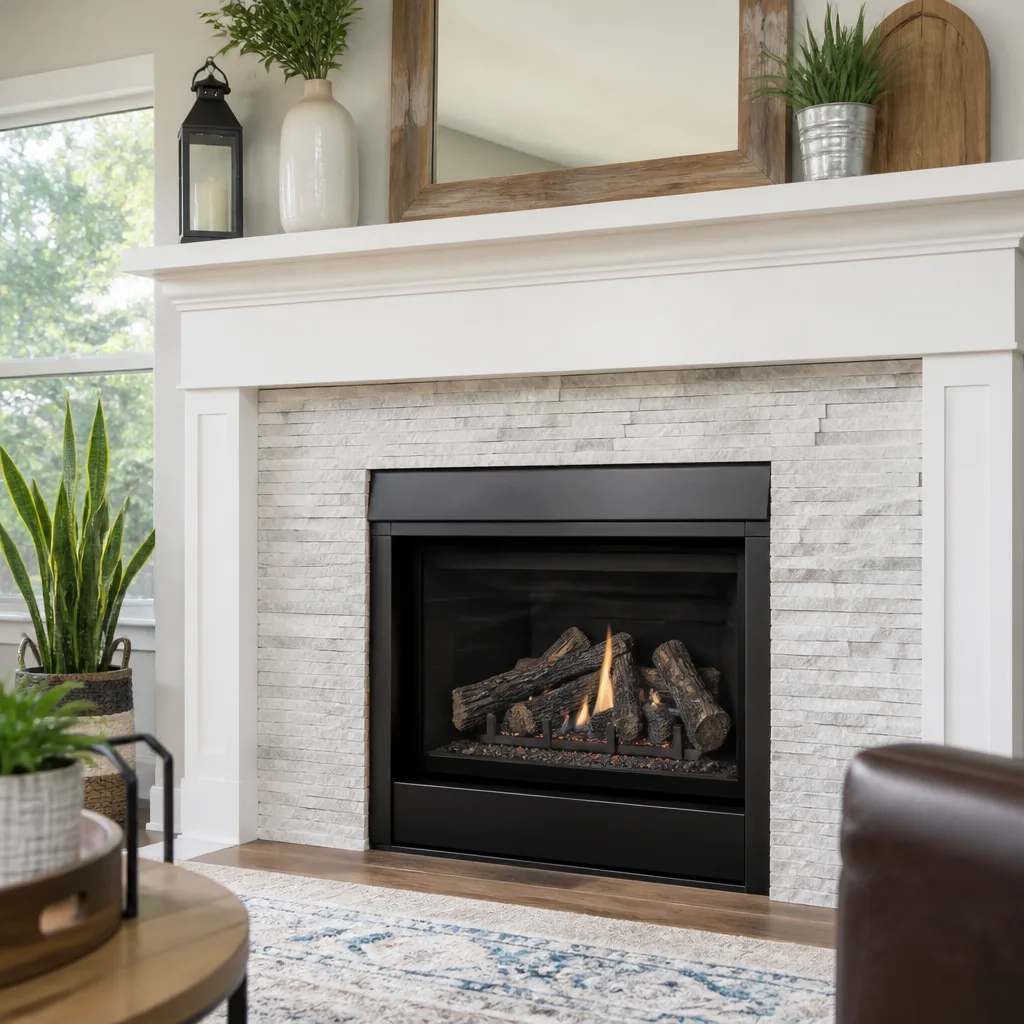 Gas fireplace service
Level 1 sweep and inspection to the NFPA 211 annual standard - flue, crown, cap, and flashing checked and photographed
Chimney sweep logs do not sweep chimneys. They loosen some creosote - which then falls where a brush and vacuum still have to collect it.
Chimney Sweep Maintenance Checklist for Montecito Heights Homeowners
Here’s a number most Montecito Heights homeowners don’t expect: a fireplace used only ten or twelve times per winter can develop creosote buildup faster than one burned nightly in a colder climate. Short, hot fires in mild weather create condensation inside a cool flue. That condensation turns smoke particles into a sticky, acidic glaze that clings to your liner. This guide is built for that reality, not a national template written for Minnesota winters. You’ll learn exactly what to check each season, how your appliance type changes the schedule, and which maintenance tasks you can safely handle versus which ones need our Chimney Sweep services.
Styles & brands we work with
- Sweep & inspection
- Caps & crowns
- Flue relining
- Masonry repair
- Gas fireplace service
Quick Answer
A chimney maintenance checklist for Montecito Heights homeowners should include a pre-season inspection every fall, a mid-season visual check after every 15 to 20 fires, and a professional sweep at least once per year for wood-burning fireplaces. Homes with gas inserts can stretch that to an 18 to 24 month cadence, but still need an annual visual inspection. The biggest local wildcard is Southern California’s heat-cold-rain cycle, which accelerates mortar and crown deterioration even when you barely use the fireplace.
Table of Contents
- Pre-Season Checklist: Before the First Fall Fire
- Mid-Season Checks You Can Do Without Tools
- Post-Wildfire Event Checklist: When Ambient Smoke Changes the Math
- Gas vs. Wood vs. Pellet: Maintenance Intervals That Actually Apply to You
- Exterior Checklist: Crown, Cap, Flashing, and Mortar
- Safety Signals That Mean Stop Burning Immediately
- Why Your Dryer Vent Belongs on the Same Checklist
- What Professional-Grade Materials Look Like (And Why They Matter)
- Common Mistakes to Avoid
- When to Call a Professional
- Frequently Asked Questions
- The Bottom Line
Pre-Season Checklist: Before the First Fall Fire
In Montecito Heights, the first cool evening usually arrives in late October or early November. Your fireplace has been dormant for six to eight months, and Southern California summers are not passive. Heat expands masonry. The overnight cool-down contracts it. Repeat that a few hundred times and hairline cracks start to form in mortar joints, crowns, and around the damper frame. Meanwhile, birds, rodents, and wasps have had a full season to move in. Before you light that first fire, work through this list:
- Look up the flue with a flashlight. You’re checking for visible obstructions: nests, leaves, debris, or anything that shouldn’t be there. If you see nesting material, do not burn it out. Bird nests are often woven with synthetic fibers that burn hot and can ignite creosote further up the flue. Call for a professional removal.
- Open the damper fully and confirm it stays open. A damper that’s stiff, rusted, or partially seized is a carbon monoxide risk. It should move freely and lock into the open position without being held.
- Check the firebox for cracked or missing refractory panels. In a prefab fireplace, these panels protect the metal shell from direct flame. A crack wider than a quarter-inch needs attention before you burn.
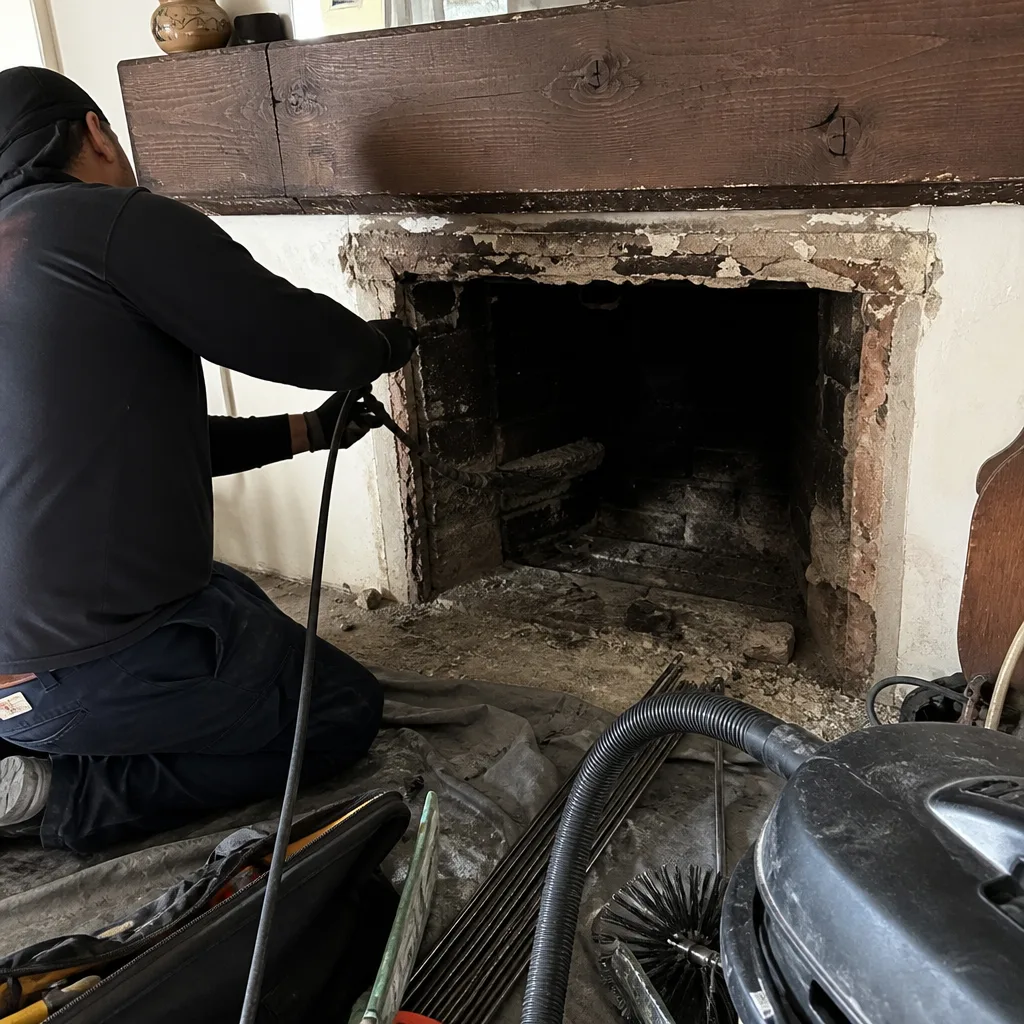
- Shine a light on the smoke shelf. That’s the flat area just above the damper. It catches falling creosote and debris. If you see a thick, flaky layer of black material, that’s a sign your flue is carrying more creosote than normal.
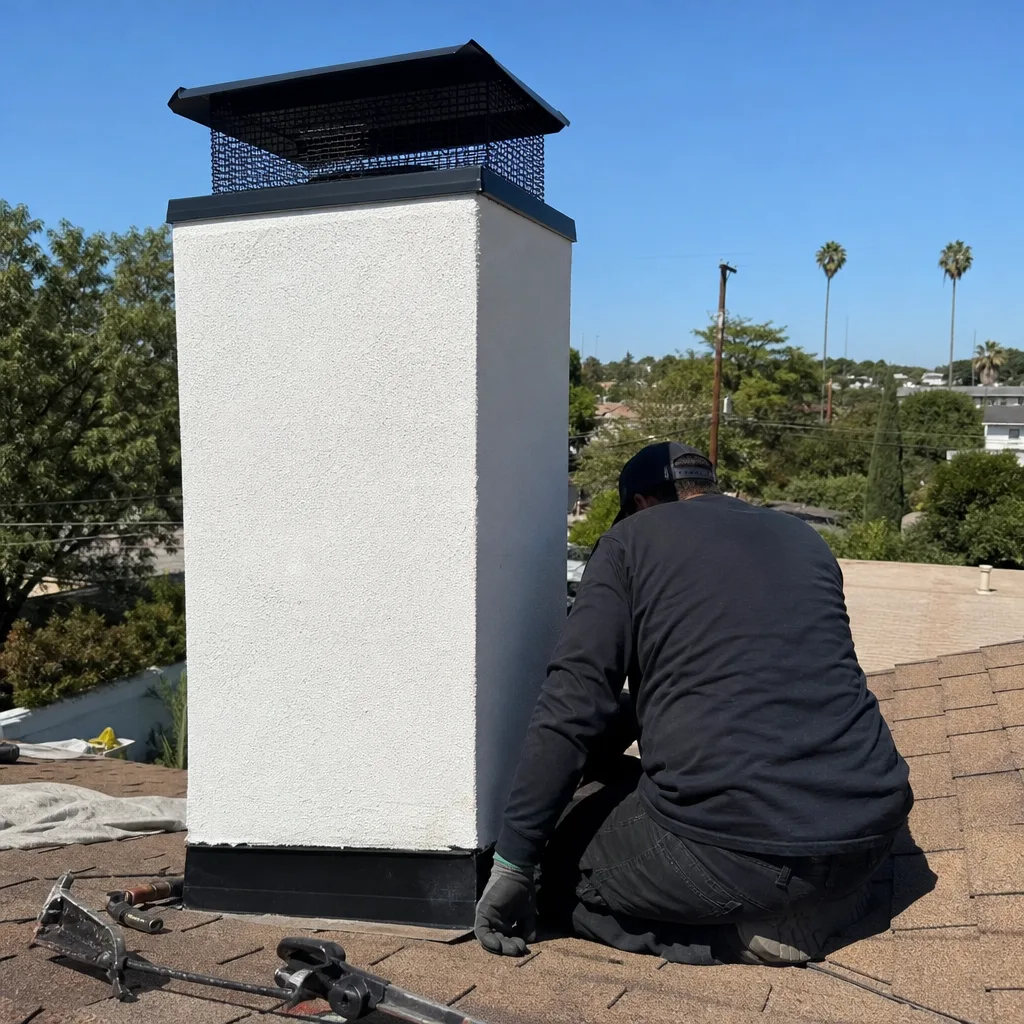
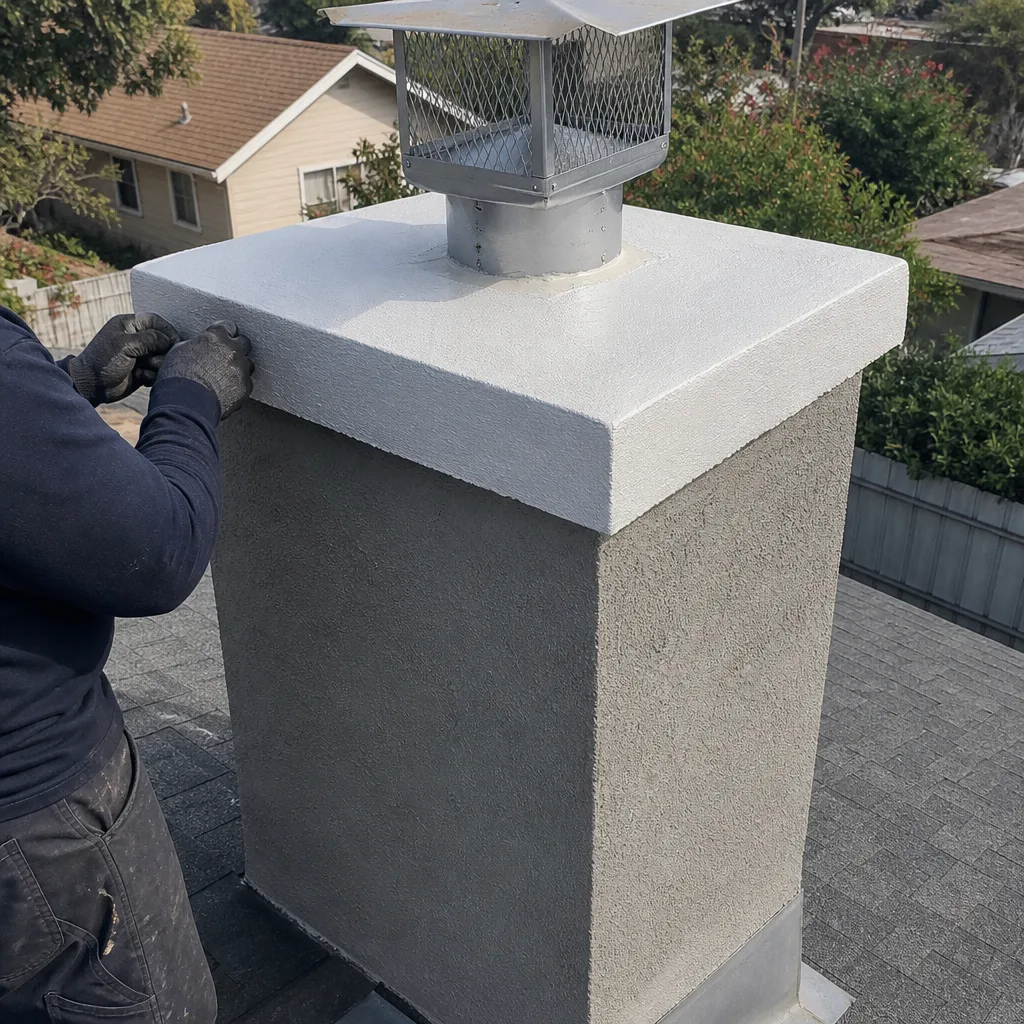
- Step outside and look at the cap and crown. The crown is the concrete slab at the top of the chimney. It should be slightly beveled so water runs off, not pools. Cracks in the crown let water seep into the chimney structure, and in Los Angeles, water intrusion followed by heat expansion is how minor cracks become major spalling.
- Schedule the professional sweep. Even if everything looks clean, a wood-burning chimney used regularly through winter should be swept and inspected annually. In our experience, the pre-season sweep catches what a flashlight from below can’t: hidden creosote glaze, a cracked flue tile halfway up, or a disconnected liner joint.
This is also the right time to check the chimney sweep services available in Montecito Heights so you understand what a professional inspection includes before you book one.
Mid-Season Checks You Can Do Without Tools
Between professional visits, your own senses are a reliable maintenance tool. The fireplace tells you when something changes. Here are the mid-season indicators we tell every Montecito Heights homeowner to watch for, drawn from our Chimney Sweep Troubleshooting: Common Problems and How to Fix Them:
- Draft feel. With the damper open and a fire just getting started, you should feel air being pulled into the fireplace. Hold a lit match near the opening, not inside: the flame should lean toward the firebox. If it leans away, your draft has reversed. Cold air in the flue, negative pressure from a running bathroom fan, or a partially blocked chimney can all cause it.
- Smoke rollout. When you open the doors or screen during a fire, a small, brief puff is normal on some designs. But if smoke billows into the room every time you add a log, or if the room smells smoky long after the fire’s out, something’s wrong. Common causes in Montecito Heights homes: a clogged chimney cap screen, a damper that doesn’t fully open, or creosote buildup reducing the flue’s draw.
- Odor. On a humid day or after a rain, a strong campfire smell coming from the fireplace usually means creosote is present in significant quantity. Humidity makes creosote release its odor. If you notice it, that’s a signal to schedule a sweep sooner rather than later.
- Odd sounds. A fireplace that whistles, a popping sound from the chimney during heating, or a damper that creaks loudly with temperature change all warrant attention. Whistling often indicates airflow restriction; popping can mean creosote igniting in small, harmless amounts, which is still a warning sign.
- Visible buildup. After every 10 to 15 fires, do the flashlight check again. Creosote forms in three stages: dusty soot, flaky black crust, and hard glazed tar. Stage one brushes off. Stage two is when most chimney fires start. Stage three requires chemical treatment or mechanical removal, and sometimes a liner replacement if it’s been allowed to persist.
None of these checks require climbing onto your roof or touching a tool. They take less than a minute, and they’ll catch problems months before they become repair bills.
Post-Wildfire Event Checklist: When Ambient Smoke Changes the Math
Montecito Heights sits close enough to wildland areas that regional wildfire smoke is a recurring seasonal reality. When smoke settles over Los Angeles for days, it doesn’t just irritate your lungs. It deposits fine particulate inside your chimney, on your spark arrestor screen, and in your dryer vent’s exterior termination point. Here’s the post-wildfire checklist:
- Wait for the air to clear, then inspect your chimney cap screen. Wildfire ash is finer than normal fireplace ash. It clings to mesh screens and reduces airflow. In some cases, embers from a nearby fire can be carried for miles and lodge in a screen or, worse, in a cool flue.
- Check your exterior vent terminations. If ash settled on your landscaping or car, it settled on your chimney crown and your dryer vent hood too. A fine layer of ash on a dryer vent’s flapper can prevent it from sealing properly, which is an invitation for rodents and outside air.
- Schedule an inspection before your next fire if the wildfire was close. Close means within two to three miles. Intense heat from a nearby fire can stress masonry, and heavy smoke can coat the flue with a sticky, resinous layer you won’t see from the ground.
- Change your HVAC filter. Not a chimney item, but it’s on the same air-quality checklist every Montecito Heights homeowner should follow after a smoke event.
In our experience, the weeks after a heavy wildfire season bring a measurable uptick in chimney inspections and dryer vent cleaning calls in Montecito Heights. The residents who schedule early find their systems need less remediation than those who wait until fall.
Gas vs. Wood vs. Pellet: Maintenance Intervals That Actually Apply to You
Most national maintenance checklists assume one fireplace burning cordwood every night from October to March. That’s not Montecito Heights. You might have a wood-burning fireplace used for ambiance on the ten coldest evenings, a gas insert that runs regularly through winter, and perhaps a pellet stove in a converted garage or ADU. Each has its own clock:
Wood-Burning Fireplace or Stove
Sweep once per year, minimum. The CSIA recommendation stands even for light use, because creosote forms from temperature fluctuation, not just burn frequency. Inspect the firebox and damper each fall. Check the spark arrestor screen twice a year. If you burn more than a cord of wood annually, or if you burn soft woods like pine, schedule a mid-winter sweep.
Gas Fireplace or Insert
Every 18 to 24 months for a full service, but inspect annually. Gas appliances don’t produce creosote, but they do produce sulfur byproducts that can corrode the flue liner, clog burner ports with dust, and cause the pilot light to burn inefficiently. Montecito Heights dust is a real factor: bone-dry air and hillside breezes push fine particulate into the burner assembly. If you notice soot on the glass, a lazy yellow flame instead of a crisp blue-orange one, or a gas smell at startup, service the unit before using it again.
Pellet Stove
Every ton of pellets burned, or annually, whichever comes first. Pellet stoves require more frequent cleaning than any other appliance. The ash pan, burn pot, and heat exchanger tubes need attention every few weeks of active use. A pellet stove that isn’t cleaned regularly burns inefficiently and can overheat its venting. The good news: pellet venting is simpler to maintain than a masonry chimney, but the discipline required is higher.
The mistake we see most often in multi-appliance Montecito Heights homes is treating all three on the wood-burning schedule. A gas insert doesn’t need annual sweeping, and a pellet stove that waits a full year between cleanings is a house fire risk. If you own more than one type of appliance, Ironwood Chimney Sweep can establish a maintenance calendar that tracks each one separately.
Exterior Checklist: Crown, Cap, Flashing, and Mortar
Most homeowners only think about chimney maintenance from the inside. But in Montecito Heights, the exterior is where the damage starts. The city’s heat-cold-rain cycle is a slow-motion attack on masonry: daytime sun bakes the concrete crown, the temperature drops twenty degrees after dark, and winter rain seeps into every micro-crack. Freeze-thaw isn’t the issue here the way it is in the Midwest, but repeated wet-dry cycles are. Here’s what to check, ideally twice a year:
- The chimney crown. The top surface should slope gently away from the flue. If it’s flat, cracked, or crumbling, water pools and penetrates. Crown repair is one of the most common services we perform in Montecito Heights, and it’s almost always cheaper than repairing the water damage that follows.
- The chimney cap and spark arrestor. The screen should be intact, not rusted through or clogged with debris. A missing cap isn’t just a rain problem: it’s an open invitation for birds, squirrels, and roof rats, all of which are active in the hillside neighborhoods around Montecito Heights.
- Flashing. The metal where the chimney meets the roofline. Look for lifted edges, rust, or missing sealant. Water that gets past flashing travels down inside the roof assembly and shows up as ceiling stains far from the actual source.
- Mortar joints. Run your eyes down the masonry from top to bottom. Joints should be full and flush. Eroded or missing mortar, called spalling, lets water into the brick itself. In older Montecito Heights homes with original masonry, this is the most common finding on an inspection.
- Efflorescence. A white, chalky residue on the chimney exterior. It means water is moving through the masonry and depositing salts on the surface. It’s a warning sign, not a cosmetic issue.
If you’re not comfortable getting on a ladder, the exterior check is something a professional should do. Most chimney repair estimates in Montecito Heights include a full exterior assessment as part of the evaluation.
Safety Signals That Mean Stop Burning Immediately
Some maintenance findings are routine. A few demand that you stop using the fireplace until a professional has assessed it. In twenty years of working on Montecito Heights chimneys, these are the signals that outweigh any other consideration:
- A strong, persistent smoky odor when the fireplace is not in use. Particularly on humid days. This almost always means creosote buildup significant enough to warrant immediate attention.
- Visible smoke leaking through the brickwork or mortar joints. Your chimney should be a sealed pathway. If smoke exits through the side of the structure, the flue is compromised.
- A crack that has appeared since the last inspection. In the firebox, on the exterior, or in the attic chase. Cracks are how fire escapes the flue.
- A loud roaring sound from the chimney during a fire. This is the sound of a chimney fire in progress. Close the damper if you can do so safely, evacuate, and call 911. Afterward, the chimney requires a full inspection before it can be used again.
- White staining on the chimney exterior that wasn’t there before. As noted above, that’s water moving through the masonry. But new white staining after a wet winter means active water intrusion that needs prompt repair, not a note on next year’s checklist.
Carbon monoxide deserves a special mention. The odorless gas is the reason every home with a fireplace, gas appliance, or attached garage needs working CO detectors on each floor and near sleeping areas. Test them every six months. A blocked or inefficiently drafting chimney is a CO risk even when the fire looks fine.
Why Your Dryer Vent Belongs on the Same Checklist
Here’s the blind spot on almost every chimney maintenance checklist: the dryer vent. Your home’s dryer exhaust system runs through a duct that accumulates lint the same way a chimney accumulates creosote. And according to the National Fire Protection Association, clothes dryers are a leading cause of house fires. The failure mode is identical: a hidden exhaust pathway fills with flammable material, airflow drops, and the heat has nowhere to go.
In Montecito Heights, dryer vents run through crawlspaces, attics, or long horizontal runs through walls to reach an exterior vent. Every foot of that run collects lint. If you notice your dryer taking longer than normal to dry clothes, the exterior vent flap not opening when the dryer runs, or a burning smell in the laundry room, your dryer vent is telling you it’s time. The same seasonal logic applies: check it when you check your chimney. One call covers both.
This is worth repeating: your fireplace and your dryer vent are both fire hazards, and they both need the same kind of attention. We hear from homeowners who’ve never connected the two, and that’s exactly why we include dryer vent cleaning in Montecito Heights as a core service alongside chimney sweeping.
What Professional-Grade Materials Look Like (And Why They Matter)
When a chimney has real problems, the solution isn’t a patch. It’s a material decision. The difference between a repair that lasts twenty years and one that fails in five comes down to what’s installed. This is where we hold a hard line: we spec the right liner or resurfacing system for your flue, not the cheapest option that fits.
For a damaged flue liner, the two main options are a stainless steel liner system or a resurfacing treatment. We use DuraFlex liner systems when a full replacement is warranted, and HeatShield resurfacing when the original clay tiles can be restored. Both are purpose-built for the job, not improvised from general-purpose materials. On the exterior, a replacement chimney cap should be a Copperfield or Olympia Chimney product, with a properly fitted spark arrestor screen. The cap is the first line of defense against water, pests, and ember escape.
If you’re getting quotes, ask what materials the contractor intends to use. A professional will tell you the brand and why they chose it. A handyman will say “whatever fits.” Professional-grade materials, every job.
For dryer vent systems, the same standard applies. We use Famco components when a vent needs repair or re-termination. It’s a small detail, but the quality of the vent hood and the duct connection determines how well the system resists lint buildup, pest intrusion, and moisture damage.
Common Mistakes to Avoid
- Skipping the inspection because you “only use the fireplace a few times a year.” Creosote doesn’t care about your usage frequency. In a mild climate, short fires on a cool flue produce condensation-heavy smoke, which leaves a thicker deposit than long, hot fires. If using it a few times a year, you still need one annual sweep.
- Burning whatever wood is cheapest. Soft woods like pine and eucalyptus burn fast and produce heavy creosote. In Montecito Heights, eucalyptus is everywhere after a storm, and homeowners are tempted to burn it. It sparks heavily and coats the flue quickly. Burn seasoned hardwood, and if you’re not sure what’s seasoned, ask before you buy.
- Closing the damper too early after a fire. The damper should stay open until the embers are completely out, not just until the flames stop. Closing it early traps carbon monoxide and pushes residual smoke into the room.
- Ignoring the exterior checklist because “it looks fine from the street.” The crown and flashing aren’t visible from ground level at a casual glance. The damage that matters is almost always on the roof side. Inspect it twice a year or pay someone to.
- Using a chimney sweeping log instead of a professional sweep. Chemical logs reduce some creosote, but they don’t remove it, and they don’t inspect anything. They give the illusion of maintenance without the actual maintenance. The worst thing we see is homeowners who’ve used a sweep log for three years and believe their chimney is clean.
- Forgetting that a gas chimney is still a chimney. Gas fireplaces don’t produce creosote, but they do produce corrosion and they do get blocked by nests. A gas appliance’s flue needs inspection just as regularly, just for different reasons.
- Treating the dryer vent as an afterthought. A clogged dryer vent is a house fire waiting to happen, and it’s the easiest hazard in your home to eliminate. If you haven’t had it cleaned in two years, schedule it this month.
When to Call a Professional
You can handle a flashlight inspection, a damper check, and a visual scan of the firebox. Everything else, you should leave to someone who does it daily. Call a chimney professional when you see cracked or missing mortar, when the damper won’t move freely, when you notice smoke in the room during use, when the chimney shows white staining or water damage, or when you simply haven’t had a sweep in more than a year. The rule we recommend is simple: inspect twice a year, sweep once, and call whenever something changes.
Ironwood Chimney Sweep offers free estimates in Montecito Heights. Call (866) 282-3944 to schedule a chimney sweep, repair evaluation, or dryer vent cleaning.
Frequently Asked Questions
A wood-burning chimney should be swept annually, even with light seasonal use. The mild climate and short burn cycles create creosote faster than long, cold-weather fires. Gas fireplaces need a professional inspection every 12 to 18 months. If you’re not sure what your fireplace needs, call (866) 282-3944 for a free assessment.
A proper chimney sweep includes mechanical brushing of the flue, removal of creosote and debris from the smoke shelf and firebox, a visual inspection of the liner, damper, crown, and cap, and a report on anything that needs repair. It’s not just cleaning: it’s a safety inspection that happens to include cleaning.
You can maintain the firebox and check the damper, but professional-grade sweeping requires tools, training, and roof access. A homeowner can’t remove glazed creosote with a hardware store brush, and they can’t inspect the parts of the flue they can’t see. Professional cleaning in Montecito Heights costs less than the repair you’ll need if a chimney fire occurs. For additional care tips, explore more guides & resources.
Late summer or early fall, before the first fire of the season. In Montecito Heights, that means August through October. Scheduling before the season begins means you’re not competing with the November rush, and any repairs the inspection turns up can be completed before you actually want to use the fireplace. Call (866) 282-3944 in early fall for the best availability.
You’ll know after a camera inspection. Clay tile liners crack from heat stress, water intrusion, and age; a cracked liner allows heat and gases to reach the surrounding structure. If the damage is limited to a few tiles, resurfacing with HeatShield may work. If the liner is extensively damaged, a DuraFlex stainless steel installation is the permanent fix. Without camera evidence, you’re guessing. A professional should be able to show you exactly what the camera sees before recommending any work.
No. Gas fireplaces don’t produce creosote, so they don’t need annual sweeping. But they do need annual inspection of the burner, pilot assembly, and venting, and a full service every 18 to 24 months. The issues are different: corrosion, dust-clogged burners, and blocked venting, which are just as dangerous but easier to miss. If you have both a gas insert and a wood-burning fireplace, their maintenance schedules don’t sync. Track them separately.
The Bottom Line
The best chimney maintenance checklist is the one you’ll actually follow, calibrated to the home you actually live in. For Montecito Heights, that means an annual sweep for wood-burning fireplaces, a 12 to 18 month inspection for gas units, twice-yearly exterior checks, and a dryer vent cleaning on the same seasonal rhythm as your chimney. The climate here degrades masonry differently than a cold-weather market, and the mild winters create creosote just as efficiently, just through a different mechanism. Book the annual sweep before you need it. Watch the warning signals between visits. And if you’re not sure what you’re looking at, call (866) 282-3944 for a free estimate in Montecito Heights.
Written by the team at Ironwood Chimney Sweep, serving Montecito Heights since 2013.
See the difference
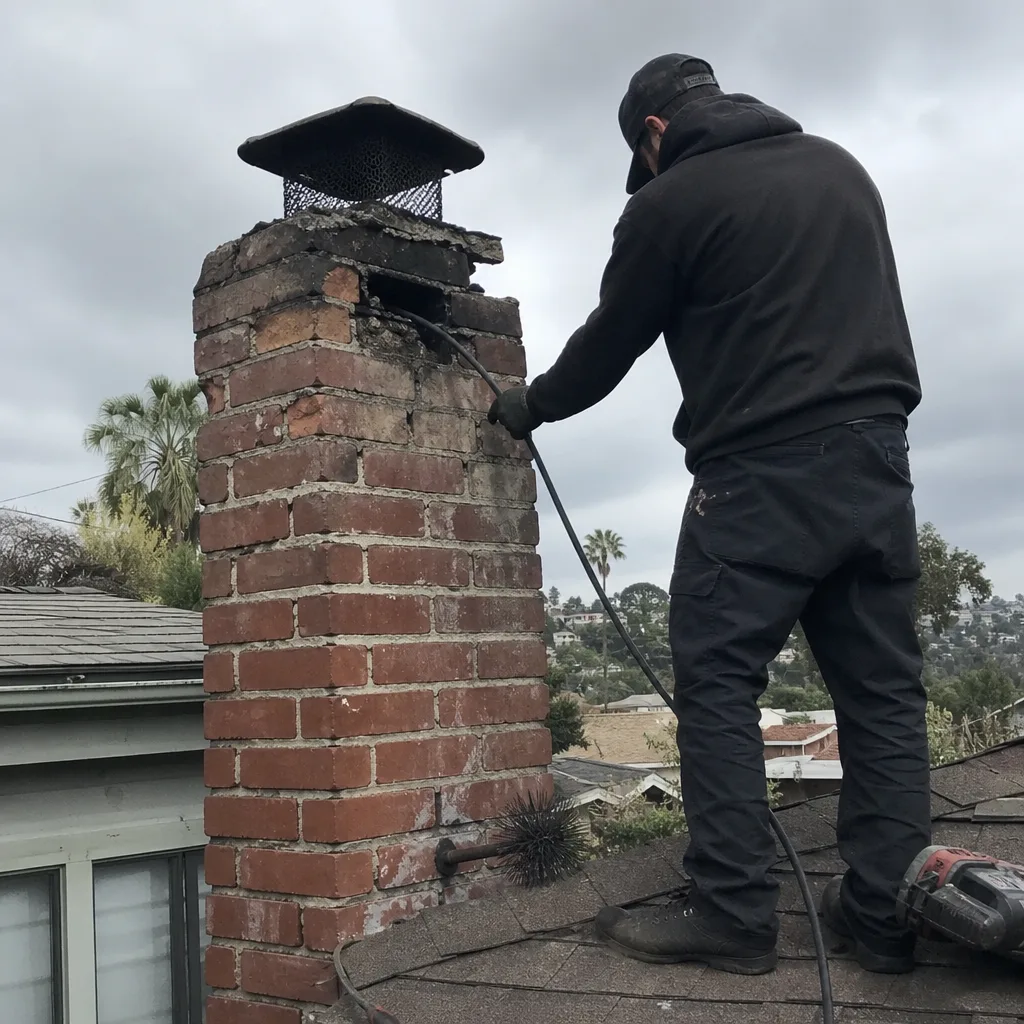 Before
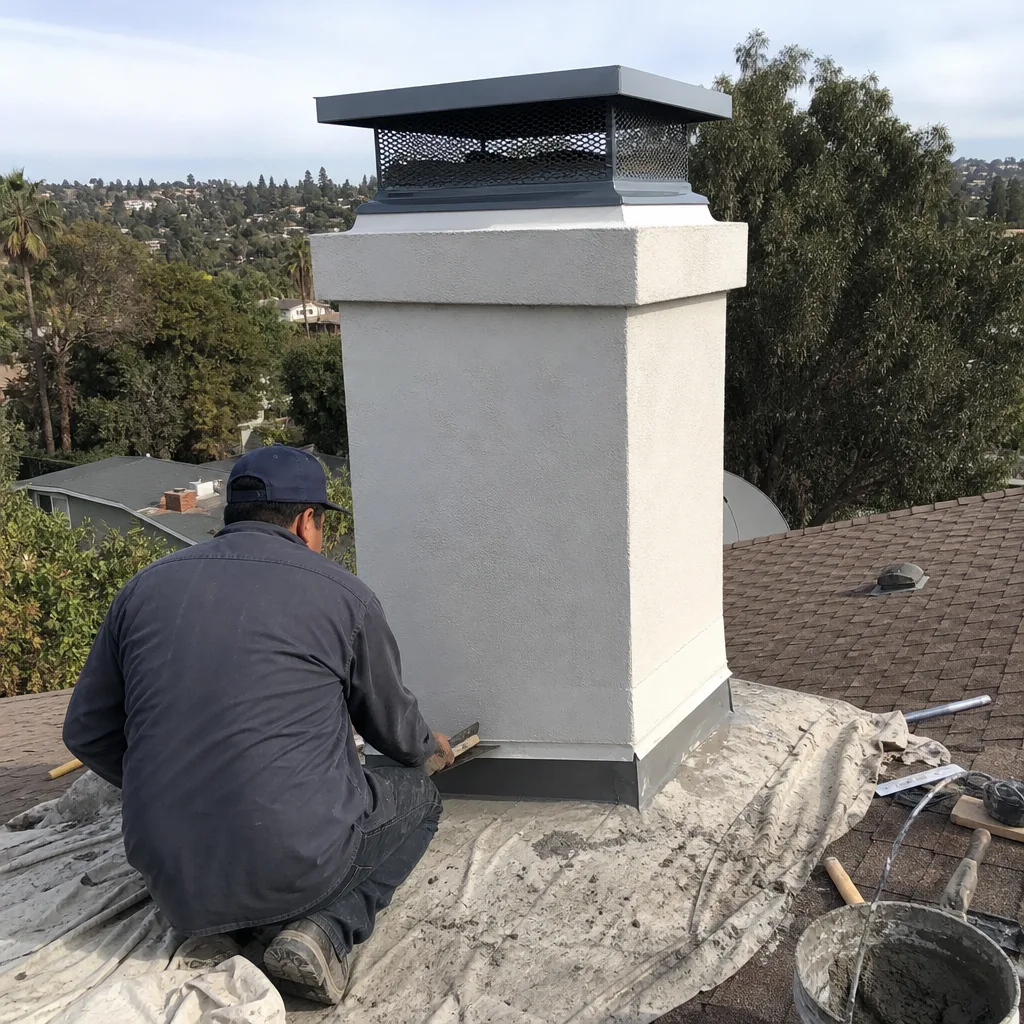 After
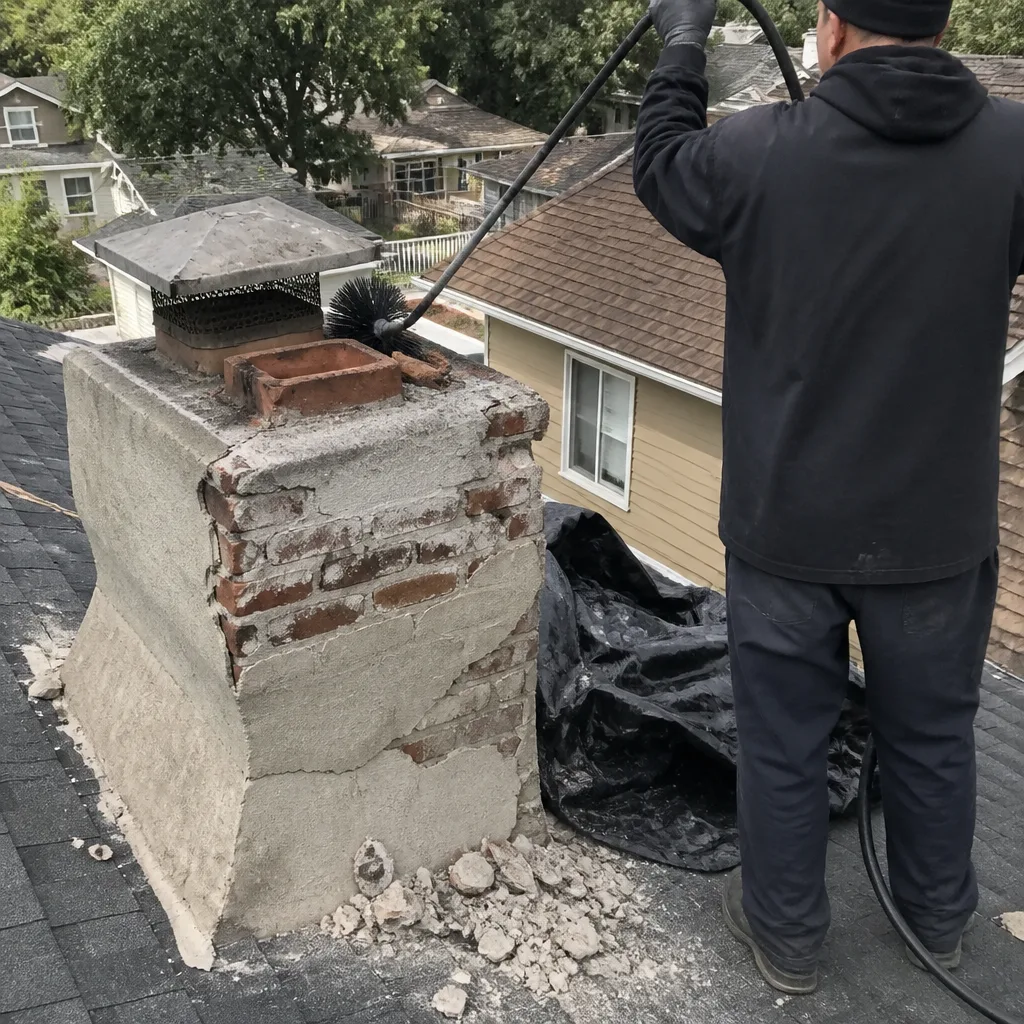 Before
 After
 Before
 After